Daucus carota: Edaphoclimatic Factors and Agronomic Practices for Optimal Cultivation
Analysis of soil conditions, sowing, irrigation, and nutrition for successful carrot (*Daucus carota*) production.

Soil Characteristics and Land Preparation for Daucus carota
The carrot, Daucus carota, is a fundamental root crop in global horticulture, valued for its nutritional contribution and culinary versatility. Its cultivation, while seemingly straightforward, demands a precise understanding of its edaphoclimatic and agronomic needs to ensure optimal root development and a quality harvest. This analysis focuses on essential practices for its successful production, from substrate preparation to harvesting.
The root development of the carrot, a taproot, is directly influenced by the physical and chemical characteristics of the soil. For unimpeded growth, a deep, loose, well-drained substrate free of stones or other obstructions that could cause forking or malformation of the roots is required. A sandy loam soil is ideal, with a pH range slightly acidic to neutral, between 6.0 and 6.8. The incorporation of well-decomposed organic matter, such as compost or worm castings, is crucial for improving soil structure, increasing its moisture retention capacity, and gradually supplying essential nutrients. It is important to avoid fresh manure, as it can induce excessive foliage growth at the expense of the root and attract pests. Adequate land preparation involves plowing or tilling to a depth of at least 30 cm, breaking up clods, and leveling the surface. Variety selection is another determining factor; cultivars such as ‘Nantes’, ‘Danvers’, or ‘Imperator’ are popular for their adaptability to different conditions and their root quality, with ‘Nantes’ being a common choice in home gardens for its cylindrical shape and sweetness.
Sowing, Thinning, and Irrigation Management in Carrot Cultivation
Carrot sowing should be done directly in the final growing location, as transplanting can damage the delicate taproot and affect its development. The seeds are small and require shallow sowing, at a depth of 0.5 to 1 centimeter, with spacing of approximately 2-3 cm between seeds and 20-30 cm between rows. To facilitate distribution, seeds can be mixed with fine sand. After sowing, it is vital to maintain constant soil moisture through gentle, uniform watering to ensure successful germination, which typically occurs between 7 and 21 days. Once seedlings have developed their first true leaves, thinning is essential, leaving a final spacing of 5 to 10 cm between plants, depending on the variety. This practice is critical for each plant to have sufficient space to develop a good-sized root. Subsequent irrigation should be regular and uniform, preferably using drip systems, to avoid moisture fluctuations that can lead to root cracking. The implementation of mulching with straw, dry leaves, or wood chips around the plants helps conserve soil moisture, moderate temperature, and suppress weed growth, reducing competition for nutrients and light. Furthermore, crop rotation is an essential agronomic practice to prevent the accumulation of soil-specific pathogens and optimize fertility. It is recommended not to grow carrots in the same location for at least three years, alternating with legumes or cereals.
Regarding nutrition, carrots have specific requirements. While nitrogen is necessary for foliar development, an excess can promote lush leaf growth at the expense of the root. Potassium is crucial for root thickening and quality, while phosphorus contributes to initial root development. A prior soil analysis can guide the application of balanced organic fertilizers. Integrated pest and disease management is fundamental. Common pests include the carrot rust fly (Psila rosae), aphids, and nematodes. Control strategies include crop rotation, the use of insect-proof netting, and the promotion of natural enemies. Harvesting is done when the roots reach the characteristic size and color of the variety, generally between 70 and 120 days after sowing, depending on climatic conditions and the cultivar. A visual indicator is when the “shoulder” of the carrot begins to emerge from the soil. It is recommended to harvest on a cool day or in the morning, loosening the soil around the roots before gently pulling them to avoid breakage. For storage, carrots can be kept in a cool, humid place, or in the refrigerator, preferably without the foliage to prolong their shelf life. For more information on varieties and their management in the region, resources such as the National Agricultural Technology Institute (INTA) of Argentina can be consulted, which offers detailed guides for small producers and home gardens [https://www.argentina.gob.ar/inta].
Nutritional Requirements, Pest Control, and Harvesting of Carrots
Cultivating carrots in the home garden or on a small scale is a rewarding activity that not only provides a nutritious and versatile food but also fosters a connection with natural cycles. Applying sound agronomic principles, such as proper soil preparation, precise sowing, timely thinning, and consistent irrigation management, are pillars for obtaining excellent quality roots. Attention to these details, along with conscious varietal selection, will allow growers to enjoy fresh, flavorful carrots, cultivated with a sustainable and productive approach.
Considerations for Sustainable Carrot Production
Related Articles
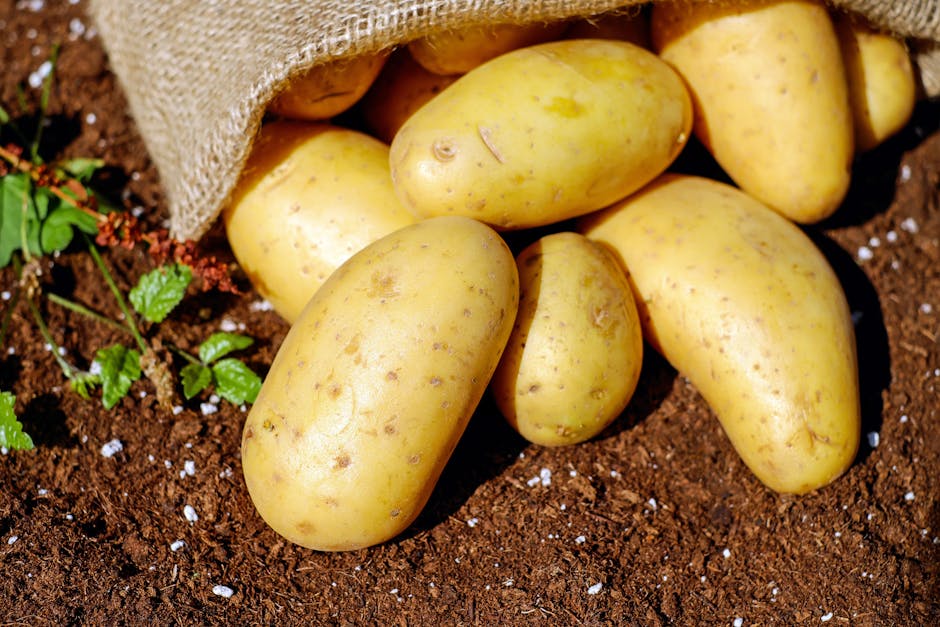
Crop Rotation for Streptomyces scabies Management in Potatoes
Implement crop rotation with cereals, legumes, and brassicas to suppress Streptomyces scabies and improve potato soil health.

Solanum Lycopersicum: Soil Analysis, Genetics, and Agronomic Management for Modern Gardens
Enhance tomato cultivation through soil analysis, genetic selection, propagation, and sustainable water-nutrient management.

Starting Your Garden: Planning, Soil, and Watering for Successful Harvests
A practical guide to creating your garden in Argentina: from sunlight and soil to watering and pest control for fresh home-grown food.

Sustainable Gardening: Design and Techniques for Low-Maintenance, High-Resilience Spaces
Integrate xeriscaping, smart irrigation, and biological control for an aesthetically pleasing, ecologically robust garden with minimal intervention.