Ipomoea batatas: Edaphoclimatic Requirements and Cultivation Techniques for Sustainable Production
Understand the key factors for successful sweet potato cultivation: climate, soil, propagation, nutrition, and phytosanitary management.
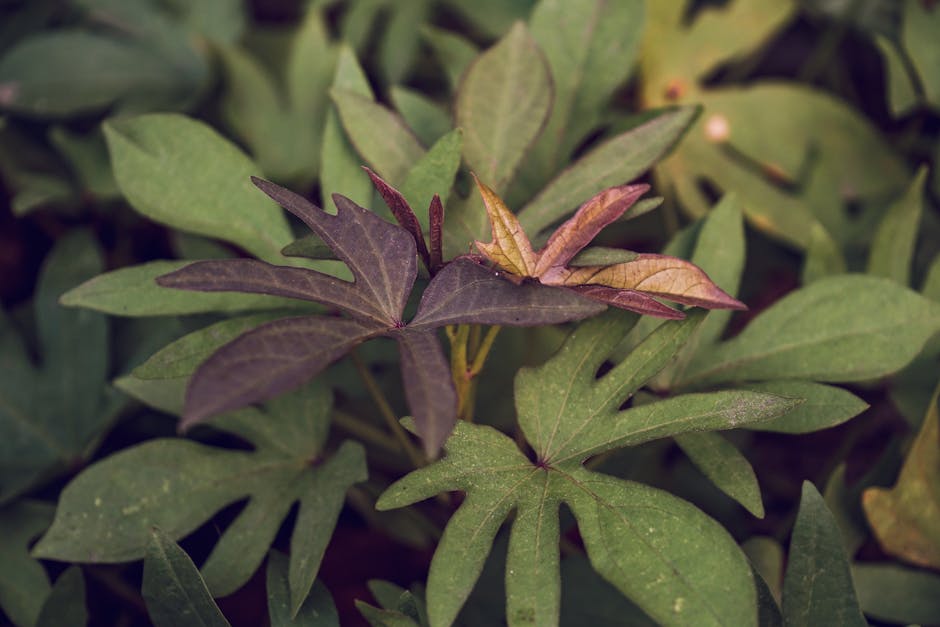
Edaphoclimatic Requirements of Ipomoea batatas
The sweet potato, or batata (Ipomoea batatas), is a crop of great agronomic and nutritional importance globally, valued for its culinary versatility and health properties. Originating from Central and South America, its adaptability to diverse edaphoclimatic conditions makes it an attractive option for growers, both small and large-scale, in regions like Argentina and the rest of Latin America. This tuber, rich in carbohydrates, vitamins (A and C), and minerals, represents a sustainable and high-energy food source. Understanding the fundamental principles of its cultivation is essential for achieving successful and sustainable production.
Ipomoea batatas belongs to the Convolvulaceae family, characterized as a perennial herbaceous plant, although it is cultivated annually. It develops creeping or semi-erect stems that emit adventitious roots capable of generating new plants, and its tuberous roots are the edible part. For optimal development, sweet potato requires a warm climate, with average daytime temperatures above 20°C (68°F). It is sensitive to frost, which limits its winter cultivation in temperate zones. Full sun exposure is crucial; it needs at least 6 to 8 hours of direct sunlight per day.
Regarding soil, it prefers loamy or sandy loam textures, well-drained, and with a slightly acidic to neutral pH (between 5.5 and 7.0). Heavy, clayey soils can hinder tuber development and promote rot. Good drainage is paramount to prevent waterlogging, which is detrimental to the root system. Incorporating organic matter improves soil structure, moisture retention, and nutrient availability. For more details on soil properties, specialized information can be found at Infojardin.com.
Propagation and Planting of Sweet Potatoes
Sweet potato propagation is commonly done from cuttings or “slips” obtained from sprouted mature tubers. This process ensures genetic and sanitary uniformity of the planting material. Tubers can be germinated in a moist, warm substrate until they produce sprouts about 15-20 cm (6-8 inches) long. These sprouts are cut and rooted in water or directly in the soil. For detailed propagation techniques, resources from INTA offer comprehensive guides.
Direct planting of slips in the field is done when soil temperatures exceed 18°C (64°F) and there is no risk of frost. Planting density varies, but a spacing of 30-45 cm (12-18 inches) between plants and 90-120 cm (3-4 feet) between rows is common, allowing for adequate tuber development and vine management.
Irrigation is fundamental during the first few weeks after planting and during the tuber thickening stages. A drip irrigation system is highly efficient, optimizing water use and minimizing the proliferation of foliar diseases. Although sweet potato is drought-tolerant once established, it responds positively to a consistent and well-managed water supply. Regarding nutrition, while not excessively demanding, a prior soil analysis is recommended. A balance of nitrogen, phosphorus, and potassium is necessary. Phosphorus is crucial for root development, and potassium for tuber thickening. Organic fertilization with mature compost or worm castings during soil preparation provides slow-release nutrients and improves structure.
Water and Nutrient Management of the Crop
Integrated Pest Management (IPM) is the most effective strategy for sweet potato cultivation. Common pests include the sweet potato weevil (Cylas formicarius), which attacks tubers, and various lepidopteran larvae that affect foliage. Constant monitoring, crop rotation, removal of harvest residues, and the use of pheromone traps are key preventive measures. For diseases, soft rot and various viruses can impact production. Selecting certified, resistant planting material, along with good drainage, are fundamental. To delve deeper into IPM strategies, platforms like La Huertina de Toni provide practical advice.
Harvesting is generally done between 90 and 150 days after planting, depending on the variety and climatic conditions. An indicator of maturity is the yellowing of the lower leaves. It is crucial to harvest carefully to avoid mechanical damage to the tubers, which could compromise their quality and shelf life. Harvesting is recommended on dry days. After harvest, a curing process is beneficial to extend the shelf life of sweet potatoes. This involves maintaining the tubers at a temperature of 29-32°C (84-90°F) and a relative humidity of 85-90% for 5-10 days. This process heals wounds and thickens the skin, improving storage resistance. Subsequently, they are stored in a cool, dark, and well-ventilated place.
Sweet potato cultivation offers a rewarding opportunity for growers, combining global nutritional demand with relative ease of management. From understanding its edaphoclimatic requirements to implementing appropriate propagation practices, efficient water and nutrient management, and applying IPM strategies, each stage contributes to harvest success. Careful planning and constant observation of the crop are the pillars for obtaining high-quality tubers and ensuring sustainable production, enriching both the diet and the land.
Protection and Harvest Strategies for Sweet Potatoes
Related Articles
Tomato Downy Mildew: Integrated Management & Control
Covers identification of downy mildew pathogens, preventive cultural strategies, and biological and chemical phytosanitary control methods for tomatoes.
Hail Damage Mitigation in Agriculture: Preventive and Reactive Strategies
Location assessment, resistant cultivar selection, protective netting, and post-event management for agricultural resilience against hailstorms.

Hummingbird Attraction and Conservation Gardening Strategies
Native botanical selection, landscape design, and sustainable management create hummingbird sanctuaries, promoting biodiversity and pollinators.

Pequi Propagation & Agronomic Adaptation in New Environments
Establishing pequi outside its native habitat: soil-climatic requirements, propagation methods, and management for successful cultivation.