Fragaria × ananassa on Balconies: Botanical and Agronomic Principles for Urban Cultivation
Scientific guide to growing strawberries in small spaces, covering varietal selection, substrate, irrigation, and plant health management.

Varietal Selection and Light Requirements for Fragaria × ananassa
The possibility of cultivating fresh fruit in urban environments, particularly on balconies and terraces, represents a growing trend in domestic horticulture. Among the most rewarding options is growing strawberries (Fragaria × ananassa), a species that, with proper management, can thrive in confined spaces, offering sweet and nutritious fruits. This article explores the essential botanical and agronomic principles for establishing a successful balcony strawberry cultivation, from varietal selection to harvesting practices, adapting techniques for the context of North America and other English-speaking regions.
The strawberry is a perennial herbaceous plant belonging to the Rosaceae family. Its life cycle is characterized by the production of stolons, creeping stems that generate new plantlets, and the formation of inflorescences that develop into fruits. For balcony cultivation, variety choice is crucial. “Everbearing” or “day-neutral” varieties are particularly suitable, as they flower and fruit continuously throughout the growing season, unlike “short-day” varieties that produce a single, concentrated harvest in spring. Examples include ‘Mara des Bois’ or ‘Albion’, known for their flavor and adaptability to containers. Sunlight exposure is a limiting factor on many balconies; strawberries require a minimum of 6-8 hours of direct sunlight per day for optimal photosynthesis and abundant fruit production. For more detailed information on varieties and their characteristics, consult specialized resources like the University of California’s Agricultural and Natural Resources publications or reputable gardening websites.
Optimal Substrate and Water Management for Container Growing
The substrate plays a fundamental role in the development of strawberries in pots. A light, well-draining, and organic-rich mixture is recommended. An ideal substrate could consist of peat moss, mature compost, and perlite or vermiculite in balanced proportions (e.g., 1:1:1), ensuring good aeration and moisture retention capacity. The optimal pH for Fragaria × ananassa is between 5.5 and 6.5, slightly acidic. Creating homemade compost is an excellent way to enrich the substrate.
Watering should be consistent and uniform, keeping the substrate moist but never waterlogged. Excess moisture can promote the development of fungal diseases. A drip irrigation system or the use of self-watering pots can optimize water management. Fertilization is essential to sustain continuous fruit production. A balanced NPK (nitrogen, phosphorus, potassium) fertilizer with micronutrients is recommended, applied according to the manufacturer’s instructions, preferably organic liquid formulations every 2-4 weeks during the flowering and fruiting stages. For practical advice on container gardening, numerous horticultural websites and extension services offer useful guides on growing strawberries in pots.
Nutrition and Plant Health Management in Urban Horticulture
Regular monitoring of plants is key for the early detection of pests and diseases. Common pests include aphids (Aphididae), which can be controlled with insecticidal soap, and slugs or snails, which are managed with physical barriers or traps. Fungal diseases such as powdery mildew (Podosphaera macularis) or botrytis (Botrytis cinerea) are frequent in humid environments; good air circulation and avoiding overhead watering minimize their incidence.
The strawberry plant produces stolons which, while a means of natural propagation, can divert energy from fruit production. To maximize the harvest, young stolons can be removed or used to propagate new plants in adjacent pots. Harvesting is done when the fruits reach a deep red color and detach easily from the stem. It is preferable to pick in the morning, once the dew has evaporated, to ensure maximum quality and flavor. The shelf life of strawberries is limited, so consumption or processing shortly after harvesting is recommended.
Propagation and Harvesting Strawberries in Small Spaces
Growing strawberries on a balcony is an accessible and rewarding urban horticulture practice that allows enthusiasts to enjoy fresh, sustainably grown fruit. By understanding the specific requirements of Fragaria × ananassa regarding variety, substrate, irrigation, nutrition, and plant health management, it is possible to establish a productive small garden in limited spaces. This experience not only provides food but also fosters a connection with natural cycles and promotes biodiversity in the domestic environment, contributing to a greener and more resilient urban landscape.
Related Articles
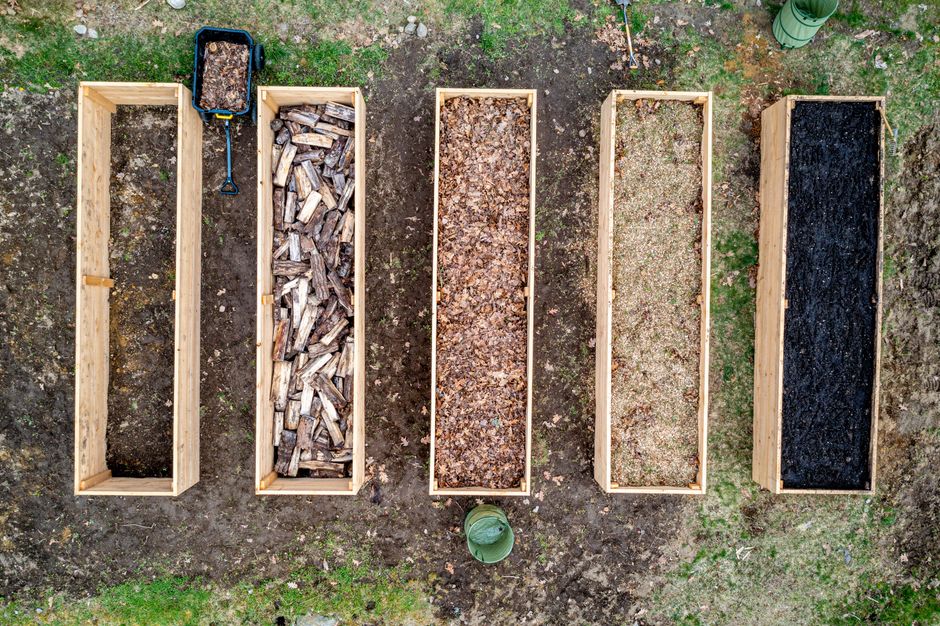
Urban Horticulture: Raised Bed Design, Substrate & Sustainable Management
Optimizing materials, organic substrates, efficient irrigation, and pest control for raised bed horticulture, promoting sustainability.

Urban Vertical Horticulture: Design, Species, and Sustainable Management
Optimizing urban spaces with vertical gardens, covering design, species selection, substrates, and water management.
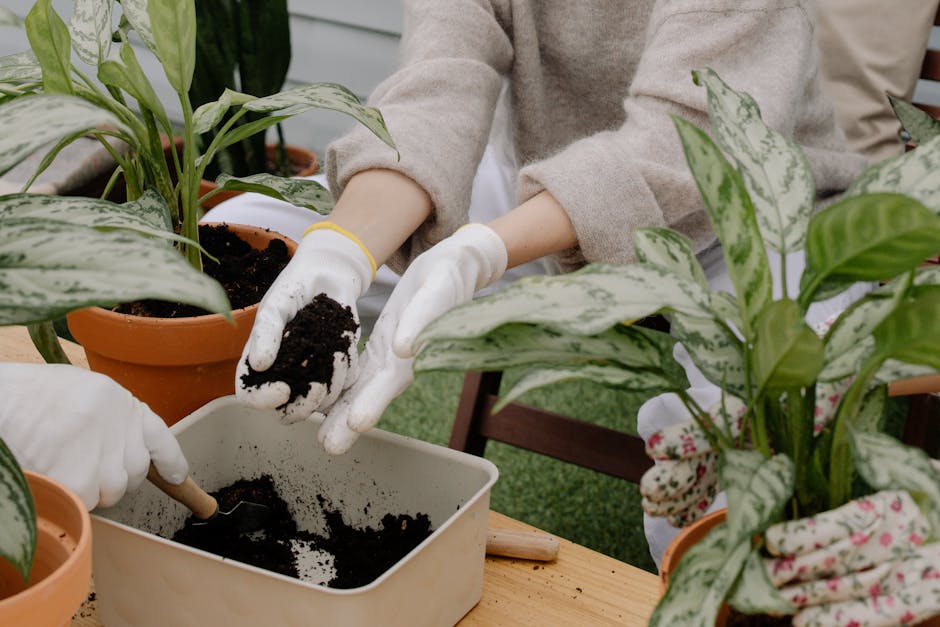
Jabuticaba in Pots: Selection, Management & Fruiting
Optimizing potted jabuticaba cultivation: cultivar selection, substrate, watering, pruning, and pest control for production in small spaces.

Crop Rotation Planning for Small-Scale Urban Gardens
Intensive and sustainable strategies to optimize soil health and productivity in reduced spaces through spatial design and plant selection.