Home Organic Garden: Design Principles, Sustainable Management, and Harvesting
Scientific guide to designing, sustainably managing, and harvesting home organic gardens for food autonomy and sustainability.

Planning and Designing Home Organic Gardens
The connection between humanity and nature manifests in various forms, and one of the most rewarding is growing food at home. Implementing a domestic organic garden offers an opportunity to reconnect with the cycle of life, ensure the origin of our food, and contribute to a more sustainable consumption model. Beyond the mere act of sowing, this approach promotes biodiversity, soil health, and food autonomy, yielding fresh produce free from agrochemicals.
Thorough planning is the cornerstone for the success of any cultivation system. Before starting, it is crucial to assess the characteristics of the available space. Solar exposure, for instance, is a determining factor; most vegetables require a minimum of six hours of direct sunlight daily. Likewise, proximity to a water source significantly facilitates irrigation tasks. The choice of containers or raised beds also influences plant development. Materials such as recycled wood, geotextile fabric, or ceramic are viable options, provided they ensure adequate drainage to prevent waterlogging, which can lead to root suffocation. The composition of the substrate is another critical element. Fertile, well-structured soil, rich in organic matter like compost or worm castings, provides essential nutrients and promotes moisture retention and aeration. Incorporating sand or perlite can improve texture in heavy soils, while peat or coco coir increases water-holding capacity in sandy soils. For the initial selection of species, it is advisable to opt for varieties adapted to the local climate and with short life cycles, such as lettuces, Swiss chards, radishes, or herbs, which offer quick results and encourage project continuity.
Sustainable Resource Management in Urban Cultivation
Sustainable garden management is based on optimizing resources and imitating natural processes. Regarding irrigation, water efficiency is paramount. Systems like drip irrigation or the application of mulching (covering the soil) with straw, dry leaves, or wood chips reduce evaporation and maintain soil moisture, decreasing the frequency of watering and water consumption. Plant nutrition relies on soil fertility. Domestic composting, which transforms organic waste into nutrient-rich fertilizer, and vermicomposting, which uses earthworms to produce humus, are essential practices. These methods not only provide nourishment for plants but also improve soil structure and its biological capacity. Companion planting is an agroecological technique that involves sowing different species together for mutual benefit. For example, basil planted near tomatoes can repel certain pests, while legumes, such as peas, fix nitrogen in the soil, benefiting neighboring plants. Crop rotation, which consists of alternating the species planted in the same space over time, prevents the depletion of specific soil nutrients and reduces the incidence of diseases and pests that may accumulate in the substrate.
Managing pests and diseases in an organic garden focuses on prevention and ecological balance, avoiding the use of synthetic chemicals. A healthy garden ecosystem, with a diversity of plants and a good population of beneficial insects, is the first line of defense. Regular observation of plants allows for the identification of early signs of infestation or disease. For control, physical methods such as manual insect removal or the use of physical barriers can be employed. Plant extracts, such as neem oil or garlic infusion, act as natural, low-impact repellents or insecticides. Introducing natural predators, like ladybugs to control aphids, is an effective biological control strategy. Maintaining good air circulation among plants and avoiding excessive leaf moisture also helps prevent fungal diseases. A valuable resource for identifying and managing these challenges can be found on specialized platforms like Infojardin, which offers an extensive database on botany and plant health: https://www.infojardin.com/.
Harvesting, Conservation, and Seed Saving Strategies
Harvesting at the optimal time maximizes the flavor and nutritional value of produce. It is essential to understand the life cycle of each species to determine when they are ready for collection. For instance, lettuce leaves can be harvested progressively (the ‘cut-and-come-again’ technique), allowing multiple harvests from the same plant. Fruits like tomatoes or peppers should be picked when they have reached their characteristic color and size. Once harvested, some produce can be preserved using techniques such as drying, fermentation, or freezing. Saving seeds from open-pollinated varieties is another sustainable practice that allows for closing the cultivation cycle and ensuring the continuity of the garden with locally adapted species. To delve deeper into these techniques, resources like La Huertina de Toni offer practical and detailed advice on sustainable cultivation and harvesting: https://lahuertinadetoni.es/.
The creation and maintenance of a home organic garden is much more than an agricultural activity; it is an investment in health, sustainability, and education. Every seed sown and every plant tended represents a step towards greater environmental awareness and a deeper connection with the source of our food. Perseverance and observation are key in this process, which rewards with the unparalleled freshness of homegrown produce and the enrichment of our environment. This approach to urban agroecology not only nourishes the body but also the spirit, fostering resilience and connection with natural rhythms.
Related Articles

Flora-Fauna Interactions: Pollinators in Horticultural Agroecosystems
Enhance biodiversity and optimize harvests through pollinator and habitat management in gardens.
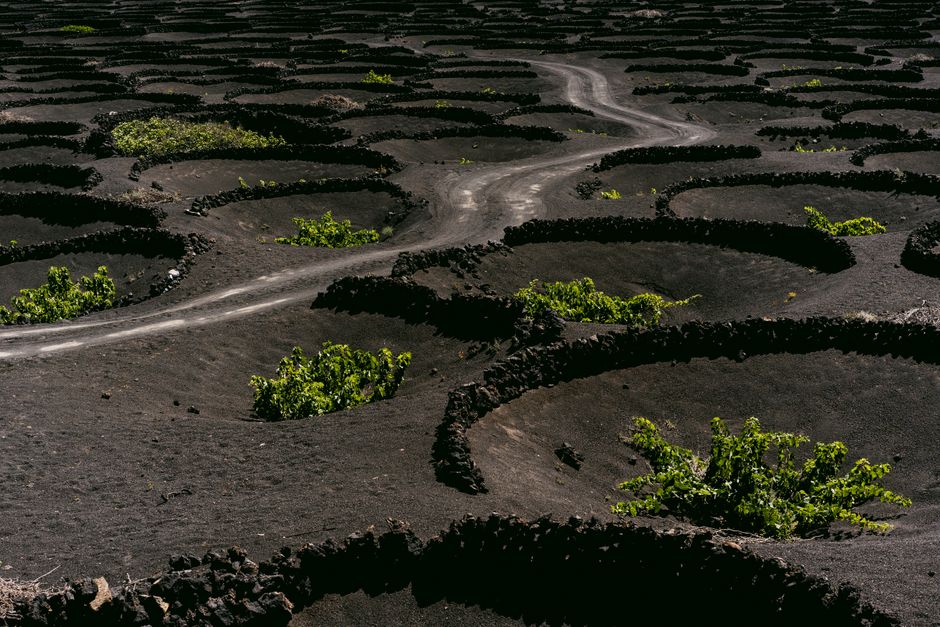
Sustainable Horticulture in Volcanic Ecosystems: Challenges and Solutions in the Galápagos
Managing invasive flora, optimizing water use, and employing regenerative techniques are key to resilient gardening in this fragile archipelago.

Rain Gardens: Urban Bioengineering for Sustainable Stormwater Management
Nature-based solutions to mitigate floods and improve water quality through infiltration and phytoremediation in urban settings.

Urban Oasis: Cultivate Delicious Strawberries Right on Your Balcony!
Learn how to transform your urban balcony into a thriving strawberry patch, yielding fresh, delicious fruit with practical tips and expert advice.