Floriography: Floral Symbolism and Non-Verbal Communication in Culture and Landscape Design
Master florography, the language of flowers, from its historical origins to its influence on non-verbal communication and contemporary garden design.

Floriography: Intersection of Botany, Culture, and Non-Verbal Communication
Human interaction with the plant kingdom has transcended mere observation and utilitarian use. Since time immemorial, flowers have served as a means of expression, a silent language capable of conveying complex emotions, intentions, and messages without the need for words. This discipline, known as florography or the language of flowers, represents a fascinating intersection between botany, culture, and non-verbal communication. Its study reveals how the assignment of meanings to specific floral species has shaped social and aesthetic practices throughout history, offering a unique perspective on the relationship between nature and the human psyche.
The origins of florography date back to ancient civilizations, where flowers already held religious, mythical, and medicinal connotations. However, its formalization as a codified system of communication is predominantly attributed to the Ottoman Empire in the 17th century. In its harems, where direct verbal communication between men and women was often restricted, an intricate system of messaging through objects, including flowers, developed. Each flower, its color, its position, and even its combination, acquired a specific meaning. This practice, documented by Lady Mary Wortley Montagu in her letters from Istanbul in 1718, was introduced to Europe, where it gained popularity in Victorian England. During this era, florography reached its peak, becoming an integral part of courtship and social etiquette. Numerous flower dictionaries were published, cataloging thousands of meanings, allowing individuals to send elaborate and often secret messages, from declarations of love to subtle reproaches. The red rose, for example, symbolized passionate love, while a yellow rose could indicate jealousy or friendship, depending on the context. This codification allowed for rich social interaction in a period characterized by the repression of direct emotional expression.
Codification of Floral Language: Ottoman Origins and Victorian Heyday
The symbolism inherent in various floral species varies considerably depending on the cultural and geographical context, although certain constants exist. In the Río de la Plata region and much of Latin America, some flowers retain deeply rooted meanings reflected in literature, music, and popular traditions. The rose, a universal archetype, usually connotes love and beauty, but its color nuances expand its vocabulary: intense red for romantic love, white for purity and innocence, yellow for friendship or, in certain interpretations, jealousy, and pink for gratitude or admiration. Jasmine (Jasminum officinale), widely cultivated in gardens in Buenos Aires and other cities, is often associated with sweetness, grace, and platonic love. Its penetrating fragrance makes it a symbol of deep memories and lasting affection. The carnation (Dianthus caryophyllus), with its wide range of colors, also possesses an extensive lexicon. The red carnation is linked to deep love, white to purity and good luck, and pink to gratitude. In contrast, a yellow carnation may suggest disdain or disappointment. The hydrangea (Hydrangea macrophylla), with its large inflorescences, is sometimes interpreted as a symbol of gratitude or, in some cultures, of vanity or indifference due to its abundance. These associations are not static; they evolve over time and are enriched by the particularities of each region, but their study provides a window into human perception of nature. For a deeper exploration of flower symbolism, resources like the Infojardín website offer detailed descriptions of species and their historical and cultural meanings [https://www.infojardin.com/].
Currently, the language of flowers, though not practiced with the same rigor as in the Victorian era, continues to influence how we select and present flowers. From choosing a bouquet for a special occasion to designing a garden with a specific narrative, florography offers an additional layer of meaning. For gardeners and landscape designers, understanding these symbolisms can enrich the experience and communication through design. For example, when creating a contemplative space, incorporating lilies (purity, majesty) or lavender (calm, devotion) can reinforce the desired atmosphere. In a garden intended for celebration or joy, the presence of sunflowers (adoration, longevity) or dahlias (elegance, dignity) would be appropriate. When planning floral ornamentation for events, such as weddings or anniversaries, the selection of species and colors can convey specific messages to attendees. A bridal bouquet composed of lilies of the valley (happiness, humility) and peonies (good fortune, happy marriage) communicates wishes for prosperity and conjugal joy. In addition to ornamentation, florography can inspire the creation of “message gardens,” where each section or floral combination tells a story. This involves not only selecting species for their aesthetic beauty or agronomic requirements but also for the resonance of their meaning. La Huertina de Toni, a popular resource for gardeners, often addresses cultural and aesthetic aspects of plants, complementing technical information with perspectives on their symbolic value [https://www.lahuertinadetoni.es/]. Understanding these nuances allows cultivators not only to appreciate biodiversity but also to interact with it in a deeper and more expressive way.
Floral Symbolism in Latin America: Analysis of Species and Their Cultural Connotations
The language of flowers represents much more than a historical curiosity; it is a testament to the human capacity to find meaning and express emotions through the natural world. From Ottoman gardens to the balconies of Buenos Aires, flowers have been and continue to be silent emissaries of our deepest feelings. By recognizing and understanding this language, horticulturists and gardeners can not only cultivate beauty but also weave narratives, preserve traditions, and enrich interpersonal communication. Botany, in this sense, transcends its scientific study to become a form of art and cultural expression, inviting us to observe more attentively and interact with our plant environment in a more conscious and meaningful way.
Contemporary Applications of Floriography in Garden and Event Design
Related Articles

Unlock Bountiful Harvests: Essential Care for Thriving Fruit Trees
Understand the secrets to nurturing healthy, productive fruit trees, from proper planting and soil care to effective pest management, ensuring abundant yields.

Argentine Native Plants: Biodiversity and Resilience for Sustainable Gardens
Integrating native flora in Argentina for resilient, biodiverse, low-maintenance green spaces, optimizing water resources and supporting local ecosystems.
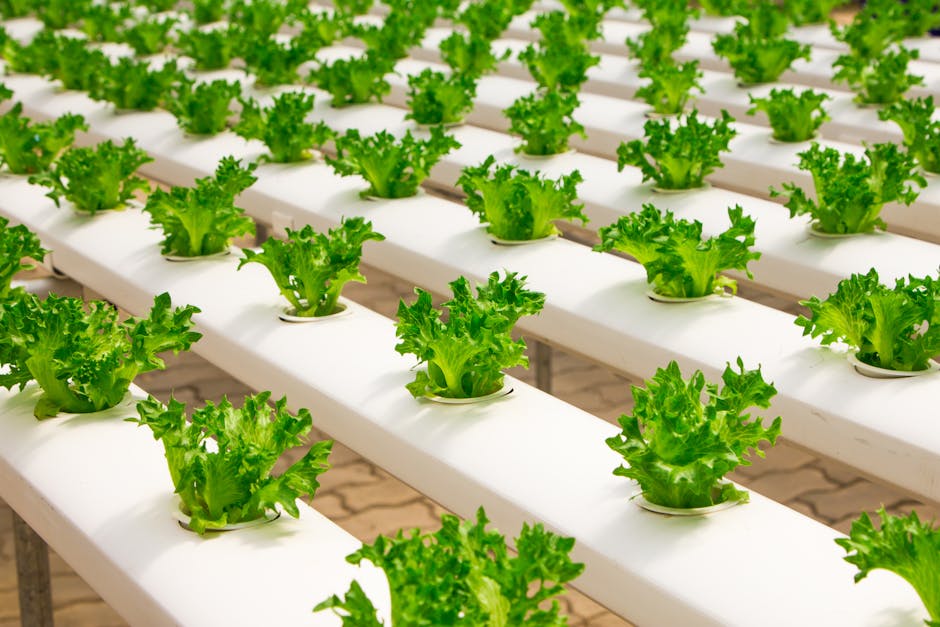
Continuous Lettuce Production: Cultivar Selection, Staggered Sowing, and Environmental Optimization
Strategies for year-round fresh lettuce: cultivars, successive planting, thermal control, and nutrition for productive gardens.

Vegetative Propagation by Cuttings: Fundamentals, Protocols, and Technological Advances
Explore plant cloning via cuttings, its cellular bases, preparation methods, substrates, and optimization with technology and sustainable practices.