The Family Garden: A Platform for Experiential Learning and Ecological Engagement
Exploring how domestic horticulture serves as a dynamic educational environment, fostering ecological literacy, practical skills, and responsible stewardship.
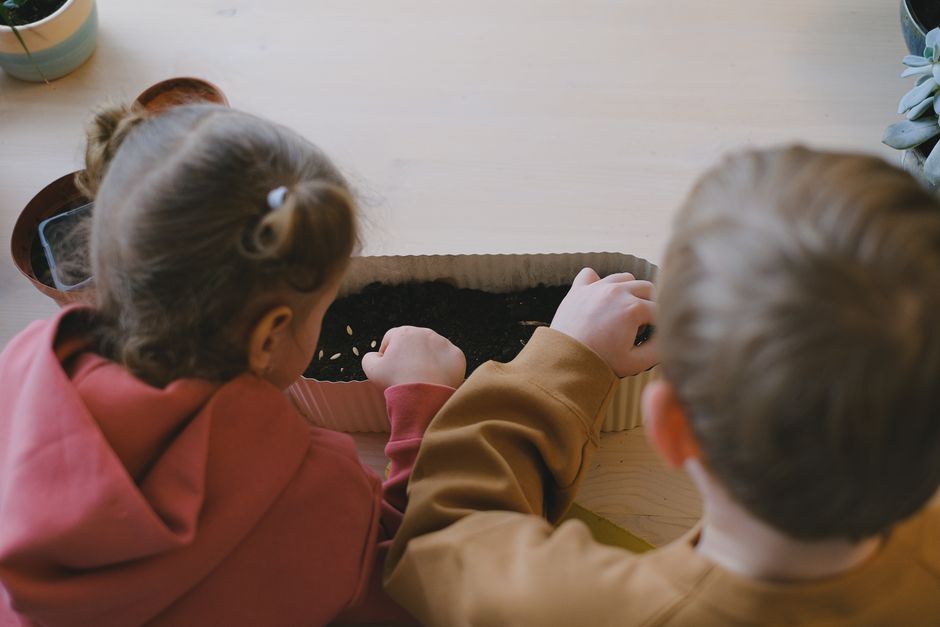
The cultivation of a family garden extends far beyond the mere production of food; it represents a profound opportunity for hands-on education and ecological immersion. In an increasingly urbanized world, the domestic garden stands as a vital living laboratory, offering invaluable lessons in botany, environmental science, and sustainable living. This article delves into the multifaceted educational benefits of establishing and maintaining a home garden, highlighting its potential to foster a deeper connection with nature and instil critical life skills in individuals of all ages.
The Garden as a Living Classroom: Botanical Principles in Practice
A home garden provides an unparalleled setting for understanding fundamental botanical and ecological principles. From the moment a seed is sown, observers can witness the intricate processes of germination, photosynthesis, and plant growth firsthand. Children and adults alike can learn about different plant structures – roots, stems, leaves, flowers, and fruits – and their respective functions. Understanding soil composition becomes an active lesson as gardeners observe the effects of clay, sand, and organic matter on plant vigor and water retention. The concept of biodiversity, for instance, moves from an abstract term to a tangible reality when identifying beneficial insects, pollinators, and various plant species coexisting within a small plot.
Practical experiments abound in the garden. One can compare the growth rates of plants in different soil types, observe the impact of varying sunlight exposure, or track the life cycle of a common garden pest and its natural predators. This direct engagement with natural systems cultivates a scientific mindset, encouraging observation, hypothesis formation, and data analysis in an accessible, engaging manner. For further insight into basic plant biology, resources like the Royal Horticultural Society offer comprehensive guides on understanding plant growth: https://www.rhs.org.uk/.
Cultivating Responsibility: Ecological Stewardship and Sustainable Practices
Beyond basic botany, the family garden serves as a powerful model for sustainable living and environmental stewardship. Implementing practices such as composting kitchen scraps and garden waste teaches about nutrient cycling and waste reduction, transforming what might be considered refuse into valuable soil amendments. Water conservation becomes a tangible goal when designing efficient irrigation systems, like drip lines, or collecting rainwater for garden use. These actions directly demonstrate the impact of individual choices on resource management.
Integrated Pest Management (IPM) offers lessons in ecological balance. Instead of relying solely on chemical interventions, gardeners learn to identify pests, understand their life cycles, and employ natural solutions such as companion planting, introducing beneficial insects, or manual removal. This holistic approach fosters a sense of responsibility towards the environment and encourages problem-solving through ecological principles. The U.S. Environmental Protection Agency provides excellent resources on starting and maintaining a compost system at home: https://www.epa.gov/recycle/composting-home.
From Seed to Table: Nutritional Awareness and Food Systems
One of the most profound educational outcomes of a family garden is the direct connection it establishes between food production and nutrition. Growing one’s own fruits and vegetables demystifies the origin of food, illustrating the effort, time, and resources required to bring produce to the table. This understanding can significantly influence dietary choices, promoting a preference for fresh, seasonal produce and reducing reliance on processed foods.
Children who participate in gardening are often more willing to try new vegetables they’ve helped cultivate. The garden becomes a platform for discussions about healthy eating, the importance of vitamins and minerals, and the concept of ‘food miles’ – the distance food travels from farm to plate. Preparing meals with garden-fresh ingredients reinforces these lessons, transforming abstract nutritional advice into a delicious, tangible experience. Resources from organizations like the National Gardening Association offer insights into growing healthy food at home: https://garden.org/.
Conclusion: Nurturing Growth Beyond the Harvest
The family garden is more than a plot of land; it is an enduring project that nurtures growth in countless ways. It provides a unique setting for hands-on scientific inquiry, fosters a deep respect for ecological processes, and cultivates an informed perspective on food and nutrition. The skills acquired – patience, problem-solving, observation, and responsibility – are transferable life lessons that extend far beyond the garden gate. By engaging in domestic horticulture, individuals and families embark on an enriching educational journey, contributing to their well-being while fostering a more sustainable and ecologically aware community.
Related Articles

Photoperiod and Bulb Morphogenesis: Light Regulation in Allium Crops
Explore how day length, detected by phytochromes, induces bulbing in onions and garlic, essential for horticultural optimization.

Crop Rotation for Crown Gall Suppression by Agrobacterium tumefaciens
Disrupt Agrobacterium tumefaciens cycle via non-host crop rotation, enhancing soil health and agricultural resilience.

Sustainable Gardening: Design and Techniques for Low-Maintenance, High-Resilience Spaces
Integrate xeriscaping, smart irrigation, and biological control for an aesthetically pleasing, ecologically robust garden with minimal intervention.

Drip Irrigation: Water and Agronomic Efficiency for Sustainable Crops
Enhance water use and enhance agricultural productivity with drip irrigation systems. Minimize losses and promote resilient crops.