Ilex paraguariensis: Botanical Characteristics and Cultivation Requirements
Understand the botanical profile and essential cultivation requirements for Ilex paraguariensis, commonly known as Yerba Mate, a vital South American crop.

The verdant landscapes of the Southern Cone of South America hold a botanical treasure, Ilex paraguariensis, universally recognized as Yerba Mate. More than just a beverage, mate embodies a rich cultural heritage and an significant economic pillar for regions spanning Argentina, Brazil, Paraguay, and parts of Uruguay. Understanding the intricate biological demands and cultivation practices of this unique holly species is paramount for sustainable production and preserving its legacy.
Botanical Profile and Environmental Demands
Ilex paraguariensis belongs to the Aquifoliaceae family, a robust evergreen tree or shrub that can reach heights of 15-20 meters in its natural habitat, though typically maintained at smaller sizes in cultivation. Its leaves are dark green, oval, and serrated, containing a complex array of compounds, including caffeine (mateína), theobromine, theophylline, and various polyphenols, contributing to its stimulating effects and antioxidant properties.
Native to subtropical forests, Yerba Mate thrives under specific environmental conditions:
- Climate: Requires a subtropical climate with well-defined seasons, including a warm, humid summer and a mild winter. Frost tolerance is limited, especially for young plants.
- Rainfall: Optimal growth occurs with annual precipitation ranging from 1,200 to 2,000 mm, ideally well-distributed throughout the year. Supplemental irrigation may be necessary during prolonged dry periods.
- Temperature: Average temperatures between 18°C and 25°C are ideal. Extremes, both hot and cold, can stress the plants.
- Soil: Prefers deep, well-drained, acidic soils (pH 5.0-6.5) rich in organic matter. Volcanic or lateritic soils, common in its native range, are often well-suited. Good drainage is crucial to prevent root rot.
- Light: While mature plants can tolerate full sun, young Yerba Mate plants benefit significantly from partial shade, mimicking their understory growth in natural forests. This is often achieved through agroforestry systems or shade netting in nurseries.
Propagation and Initial Establishment
Establishing a Yerba Mate plantation requires careful consideration of propagation methods and initial plant care.
Seed Propagation
While possible, propagating Yerba Mate from seeds presents challenges. Seeds exhibit dormancy, often requiring a stratification period (cold and moist treatment) of several months to encourage germination. Germination rates can be variable, and seedlings require a protected nursery environment for 1-2 years before transplanting. Genetic variability is also a factor, making this less common for commercial uniform production.
Vegetative Propagation
Vegetative propagation, primarily through cuttings, is the preferred method for commercial operations due to its ability to produce genetically identical plants with desired traits and faster establishment. Semi-hardwood cuttings are typically taken from healthy mother plants and rooted under controlled conditions, often with the aid of rooting hormones and misting systems. This ensures uniformity in the plantation and predictable yields.
Nursery Phase and Transplanting
Young plants spend a considerable time in nurseries, typically in bags or containers, under partial shade. This period allows them to develop a robust root system before being exposed to field conditions. When ready for transplanting (usually when they are 30-50 cm tall), careful handling is essential to minimize transplant shock. Planting density varies, but common spacing allows for future mechanization and adequate light penetration. Soil preparation, including organic matter incorporation and pH adjustment if necessary, is vital before planting.
Cultivation Practices and Maintenance
Sustaining a healthy and productive Yerba Mate plantation involves ongoing management practices.
Pruning
Pruning is critical for shaping the plants, encouraging lateral growth, and optimizing leaf production. The first significant harvest typically occurs 3-5 years after planting, and subsequent harvests involve selective pruning of branches. Rejuvenation pruning may be performed on older plants to stimulate new growth. Proper pruning techniques prevent disease and maintain plant vigor.
Nutrition and Fertilization
Yerba Mate is a demanding crop regarding nutrients. Soil analysis is recommended to determine specific fertilization needs. Key nutrients include nitrogen (N) for leaf growth, phosphorus (P) for root development, and potassium (K) for overall plant health and stress tolerance. Organic amendments like compost or well-rotted manure are highly beneficial for improving soil structure and nutrient availability. Micronutrients, such as boron and zinc, are also important.
Pest and Disease Management
While generally resilient, Yerba Mate can be susceptible to certain pests and diseases. Common issues include various leaf-eating insects, mites, and fungal diseases like rust or powdery mildew. Integrated Pest Management (IPM) strategies, combining cultural practices, biological controls, and judicious use of approved pesticides (when necessary), are recommended to minimize environmental impact and maintain plant health. Regular scouting for early detection is key.
Weed Control and Water Management
Effective weed control, particularly during the establishment phase, is essential to reduce competition for water and nutrients. Mulching with organic materials not only suppresses weeds but also conserves soil moisture and adds organic matter. While Yerba Mate is relatively drought-tolerant once established, consistent moisture is vital for optimal yield, especially during dry spells. Drip irrigation can be an efficient method for supplementary watering.
Agroforestry Integration
A growing trend in Yerba Mate cultivation, particularly in Argentina and Brazil, involves integrating plantations into agroforestry systems. Planting Yerba Mate under a canopy of native trees mimics its natural forest habitat, providing shade, improving soil health, enhancing biodiversity, and offering additional economic benefits from timber or other forest products. This approach promotes sustainability and resilience against climate variability.
Harvesting and Post-Harvest Considerations
Harvesting Yerba Mate leaves is a labor-intensive process, typically occurring once every 1-2 years from mature plants (usually 3-5 years old).
Harvesting Methods
Traditionally, harvesting is done manually, with workers selectively cutting branches containing mature leaves. This allows for precise selection and minimal damage to the plant. Mechanical harvesting is also employed in larger, more uniform plantations, though it requires specific plant architecture and can be less selective.
Post-Harvest Processing
After harvesting, the leaves undergo several critical processing steps to become the familiar Yerba Mate product:
- Sapecado (Flash Heating): The branches are quickly exposed to high heat (often over a fire) for a few seconds. This inactivates enzymes, preventing oxidation and preserving the green color and compounds.
- Secado (Drying): The leaves are then slowly dried in controlled environments, reducing moisture content to about 5-6%. This can take several hours.
- Canchado (Coarse Milling): The dried leaves and stems are coarsely milled into a uniform size, separating them from larger woody material.
- Estacionamiento (Aging): This crucial step involves storing the coarsely milled mate in controlled conditions for several months to even years. This aging process allows the flavors and aromas to develop and mellow, contributing significantly to the final product’s quality and character.
Conclusion
The cultivation of Ilex paraguariensis is a testament to the intricate relationship between nature, culture, and sustainable agriculture in South America. From understanding its specific botanical requirements to implementing precise propagation, maintenance, and processing techniques, every step contributes to the production of this cherished beverage. As global interest in Yerba Mate continues to grow, embracing scientific principles and environmentally conscious practices, such as agroforestry, will ensure the longevity and vitality of this remarkable crop for generations of growers and consumers alike. The dedication to these practices by growers across Argentina, Brazil, and Paraguay not only sustains an industry but also preserves a living cultural tradition.
References:
- INTA (Instituto Nacional de Tecnología Agropecuaria, Argentina): https://inta.gob.ar/
- EMBRAPA (Empresa Brasileira de Pesquisa Agropecuária, Brazil): https://www.embrapa.br/
Related Articles
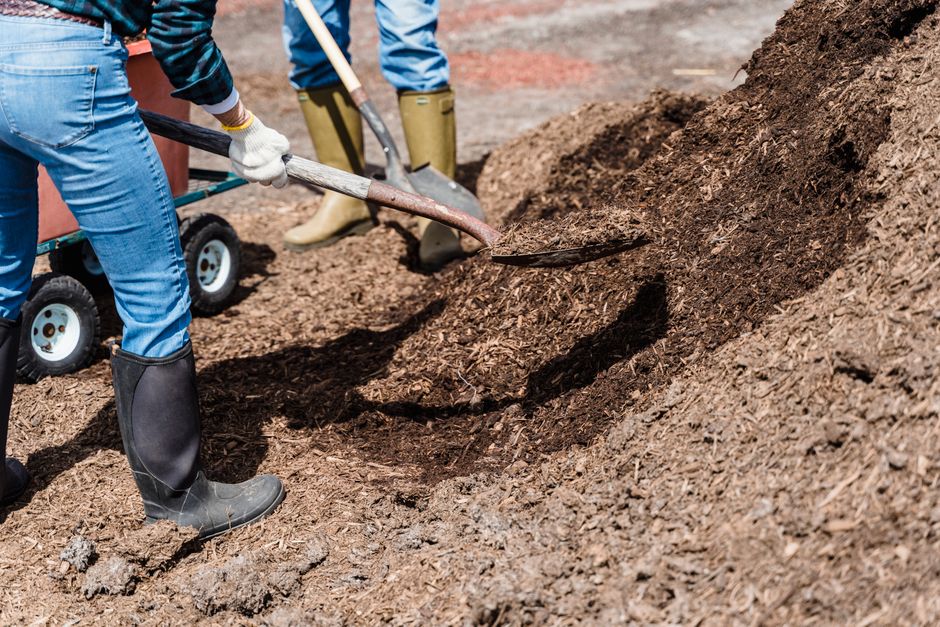
Soil Water Conservation: Mulch & Physical Mechanisms
Examines physical principles of mulching, categorizes organic and inorganic materials, and details application strategies for maximizing water retention.

Ilex paraguariensis: Agronomic Bases, Propagation, and Crop Sustainability
Master climatic, edaphic conditions, propagation, phytosanitary management, and processing for efficient yerba mate production.

Seed Saving: Key Techniques for Self-Sufficiency and Biodiversity
Learn to collect, dry, and store seeds to ensure future harvests and maintain garden biodiversity.
Yerba Mate Cultivation: Agroecology, Propagation, and Sustainable Management
Enhance Ilex paraguariensis cultivation with agroecological techniques, advanced propagation methods, and agronomic management for sustainable production.