Children's Horticulture: Cultivating Environmental Understanding and Practical Skills
Master effective strategies and engaging projects for introducing children to horticulture, fostering environmental appreciation and developing essential practical skills.
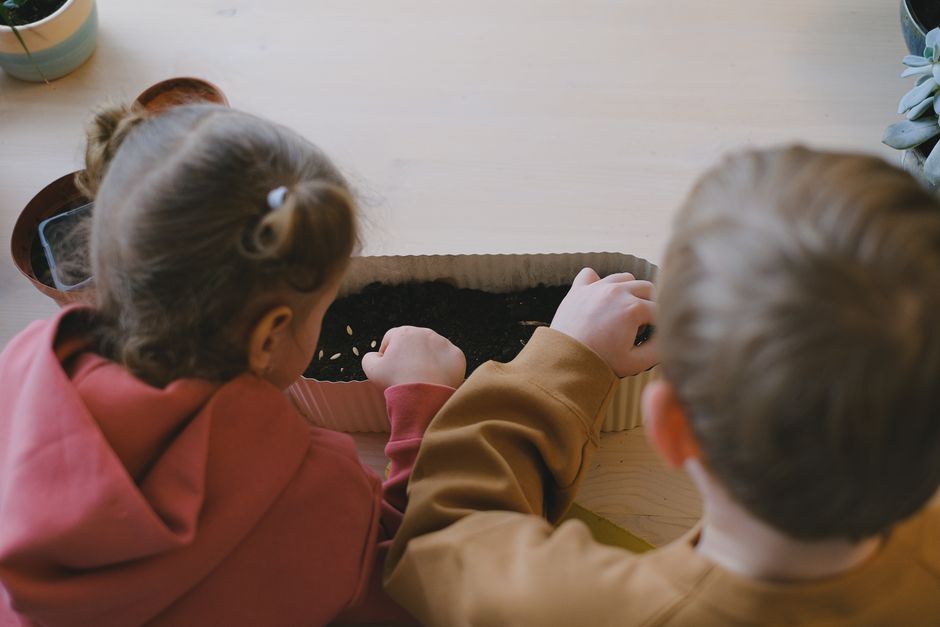
The intricate relationship between humans and the natural world is fundamental, yet increasingly distant for many in urbanized societies. Horticulture, the art and science of cultivating plants, offers a profound avenue for reconnecting children with their environment. Beyond aesthetic appeal, engaging young individuals in gardening initiatives provides a rich pedagogical framework, fostering not only a nascent understanding of botanical principles but also critical life skills, environmental stewardship, and sensory development. This exploration delves into structured approaches and practical projects designed to introduce children to the captivating realm of plant cultivation, transforming passive observation into active participation and discovery.
Pedagogical Foundations of Youth Gardening
Participation in horticultural activities significantly contributes to cognitive, emotional, and physical development in children. The process of planting a seed, nurturing its growth, and observing its transformation offers tangible lessons in patience, responsibility, and the cyclical nature of life. From a cognitive perspective, gardening encourages problem-solving—identifying why a plant might be wilting or where the optimal light source lies. It also enhances observational skills, prompting children to notice subtle changes in leaf color, insect interactions, or the emergence of a bud. Sensory engagement is paramount; the textures of soil and leaves, the scents of herbs and flowers, and the visual diversity of plant forms provide a multi-sensory learning experience that is often more impactful than abstract classroom instruction. Moreover, the act of tending a garden instills a sense of accomplishment and self-efficacy, vital components of a child’s psychological well-being. These hands-on experiences lay a robust foundation for scientific inquiry and ecological awareness from an early age. For further insights into the educational value of gardening for youth, the Royal Horticultural Society offers extensive resources on their educational programs [https://www.rhs.org.uk/education-learning/gardening-children].
Designing Accessible Horticultural Spaces for Children
Creating a gardening space that is safe, accessible, and inspiring is crucial for sustained engagement. Design considerations should prioritize child-friendly dimensions, ensuring that raised beds or containers are at an appropriate height for easy reach, and pathways are wide enough for comfortable movement. Tool selection is equally important; miniature, sturdy gardening tools designed for small hands not only prevent injury but also empower children to perform tasks independently. Plant selection is a critical factor: opt for species that are easy to grow, have a relatively fast growth cycle to maintain interest, and are non-toxic. Examples include common bean varieties (Phaseolus vulgaris), sunflowers (Helianthus annuus), radishes (Raphanus sativus), and various herbs like mint (Mentha sp.) or basil (Ocimum basilicum). The integration of native plant species, where appropriate, can also introduce children to local ecosystems and biodiversity. Thematic gardens, such as a ‘pizza garden’ (tomatoes, basil, oregano) or a ‘butterfly garden’ (nectar-rich flowers), can provide a narrative framework that enhances engagement. Vertical gardening techniques, utilizing repurposed palettes or hanging planters, offer excellent solutions for limited urban spaces, making horticulture accessible even in small patios or balconies. The National Garden Bureau provides valuable guides on selecting appropriate plants for children’s gardens [https://ngb.org/kids-garden/].
Engaging Horticultural Projects for Young Learners
Translating theoretical knowledge into practical application is key to fostering a deep understanding of horticulture. A fundamental project involves seed germination, where children can observe the emergence of a seedling from a dormant seed, often using transparent containers to view root development. Microgreens cultivation offers a rapid gratification project, demonstrating quick growth and the concept of harvesting. Children can sow various seeds like radish, broccoli, or arugula in shallow trays and harvest them within weeks. Another engaging activity is propagating plants from cuttings, such as Pothos (Epipremnum aureum) or Coleus (Plectranthus scutellarioides), which illustrates asexual reproduction and plant resilience. Introducing the principles of composting through a small-scale worm bin (vermicomposting) can teach about decomposition, nutrient cycling, and waste reduction. Projects like creating a miniature terrarium or a hydroponic system using recycled bottles can introduce concepts of enclosed ecosystems and soilless cultivation. Encouraging children to maintain a ‘plant journal’ to record observations, drawings, and measurements reinforces scientific documentation skills. These hands-on endeavors transform abstract botanical concepts into tangible, memorable learning experiences. For more creative project ideas, resources from organizations like the Missouri Botanical Garden’s youth programs can be inspiring [https://www.missouribotanicalgarden.org/education/youth-family-programs.aspx].
Engaging children in horticulture is far more than a recreational pastime; it is an investment in their holistic development and future environmental stewardship. Through hands-on experiences with plants, children cultivate not only a deeper appreciation for the natural world but also essential life skills such as patience, responsibility, and critical thinking. The garden becomes a living laboratory, a classroom without walls, where scientific principles are discovered through direct interaction. As we navigate an increasingly urbanized future, fostering this connection between youth and the plant kingdom becomes paramount, ensuring that the next generation possesses the knowledge and empathy required to nurture our planet. The seeds planted today in children’s gardens will undoubtedly yield a harvest of informed and environmentally conscious citizens tomorrow.
Related Articles

Biology and Ecological Role of Coccinellidae in Green Ecosystems
Investigate Coccinellidae biology, morphology, and cultivation for effective garden pest management through biological control.

Highland Guatemalan Horticulture: Climate, Soils, and Biodiversity in Atitlán
Adapting crops in Atitlán through water management, volcanic soils, permaculture, and technologies for ecological and productive resilience.

Syagrus romanzoffiana: Edaphoclimatology, Propagation & Sustainable Management
Details edaphoclimatic requirements, germination/transplant methods, and water-nutritional management of Pindo Palm for landscape integration.

Horticulture in Bolivian Savannas: Edaphic, Hydric, and Plant Adaptation
Water management techniques, soil enrichment, and resilient species selection for horticulture in the Bolivian palm savanna.