Grapevine Cultivation: Essential Practices for Successful Home Viticulture
An in-depth guide to cultivating grapes at home, covering site selection, varietal choice, pruning techniques, and integrated pest management for robust yields.

The allure of cultivating Vitis vinifera, the common grapevine, in a domestic setting is a pursuit that blends horticultural science with the timeless satisfaction of producing one’s own fruit. From a small urban balcony to a spacious backyard, the prospect of harvesting succulent table grapes or even crafting a small batch of homemade wine captivates many. This comprehensive exploration delves into the foundational principles and practical techniques required to establish and maintain a thriving home vineyard, offering insights applicable to diverse temperate climates, including those found across South America.
Foundations for Flourishing Vines: Site and Soil
Successful grapevine cultivation begins with meticulous site selection. Grapes are sun-loving plants, demanding a minimum of 6 to 8 hours of direct sunlight daily to ensure adequate fruit development and sugar accumulation. Insufficient light leads to poor yields, weak growth, and increased susceptibility to diseases.
Soil characteristics are equally critical. Grapevines thrive in well-drained soils; waterlogged conditions can quickly lead to root rot and plant demise. If your native soil is heavy clay, consider amending it with organic matter, sand, or establishing raised beds to improve drainage. The ideal soil pH for most grape varieties ranges from 6.0 to 7.0, slightly acidic to neutral. A soil test is highly recommended before planting to ascertain current nutrient levels and pH, allowing for targeted amendments. Incorporating compost or well-rotted manure will enhance soil structure and fertility, providing a slow-release source of essential nutrients.
Selecting and Establishing Your Vineyard
Choosing the appropriate grape varietal is paramount, considering your local climate, available space, and intended use (table grapes, juice, or wine). For home growers, disease-resistant varieties are often preferred to minimize chemical interventions. Research local nurseries or agricultural extension services for recommendations suited to your specific region’s climate patterns. For instance, in temperate zones, varieties known for their resilience to common fungal diseases might be particularly advantageous.
Planting can occur with bare-root vines in early spring or potted plants throughout the growing season. Dig a hole wide and deep enough to accommodate the root system comfortably. Ensure proper spacing, typically 6 to 8 feet (1.8 to 2.4 meters) between plants, to allow for adequate air circulation and root development. Immediate installation of a robust support structure, such as a trellis or arbor, is essential. Grapevines are vigorous climbers, and proper training from the outset will shape the plant, facilitate pruning, and optimize fruit exposure to sunlight.
The Art of Pruning and Training
Pruning is arguably the most critical aspect of grapevine management, directly influencing fruit production, plant health, and longevity. Without proper pruning, grapevines become overgrown, producing fewer, smaller, and lower-quality grapes.
There are two primary types of pruning:
- Dormant Pruning (Winter Pruning): Performed when the vine is dormant, typically in late winter or early spring before bud break. This involves removing the majority of the previous season’s growth, leaving only a select number of canes (cane pruning) or spurs (spur pruning) that will bear fruit. This practice balances vegetative growth with fruit production.
- Summer Pruning (Green Pruning): Conducted during the growing season, focusing on canopy management. This includes shoot thinning, leaf removal around fruit clusters, and topping or hedging excessive growth. Summer pruning improves air circulation, reduces disease pressure, and enhances fruit ripening by increasing light exposure. Understanding the difference between fruiting wood and non-fruiting wood is key to effective pruning. For detailed guidance, resources like the Royal Horticultural Society provide excellent visual aids and instructions: https://www.rhs.org.uk/fruit/grapes/pruning.
Safeguarding Your Harvest: Pest and Disease Management
Grapevines are susceptible to various pests and diseases. Vigilant monitoring and proactive management are crucial for a healthy harvest.
Common Issues:
- Fungal Diseases: Powdery mildew and downy mildew are prevalent, especially in humid conditions. Good air circulation through proper pruning helps mitigate these. Organic fungicides, such as sulfur or copper-based sprays, can be used preventatively or at the first sign of infection.
- Insect Pests: Grape phylloxera (an aphid-like insect) can be devastating to Vitis vinifera roots, though many modern rootstocks are resistant. Other pests include Japanese beetles, aphids, and spider mites. Integrated Pest Management (IPM) strategies, including cultural controls, beneficial insects, and targeted organic insecticides, are recommended.
- Vertebrate Pests: Birds are notorious for feasting on ripening grapes. Netting is often the most effective and environmentally friendly solution to protect your crop.
Regular inspection of leaves, stems, and fruit clusters will help detect problems early. Consulting resources like the National Gardening Association can provide further insights into organic pest control methods: https://garden.org/learn/articles/view/3990/.
Harvesting the Rewards
The culmination of your efforts is the harvest. Grapes do not continue to ripen once picked, so timing is crucial. Indicators of ripeness include:
- Color: Grapes should have developed their characteristic color fully.
- Taste: Sample a few grapes. They should be sweet and flavorful, not tart.
- Texture: The berries should feel soft but firm.
- Seed Color: For wine grapes, seeds should be brown, not green.
Harvest grapes by cutting the entire cluster with pruners, being careful not to damage the fruit. Handle gently to avoid bruising. Freshly picked grapes can be enjoyed immediately or stored in the refrigerator for a short period.
Conclusion
Cultivating grapevines at home is a rewarding endeavor that connects the gardener to centuries of viticultural tradition. While it demands attention to detail in site preparation, varietal selection, and particularly in the nuanced art of pruning and pest management, the satisfaction of nurturing a vine from dormancy to a bountiful harvest is profound. By embracing scientific principles and sustainable practices, home gardeners can successfully transform their outdoor spaces into productive vineyards, yielding delicious fruit and a deeper appreciation for the cycles of nature.
Related Articles

Tomato Anthracnose Management: Diagnosis, Strategies, Tech
Combines early identification, cultural practices, biological-chemical control, and precision technologies for tomato crop protection.

Urban Garden Design to Foster Local Avian Biodiversity
Selecting native flora, providing water, and organic management to create functional, sustainable avian habitats in urban settings.

Unlock Endless Green: Master the Art of Plant Propagation Through Cuttings
Transform your garden with plant cuttings! Discover expert techniques for successful propagation, from selection to rooting, and multiply your favorite plants.
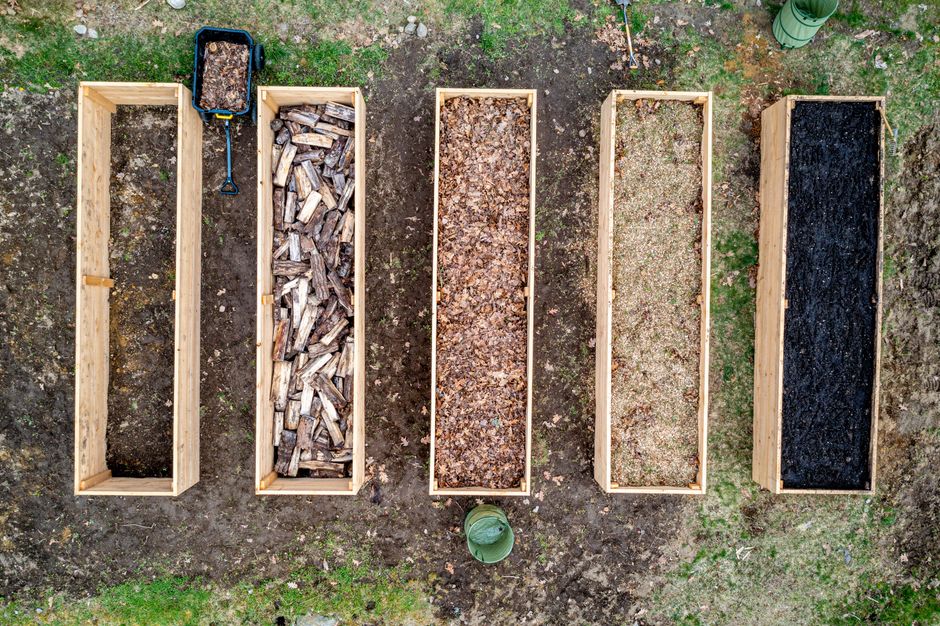
Optimizing Raised Beds for Spring Planting: Soil Evaluation and Morphology
Preparing raised beds with soil analysis, organic amendments, morphological design, and mulching for peak plant health and yield.