Hydroponic Systems: Fundamentals and Initial Implementation for Home Cultivation
Understand the foundational principles of hydroponics and practical steps for setting up your first soilless garden at home, enhancing plant growth and resource efficiency.
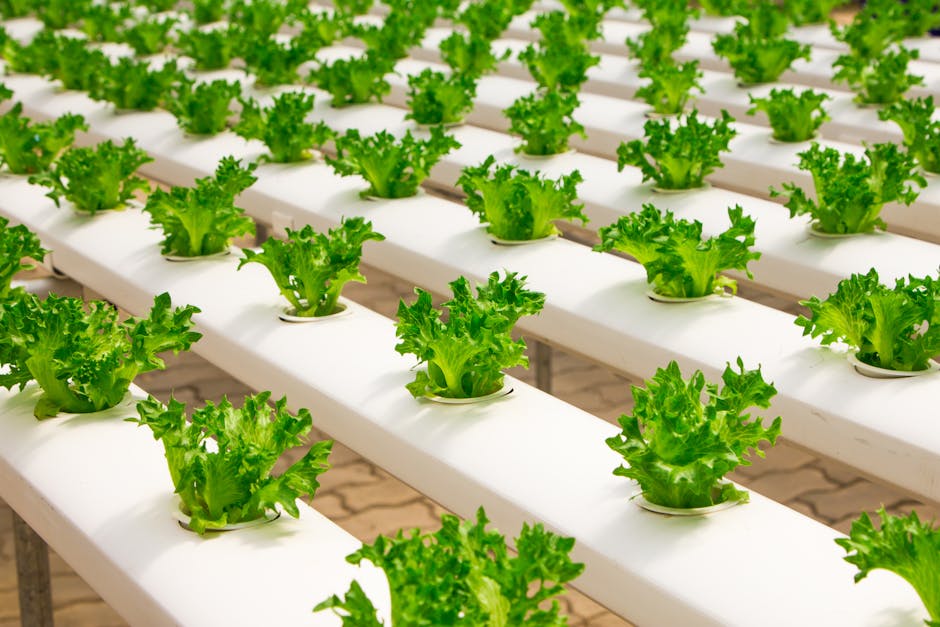
The quest for sustainable food production and efficient gardening practices has led to a remarkable resurgence in soilless cultivation techniques. Among these, hydroponics stands out as a method that redefines traditional agriculture, offering a path to grow plants with unparalleled water efficiency and often accelerated growth rates. For many home gardeners, from the bustling urban centers to more suburban settings, hydroponics presents an exciting opportunity to cultivate fresh produce with a minimal footprint, irrespective of soil quality or space constraints. This exploration delves into the core principles of hydroponic systems, providing a scientific yet accessible guide for those embarking on their first journey into water-based plant cultivation.
Understanding Hydroponics: A Soilless Revolution
Hydroponics, derived from the Greek words “hydro” (water) and “ponos” (labor), is a method of growing plants without soil, using mineral nutrient solutions dissolved in water to deliver essential elements directly to the roots. This technique leverages a controlled environment to optimize plant growth, offering several distinct advantages over conventional soil-based gardening.
Key benefits include:
- Water Efficiency: Hydroponic systems can use up to 90% less water than traditional farming because water is recirculated and reused, minimizing evaporation and runoff. For more on water conservation, see the University of Arizona’s insights on sustainable agriculture: https://extension.arizona.edu/sites/extension.arizona.edu/files/pubs/az1753-2018.pdf
- Faster Growth Rates: Plants often grow faster due to optimized nutrient delivery and environmental control, leading to quicker harvests.
- Reduced Pests and Diseases: The absence of soil significantly reduces the incidence of soil-borne pests and diseases, often lessening the need for chemical pesticides.
- Space Optimization: Hydroponic setups can be vertical, making them ideal for urban environments or small balconies where space is at a premium.
- Predictable Yields: Controlled conditions allow for more consistent and predictable crop production.
The fundamental components of any hydroponic system include a reservoir for the nutrient solution, a growing medium (if used) to support the plant, a pump (for active systems), and a system for delivering the nutrient solution to the plant roots. Light, whether natural sunlight or artificial grow lights, is also a critical factor for photosynthesis.
Selecting Your First Hydroponic System
Choosing the right system is paramount for a successful beginner experience. Several types exist, each with varying levels of complexity and suitability for different plants.
Deep Water Culture (DWC)
This is arguably the simplest active hydroponic system, making it highly popular for beginners. Plants are suspended in net pots with their roots submerged directly into a nutrient solution within a reservoir. An air pump and air stone oxygenate the solution, preventing root rot.
- Pros: Easy to set up, low cost, excellent for leafy greens like lettuce, spinach, and herbs.
- Cons: Less suitable for large, fruiting plants; requires regular monitoring of pH and nutrient levels.
Wick System
A passive system, meaning no pumps or electricity are required. A wick (e.g., nylon rope, felt) draws nutrient solution from a reservoir up to the growing medium around the plant roots.
- Pros: Extremely simple, low maintenance, ideal for small-scale projects and educational purposes.
- Cons: Less efficient for larger plants or those with high water demands; wicks can sometimes become clogged.
Nutrient Film Technique (NFT)
In an NFT system, plants are placed in channels or tubes, and a thin film of nutrient solution flows continuously over their roots. The solution is collected at the end of the channel and recirculated.
- Pros: Efficient use of water and nutrients, excellent for fast-growing, shallow-rooted plants like lettuce and strawberries.
- Cons: Requires a pump and precise channel slope; vulnerable to power outages (roots can dry out quickly).
For beginners, DWC or a well-designed wick system often provides the most forgiving entry point, allowing for hands-on learning without excessive initial investment or complexity. For a comprehensive guide on beginner systems, refer to resources like Gardening Know How: https://www.gardeningknowhow.com/special/containers/hydroponic-gardening-for-beginners.htm
Essential Elements for Hydroponic Success
Beyond the physical system, several critical factors influence plant health and yield in hydroponics.
Nutrient Solutions
Plants require specific macro and micronutrients for optimal growth. In hydroponics, these are supplied via a carefully balanced nutrient solution. Pre-mixed hydroponic nutrient solutions are available commercially, typically in two or three parts to prevent nutrient lockout before dilution.
- pH Management: The pH of the nutrient solution significantly affects nutrient availability. Most plants thrive in a slightly acidic range (5.5-6.5). Regular pH testing with a digital meter or test kit and adjustment using pH Up or pH Down solutions are crucial.
- Electrical Conductivity (EC): EC measures the concentration of dissolved salts (nutrients) in the solution. Different plants have different EC requirements, and monitoring this ensures plants receive adequate nutrition without nutrient burn.
Lighting
For indoor hydroponic setups, artificial lighting is often necessary. LED grow lights are highly energy-efficient and can provide the full spectrum of light plants need for photosynthesis. For outdoor or greenhouse setups, natural sunlight is sufficient, but supplemental lighting can extend growing hours or compensate for cloudy days.
Growing Media
While soil is absent, a growing medium provides physical support for the plants and helps retain moisture and oxygen around the roots. Common inert media include:
- Rockwool: Excellent water retention and aeration, widely used.
- Coco Coir: A sustainable alternative made from coconut husks, offering good water retention and air porosity.
- Perlite: Lightweight, volcanic rock providing aeration.
- Hydroton (Clay Pebbles): Reusable, good drainage and aeration.
Plant Selection for Beginners
Start with forgiving plants that have relatively simple nutrient requirements.
- Leafy Greens: Lettuce (various types), spinach, kale, Swiss chard.
- Herbs: Basil, mint, cilantro, parsley.
- Fruiting Plants (slightly more advanced): Strawberries, cherry tomatoes (require more light and specific nutrient profiles).
Monitoring and Maintenance: Ensuring Plant Vigor
Consistent vigilance is key to a thriving hydroponic garden.
- Regular pH and EC Checks: Daily or every other day checks are ideal, especially as plants grow and nutrient uptake changes. Adjust as needed.
- Reservoir Management: Top off the nutrient solution daily with plain pH-adjusted water to compensate for evaporation and plant uptake. A complete nutrient solution change every 1-2 weeks is recommended to prevent nutrient imbalances and pathogen buildup. The Royal Horticultural Society offers further advice on hydroponic care: https://www.rhs.org.uk/advice/grow-your-own/vegetables/hydroponics
- Environmental Control: Maintain appropriate air temperature (typically 18-25°C / 65-77°F) and humidity levels (40-70%) for your chosen plants. Good air circulation is vital to prevent fungal issues.
- Pest and Disease Scouting: Even without soil, pests like aphids or spider mites can emerge. Inspect plants regularly and address issues promptly with organic pest control methods if possible. Good hygiene in the growing area is preventative.
Conclusion
Hydroponics offers a fascinating and rewarding avenue for cultivating plants, transforming the way we think about food production. From conserving precious water resources to enabling year-round harvests in limited spaces, the benefits are compelling. By understanding the fundamental principles, selecting an appropriate system, and diligently managing nutrient solutions and environmental factors, even novice gardeners can achieve remarkable success. This journey into soilless cultivation is not merely about growing plants; it is about embracing innovation, fostering sustainability, and connecting with the intricate processes of life in a controlled, efficient manner. Embark on your hydroponic adventure with curiosity and a commitment to learning, and discover the bountiful possibilities that await.
Related Articles

Adaptation and Agronomic Management of Fava Beans (Vicia faba) in Cold Climates
Optimizing fava bean cultivation in low temperatures through variety selection, soil management, and frost protection for agricultural resilience.

Squash Cultivation: Soil Preparation, Genotype Selection, and Nutritional Management
Enhance squash production with substrate techniques, adapted genotypes, and nutritional strategies for abundant, quality harvests.

Home Horticulture: Nutritional, Ecological, and Psychosocial Benefits
Home cultivation: improves nutrition, reduces ecological footprint, saves money, and fosters mental well-being. Innovation and sustainability.

Home Greenhouses: Design, Materials, and Environmental Management for Controlled Cultivation
Enhance home horticulture with DIY greenhouses: design, material selection, and environmental management for year-round growing.