Permaculture Design: Ecological Integration for Resilient Home Food Systems
Exploring permaculture principles and their application in home gardens for enhanced sustainability, productivity, and ecosystem health.
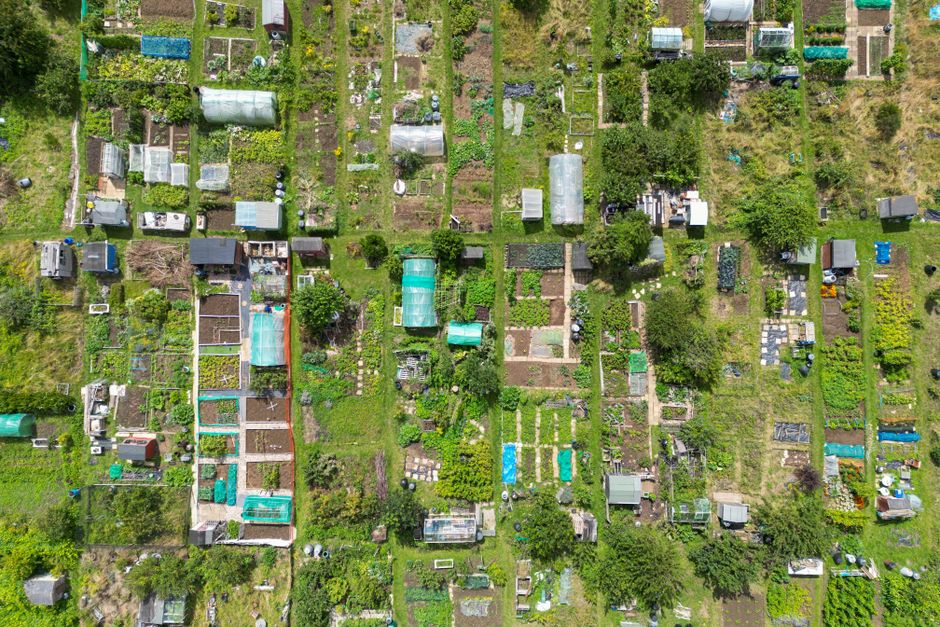
The pursuit of sustainable living and heightened food security has led many to reconsider conventional gardening practices. Permaculture, a design science rooted in observing and mimicking natural ecosystems, offers a powerful framework for transforming home gardens into productive, resilient, and self-sustaining systems. This holistic approach, increasingly relevant globally—from the temperate climates of Argentina to diverse Latin American landscapes—equips gardeners with the tools to cultivate not just food, but thriving ecological communities.
Enhancing Soil Health and Water Efficiency
At the core of permaculture lies the principle of “feeding the soil, not the plant.” This fundamental concept drives several key techniques aimed at building robust, living soil and optimizing water use.
Composting and Nutrient Cycling
Composting kitchen scraps, garden trimmings, and other organic matter is paramount. This process enriches the soil with humus, improving its structure, increasing water retention capacity, and fostering a diverse microbial ecosystem essential for nutrient availability. Whether through hot composting, cold composting, or vermicomposting with worms, returning organic matter to the earth closes nutrient loops and reduces waste.
- Actionable Tip: Start a simple compost pile or a small worm farm (vermicomposter) to process organic kitchen and garden waste. Ensure a good mix of ‘greens’ (nitrogen-rich) and ‘browns’ (carbon-rich).
- Resource: For detailed guidance on home composting, consult resources like the U.S. Environmental Protection Agency: https://www.epa.gov/recycle/composting-home
Strategic Mulching
Applying a layer of organic material—such as straw, wood chips, leaves, or shredded cardboard—to the soil surface, known as mulching, offers multifaceted benefits. Mulch suppresses weed growth, conserves soil moisture by reducing evaporation, moderates soil temperature fluctuations, and gradually adds organic matter and nutrients as it decomposes.
- Example: Use a thick layer of straw around heat-loving plants like tomatoes to keep roots cool and moist, or apply wood chips to perennial beds for long-term soil improvement and weed control.
- Resource: The Royal Horticultural Society provides excellent information on the benefits and types of mulch: https://www.rhs.org.uk/soil/mulch
Water Harvesting and Conservation
Permaculture emphasizes capturing and storing water where it falls, minimizing runoff, and maximizing infiltration. Techniques include installing rain barrels to collect rainwater from rooftops, creating swales (shallow ditches on contour) to slow, spread, and sink water into the landscape, and designing garden beds to capture rainfall efficiently.
- Actionable Tip: Install a rain barrel connected to a downspout to collect water for irrigation. For sloped areas, consider creating small, level earth berms (mini-swales) to prevent runoff and encourage water absorption.
Fostering Biodiversity and Productive Guilds
Moving beyond monocultures, permaculture designs embrace biodiversity, creating complex, resilient plant communities that support each other and the wider ecosystem.
Companion Planting and Polycultures
Companion planting involves growing specific plants together that mutually benefit each other, enhancing growth, deterring pests, or attracting beneficial insects. Polycultures, or diverse plantings, mimic natural plant associations, creating more stable and productive systems than single-crop cultivation.
- Example: The traditional “Three Sisters” planting of corn, beans, and squash exemplifies a polyculture where corn provides a stalk for beans to climb, beans fix nitrogen in the soil, and squash shades the ground, suppressing weeds and retaining moisture.
- Resource: The Old Farmer’s Almanac offers a comprehensive companion planting chart: https://www.almanac.com/companion-planting-chart
Creating Food Forests and Stacking Functions
Food forests are multi-layered perennial plant communities designed to mimic the structure and function of natural forests, maximizing space and yield. This involves designing distinct layers: a tall canopy (fruit or nut trees), an understory (smaller fruit trees), a shrub layer (berries), an herbaceous layer (herbs, vegetables), a groundcover layer, and a rhizome layer (root crops).
- Trend: Urban food forests are gaining traction globally, demonstrating how even smaller spaces can be transformed into highly productive, biodiverse ecosystems.
Attracting Beneficial Wildlife
Integrating elements that attract beneficial insects and wildlife is crucial for natural pest control and pollination. This includes planting native flowering plants, creating small water features, and providing shelter (e.g., log piles, insect hotels) for pollinators, predators, and other helpful creatures.
Observational Design and Zonation
Effective permaculture design begins with keen observation and strategic placement of elements within the garden.
The Power of Observation
Before implementing any design, permaculture advocates for extensive observation of the site. Understanding sun paths throughout the seasons, prevailing wind directions, water flow patterns, and existing microclimates is fundamental. This informs the optimal placement of plants, structures, and water management systems.
- Actionable Tip: Keep a detailed garden journal for at least one full year, noting seasonal changes in light, shade, wind, and rainfall across different areas of your garden.
Zonation and Sector Analysis
Permaculture design organizes the garden into zones based on the frequency of human interaction and energy input. Zone 1 typically encompasses plants requiring daily attention (e.g., herbs, salad greens) close to the house. Zone 2 might include perennial vegetables and small fruit trees needing less frequent visits. Further zones extend outwards to less intensively managed areas. Sector analysis considers external energies (sun, wind, water flow, potential fire hazards) to strategically place elements that interact with or mitigate these forces, such as windbreaks or passive solar structures.
- Example: Placing your compost bin in Zone 2, easily accessible but not directly adjacent to the main living areas, or planting a hedge as a windbreak on the side of your garden exposed to harsh winds.
Conclusion
Permaculture offers a comprehensive, ecological framework for home gardening, moving beyond mere cultivation to conscious design. By integrating principles of soil health, water conservation, biodiversity, and thoughtful observation, gardeners can cultivate not just abundant food, but resilient, self-sustaining ecosystems. Embracing these techniques contributes to increased productivity, reduced resource inputs, enhanced biodiversity, and ultimately, a more harmonious relationship with the natural world, fostering local food security and environmental well-being for generations to come.
Related Articles

Horticultural Nematode Management: Diagnosis & Strategies
Details the biology of plant-parasitic nematodes and integrated pest management (IPM) strategies for vegetable gardens in the Río de la Plata region.

Seed Viability: Critical Factors, Advanced Storage, and Climate Resilience
Seed preservation: optimize viability with drying, refrigeration, and monitoring. Secure your genetic heritage.
Fruit Tree Optimization: Substrate, Irrigation, Pruning, and Integrated Pest Management
Establishment, water management, specific nutrition, training pruning, and integrated pest control for fruit trees in diverse climates.

Aquatic Garden Ecosystems: Design, Management, Biodiversity, Aesthetics
Establishing garden ponds: planning, flora/fauna selection, natural filtration, and maintenance for a sustainable aquatic habitat.