Zea Mays Cultivation in Argentina: Agronomic Principles and Sustainable Strategies
Understand the key agronomic principles and sustainable strategies driving maize cultivation, Zea Mays, across Argentina's diverse agricultural landscapes.
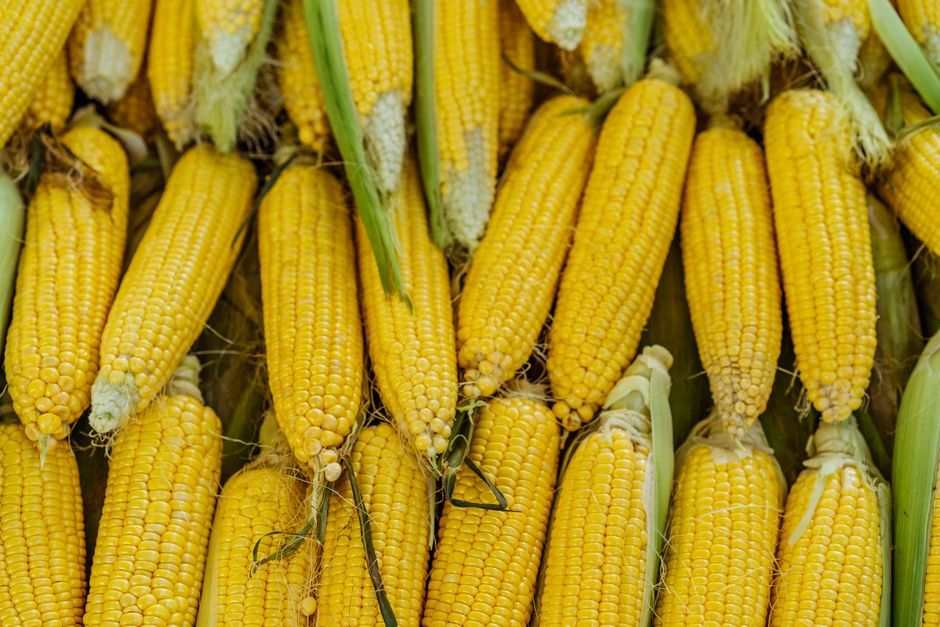
Argentina stands as a pivotal player in the global agricultural landscape, particularly in the production of maize (Zea Mays). This vital cereal, deeply embedded in the nation’s economic and cultural fabric, underpins significant sectors ranging from livestock feed to biofuel production. The country’s unique geographical and climatic conditions, especially the fertile Pampean region, provide an ideal environment for large-scale maize cultivation. However, successful production hinges on a profound understanding of agronomic principles, coupled with the adoption of innovative and sustainable strategies to navigate environmental challenges and market demands. This exploration delves into the scientific underpinnings and practical applications that define modern maize farming in Argentina, emphasizing efficiency, productivity, and ecological stewardship.
Climate and Soil Requirements for Optimal Zea Mays Growth
The success of maize cultivation in Argentina is inextricably linked to its specific climatic and edaphic conditions. The vast Pampean region, stretching across provinces like Buenos Aires, Santa Fe, Córdoba, and Entre Ríos, is the epicenter of maize production, characterized by its deep, fertile, well-drained loamy soils rich in organic matter.
Key climatic factors include:
- Temperature: Maize is a warm-season crop, requiring average temperatures between 20-30°C during its growing cycle. Frost-free periods are crucial, especially during flowering and grain filling.
- Rainfall: Adequate and well-distributed rainfall, typically between 600-900 mm during the growing season, is vital. The Pampean region generally receives sufficient precipitation, but variability, including periods of drought or excessive rain, poses significant challenges.
- Solar Radiation: High levels of solar radiation are essential for photosynthesis and optimal yield accumulation.
Farmers in Argentina often leverage detailed climate data and forecasting tools to inform planting decisions, adapting sowing dates to minimize risks associated with adverse weather events. Soil analysis is also a standard practice to determine nutrient availability and pH levels, ensuring the soil environment is optimized for Zea Mays.
Agronomic Practices and Technological Advancements
Modern maize farming in Argentina embraces a blend of traditional knowledge and cutting-edge technology to enhance productivity and resource efficiency.
Core agronomic practices include:
- Hybrid Varieties: The widespread adoption of high-yielding hybrid maize varieties, specifically developed for local conditions, has been a cornerstone of increased production. These hybrids offer improved disease resistance, stress tolerance, and higher genetic yield potential.
- Direct Seeding (No-Till Farming): Argentina is a global leader in no-till farming, a practice that minimizes soil disturbance. This technique significantly reduces soil erosion, conserves soil moisture, improves soil structure, and sequesters carbon, contributing to sustainable land management. More information on no-till practices can be found via the National Institute of Agricultural Technology (INTA): https://inta.gob.ar/documentos/siembra-directa-y-manejo-de-cultivos-de-cobertura
- Integrated Pest Management (IPM): To combat pests like the fall armyworm (Spodoptera frugiperda) and various diseases, farmers employ IPM strategies. This involves a holistic approach combining biological controls, resistant varieties, targeted chemical applications, and cultural practices to minimize ecological impact while protecting crops.
- Precision Agriculture: The integration of GPS-guided machinery, variable rate technology for fertilizer and seed application, and remote sensing (e.g., satellite imagery, drones) allows for highly precise management. This optimizes input use, reduces waste, and tailors interventions to specific field zones, maximizing efficiency.
These advancements, often supported by research from institutions like INTA, enable Argentine farmers to achieve higher yields while striving for environmental responsibility. For general insights into maize cultivation in Argentina, consult INTA’s resources: https://inta.gob.ar/noticias/el-maiz-en-argentina-un-cultivo-clave-y-en-expansion
Water Management and Sustainable Production Strategies
Water is a critical resource, and its efficient management is paramount for sustainable maize production, especially given climate variability. The Food and Agriculture Organization (FAO) often highlights sustainable agriculture practices relevant to regions like Argentina: https://www.fao.org/americas/areas-de-trabajo/agricultura-sostenible/es/
Sustainable strategies include:
- Efficient Irrigation Systems: While much of Argentine maize is rainfed, supplementary irrigation systems, such as central pivot irrigation, are increasingly utilized in drier regions or during periods of drought to ensure stable yields. Emphasis is placed on scheduling irrigation based on crop needs and soil moisture monitoring.
- Crop Rotation: Rotating maize with other crops like soybeans, wheat, or cover crops (e.g., vetch, rye) helps break pest and disease cycles, improves soil fertility through nitrogen fixation (legumes), and enhances soil organic matter. This practice is fundamental for long-term soil health.
- Cover Crops and Mulching: Planting non-cash crops (cover crops) during fallow periods or leaving crop residues on the soil surface (mulching) protects the soil from erosion, suppresses weeds, and contributes to soil moisture retention and nutrient cycling.
- Nutrient Management: Balanced fertilization, guided by soil tests, ensures crops receive necessary nutrients without excess application, which can lead to environmental pollution. Techniques like split application or using slow-release fertilizers are common.
These practices collectively contribute to resilient agricultural systems, mitigating the environmental footprint of maize production while securing food and feed supplies.
Conclusion: Argentina’s maize sector exemplifies a dynamic interplay between natural endowments, scientific research, and farmer ingenuity. The continuous evolution of agronomic practices, from the adoption of high-yielding hybrids and no-till farming to advanced precision agriculture and integrated pest management, underscores a commitment to both productivity and sustainability. As global demands for food and feed continue to rise, Argentina’s strategic approach to Zea Mays cultivation offers valuable insights into fostering robust and environmentally conscious agricultural systems capable of facing future challenges. The ongoing pursuit of innovative solutions ensures that maize remains a cornerstone of the nation’s agricultural prosperity, balancing economic vitality with ecological stewardship.
Related Articles

Argentine Corn: Genetic Innovation, Soil and Water Management for Peak Productivity
Enhance corn cultivation with advanced genetics, precise fertilization, and efficient water management for profitable and sustainable harvests.

Quinoa in Argentina: Adaptation, Cultivation, and Strategic Potential
Understand the adaptability, cultivation techniques, and nutritional value of quinoa in Argentina, a key pseudocereal for food security.

Agronomic Practices and Innovations in Sustainable Sweet Potato (*Ipomoea batatas*) Production
Covers soil preparation, propagation, nutrition, pest and disease control, curing, and advancements in varieties and precision agriculture for sweet potatoes.
Crop Rotation: An Agroecological Strategy for Soil Fungal Disease Control
Alternating plant species to disrupt soilborne fungal pathogen cycles, enhance fertility, and foster the soil microbiome.