Grow Your Own Oasis: Top Edibles for Thriving Container Gardens
Transform any small space into a productive garden. Discover the best vegetables and herbs that flourish in containers, along with essential tips for success.

In an increasingly urbanized world, the dream of fresh, homegrown produce often feels out of reach for those without expansive backyards. But what if your balcony, patio, or even a sunny windowsill could become a vibrant, productive edible garden? Welcome to the rewarding world of container gardening, a practice that empowers anyone, anywhere, to cultivate their own delicious harvest. It’s more than just a trend; it’s a sustainable lifestyle choice, offering convenience, control, and the unparalleled satisfaction of eating what you’ve grown.
Why Container Gardening? The Freedom to Grow Anywhere
Container gardening breaks down the traditional barriers to horticulture, making it accessible to city dwellers and those with limited space. The benefits extend far beyond convenience:
- Space Efficiency: Maximize small areas like balconies, patios, rooftops, or even small courtyards. Vertical gardening solutions further amplify your growing potential.
- Portability: Move plants to optimize sun exposure, protect them from harsh weather, or simply rearrange your space. This flexibility is invaluable in diverse climates.
- Pest and Disease Control: It’s often easier to isolate and treat individual plants, preventing widespread infestations. Raising plants off the ground can also deter some common garden pests.
- Soil Quality Control: You dictate the soil mix, ensuring optimal drainage and nutrient content for each plant, free from native soil challenges like compaction or poor fertility.
- Accessibility: For those with mobility challenges, elevated containers or raised beds make gardening more comfortable and enjoyable.
- Water Management: While containers can dry out faster, they also allow for precise watering, reducing waste and ensuring plants get exactly what they need.
This method isn’t just about growing food; it’s about cultivating a connection to nature, no matter your surroundings. For more insights into the general benefits, the Royal Horticultural Society offers excellent resources on container gardening fundamentals: https://www.rhs.org.uk/advice/grow-your-own/containers
Top Performers: What Thrives in Pots?
The key to a successful container garden lies in selecting plants well-suited to pot life. Not all vegetables and herbs are created equal when it comes to confined root spaces. Here’s a guide to some of the best:
Herbs: The Aromatic Powerhouses
Most herbs are incredibly versatile and forgiving in containers. They demand little space and offer continuous harvests.
- Basil: Loves warmth and sun. Pinch back regularly for bushier growth.
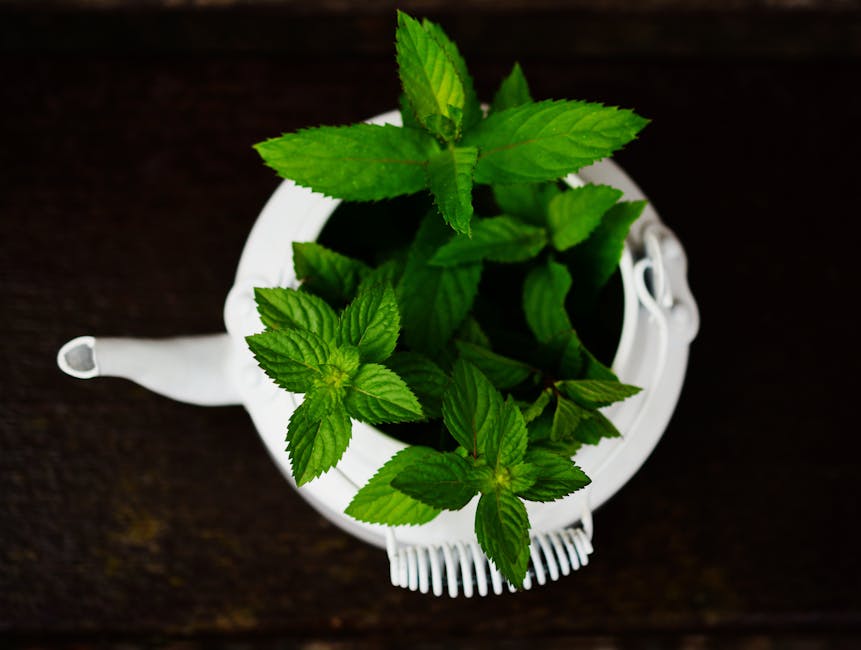
- Mint: A vigorous grower, mint prefers containers to prevent it from taking over your garden bed. Keep it well-watered.
- Rosemary & Thyme: Drought-tolerant once established, perfect for sunny, well-draining spots.
- Parsley & Cilantro: Prefer cooler temperatures; plant in partial shade during hotter months.
- Oregano: Similar to rosemary and thyme, thrives in sunny, dry conditions.
Leafy Greens: Quick & Continuous Harvests
These are ideal for ‘cut-and-come-again’ harvesting, providing multiple meals from a single planting.
- Lettuce (Loose-leaf varieties): Many varieties like ‘Black Seeded Simpson’ or ‘Buttercrunch’ do wonderfully. Plant in wide, shallow containers.
- Spinach & Arugula: Fast-growing and perfect for spring and fall. Provide some afternoon shade in hot climates.
- Swiss Chard & Kale: More heat-tolerant than lettuce, these can produce for extended periods in larger pots.
Fruiting Vegetables: Compact Wonders
For a truly bountiful harvest, look for dwarf or determinate varieties bred for container growing.
- Tomatoes: Choose ‘bush’ or ‘determinate’ varieties like ‘Patio,’ ‘Tiny Tim,’ or ‘Roma.’ Indeterminate (vining) varieties can work in very large containers with strong staking.
- Peppers: Bell peppers, jalapeños, and other chili peppers thrive in pots. They love sun and warmth.
- Eggplant: Look for compact varieties such as ‘Patio Baby’ or ‘Fairy Tale.’
- Bush Beans: Unlike pole beans, bush beans don’t need extensive trellising and are perfect for medium-sized pots.
- Strawberries: Excellent in hanging baskets or specialized strawberry pots, offering a sweet reward.
Root Vegetables: Dig Deep for Delight
While challenging, some root crops can be successful with the right approach.
- Radishes: Quick and easy in shallow, wide containers.
- Carrots: Opt for ‘short’ or ‘round’ varieties like ‘Danvers Half Long’ or ‘Paris Market’ in deep pots (at least 30 cm).
- Potatoes: Grow bags are fantastic for potatoes, allowing for easy harvesting and hilling. Learn more about growing potatoes in containers from resources like Gardener’s Supply Company: https://www.gardeners.com/how-to/grow-potatoes-in-containers/5405.html
Key Considerations: Always check seed packets for specific plant requirements regarding sun exposure, mature size, and recommended pot depth.
Cultivating Success: Essential Tips for Your Potted Garden
Even with the right plants, success in container gardening hinges on a few crucial practices:
-
Choose the Right Container:
- Size Matters: Larger pots offer more soil volume, which means more stable moisture and nutrient levels. Aim for at least 15-20 cm diameter for herbs, 25-30 cm for leafy greens, and 30-60 cm for fruiting vegetables.
- Drainage: Non-negotiable! Ensure every pot has drainage holes to prevent root rot. Elevate pots slightly if needed.
- Material: Terracotta breathes well but dries faster. Plastic retains moisture. Fabric grow bags offer excellent aeration and drainage.
-
Quality Potting Mix is Key:
- Never use garden soil directly; it compacts in pots and lacks aeration. Invest in a high-quality, lightweight potting mix designed for containers. Look for mixes containing perlite, vermiculite, and compost.
-
Watering Wisely:
- Containers dry out faster than garden beds. Check moisture daily by sticking your finger an inch or two into the soil. Water when the top inch feels dry.
- Water thoroughly until it drains from the bottom. Avoid frequent, shallow watering.
- Consider self-watering planters or drip irrigation for consistency, especially if you’re away often.
-
Nutrient Management:
- Potting mixes have limited nutrients. Start fertilizing about 3-4 weeks after planting. Use a balanced liquid organic fertilizer every 2-4 weeks, or incorporate slow-release granular fertilizer at planting.
- Compost tea is a fantastic, natural boost for your plants.
-
Sunlight is Non-Negotiable:
- Most edible plants require at least 6-8 hours of direct sunlight per day. Observe your space throughout the day to identify the sunniest spots.
- If natural light is scarce, consider supplemental grow lights for indoor container gardening.
-
Pest and Disease Vigilance:
- Regularly inspect your plants for signs of pests or disease. Early detection is key.
- Employ organic pest control methods like neem oil, insecticidal soap, or hand-picking pests. Companion planting can also deter some insects.
For a deeper dive into general gardening best practices, the National Gardening Association offers a wealth of knowledge: https://garden.org/learn/
Conclusion: Your Green Journey Awaits
Embarking on a container gardening journey is an incredibly rewarding experience. It’s a testament to human ingenuity and our innate desire to connect with nature, even in the smallest of spaces. From a handful of aromatic herbs on a kitchen sill to a diverse array of vegetables transforming a sun-drenched patio, the possibilities are endless. Start small, experiment with what thrives in your specific microclimate, and most importantly, enjoy the process. The taste of a freshly picked tomato or the aroma of homegrown basil is a simple pleasure that truly enriches life. So, grab a pot, some soil, and your chosen seeds – your personal edible oasis is just a few steps away. Happy gardening!
Related Articles

Summer Lawn Vitality: Managing Water, Nutrients, and Pests in Warm Climates
Master scientific approaches to maintaining a healthy lawn through summer's challenges, focusing on irrigation, nutrition, and pest management.

Optimizing Capsicum Cultivation: Varietal Selection, Nutrition, and Sustainable Phytosanitary Protection
Advanced agronomic methods for peppers and chilies: substrate, drip irrigation, nutrition, pruning, and IPM for abundant, resilient harvests.

Vegetative Propagation by Cuttings: Biological Basis and Horticultural Applications
Master vegetative propagation by cuttings, its biological foundations, and practical techniques for horticulture and gardening.
Elevate Your Cuisine: Cultivating a Thriving Home Herb Garden
Understand the joy of fresh flavors! Learn how to grow essential culinary herbs at home, from planting to harvesting, for vibrant dishes.