Cultivate Abundance: Crafting Your Own Potent Organic Fertilizers at Home
Transform your garden with cost-effective, homemade organic fertilizers, boosting soil health and plant vitality naturally for a thriving harvest.
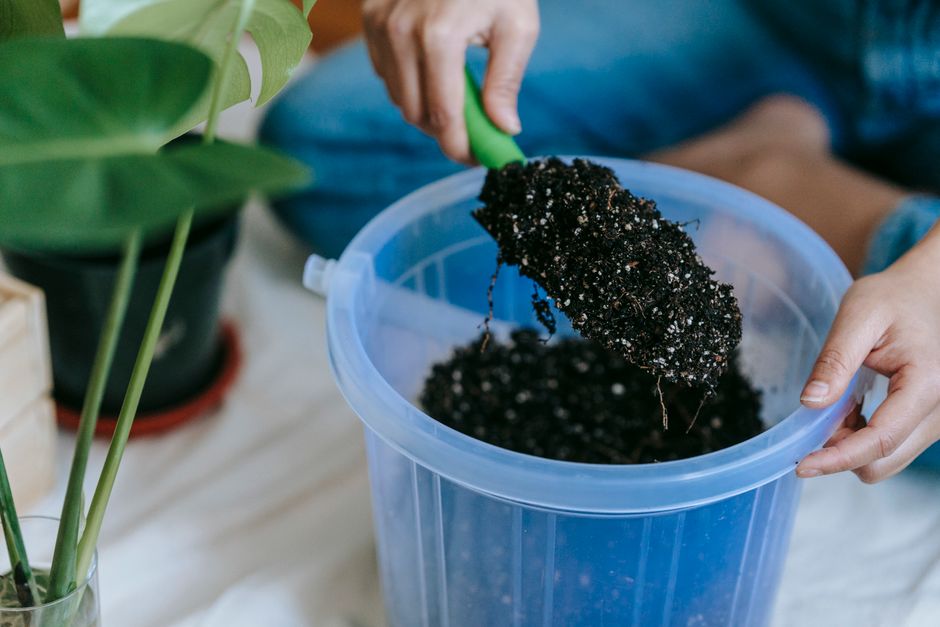
In a world increasingly turning towards sustainable living, the allure of a thriving home garden, bursting with life and vitality, is more potent than ever. For many, the journey into horticulture begins with a simple seed, but its true potential is unlocked by nurturing the soil—the very foundation of plant life. While commercial fertilizers offer convenience, there’s a profound satisfaction, not to mention significant benefits, in crafting your own organic plant food. This approach not only saves money but also fosters a deeper connection with your garden, ensuring a healthier, more vibrant ecosystem from the ground up.
This guide will empower you to transform everyday household waste into powerful elixirs for your plants, embracing practices that have been cherished by gardeners for generations. Imagine your tomatoes ripening with unparalleled flavor, your roses blooming with renewed vigor, all thanks to the natural nutrients you’ve provided. Let’s dig in and discover the secrets to a truly flourishing garden.
The Unbeatable Benefits of Homemade Organic Fertilizers
Opting for organic and homemade fertilizers is a game-changer for your garden and the environment. Unlike synthetic counterparts that can strip the soil of its natural microbial life and lead to nutrient runoff, organic options work in harmony with nature. Here’s why they are superior:
- Soil Health Enhancement: Organic fertilizers feed the soil’s intricate ecosystem, promoting beneficial microorganisms, earthworms, and fungi. This improves soil structure, aeration, and water retention, making your garden more resilient.
- Sustainable and Cost-Effective: You’re repurposing kitchen scraps and garden waste, reducing landfill contributions, and saving money on store-bought products. It’s a win-win for your wallet and the planet.
- Slow-Release Nutrients: Organic materials break down gradually, providing a steady supply of nutrients to plants over time. This reduces the risk of nutrient burn and ensures consistent growth.
- Safer for You and the Environment: Free from harsh chemicals, homemade fertilizers are safe for your family, pets, and the local ecosystem. You can enjoy your harvest knowing it’s grown without synthetic additives.
Embracing these methods aligns with a growing global trend towards permaculture and regenerative gardening, practices focused on building long-term soil fertility and biodiversity. For more on the benefits of organic gardening, consider resources like the Rodale Institute.
Essential Ingredients for Your DIY Fertilizer Arsenal
The beauty of homemade fertilizers lies in their accessibility. Many powerful ingredients are likely already in your kitchen or garden waste bin. Here’s a look at some common treasures:
- Kitchen Scraps: Banana peels, eggshells, coffee grounds, vegetable scraps, and even potato water are packed with vital nutrients.
- Garden Waste: Grass clippings (untreated), leaves, and wood ash (from untreated wood only) are excellent additions.
- Manure: If available, well-aged animal manure (from herbivores like cows, chickens, or horses) is a powerhouse of nutrients. Always ensure it’s composted or aged to prevent burning plants.
Before starting, remember to always use untreated materials. For instance, only use wood ash from natural wood, not treated lumber, which can contain harmful chemicals.
Simple Recipes for Potent Plant Food
Here are some actionable recipes to get you started, perfect for gardeners looking to enhance their plants’ vigor and yield.
1. Nutrient-Rich Compost Tea
Compost tea is a liquid gold for your garden, teeming with beneficial microbes and readily available nutrients. It’s fantastic for both foliar feeding and soil drenching.
Ingredients:
- 1 part finished compost (high quality is key)
- 5 parts non-chlorinated water (rainwater or tap water left out for 24 hours)
- A porous bag (burlap or old pillowcase) or a dedicated compost tea brewer
Instructions:
- Place compost into the porous bag and tie it securely.
- Submerge the bag in the water in a bucket or container.
- Stir daily or use an aerator (like a small aquarium pump) for 24-48 hours. Aeration significantly improves the quality of the tea.
- Remove the compost bag. The liquid is your compost tea.
Application: Dilute the tea with water (1:10 ratio) for foliar spray or apply undiluted as a soil drench around the base of plants. Use within 24 hours for maximum microbial benefit. Learn more about compost tea from Gardening Know How.
2. Banana Peel Boost (Potassium & Phosphorus)
Banana peels are a fantastic source of potassium, crucial for flowering and fruiting, and also contain phosphorus and calcium.
Method 1: Direct Burial: Chop peels into small pieces and bury them 2-4 inches deep near the base of fruiting plants (tomatoes, peppers, roses).
Method 2: Banana Peel Tea: Soak 4-5 chopped banana peels in a gallon of water for a week. Strain the liquid and use it to water plants. You can also blend the peels with water for a quick, potent liquid feed.
3. Eggshell Calcium Power
Crushed eggshells provide calcium, essential for strong cell walls and preventing blossom end rot in tomatoes and peppers.
Instructions: Wash and dry eggshells thoroughly. Crush them into a fine powder (a coffee grinder works well). Sprinkle the powder around the base of plants, especially those prone to calcium deficiency. You can also add them to your compost pile.
4. Coffee Ground Nitrogen Fix
Used coffee grounds are slightly acidic and rich in nitrogen, beneficial for leafy greens and acid-loving plants like blueberries, azaleas, and hydrangeas.
Instructions: Sprinkle a thin layer of used coffee grounds directly onto the soil around plants. Avoid piling them too thick, as they can inhibit water penetration. Work them lightly into the topsoil. For more on using coffee grounds, check out The Old Farmer’s Almanac.
5. Wood Ash Potassium & Micronutrient Source
If you have a fireplace or fire pit (using only untreated wood), wood ash is a source of potassium, phosphorus, and various micronutrients. It also raises soil pH, so use it sparingly, especially in alkaline soils.
Instructions: Sprinkle a very light dusting of wood ash around plants, especially root vegetables and flowering plants. Incorporate it into the soil. Avoid using it near acid-loving plants. A little goes a long way!
Application Techniques and Best Practices
Knowing when and how to apply your homemade fertilizers is just as important as making them.
- Timing: Most plants benefit from feeding during their active growing season. For fruiting and flowering plants, apply at the start of blooming and fruit set.
- Frequency: Organic fertilizers are generally slow-release, so less frequent application is needed compared to synthetics. Every 2-4 weeks during the growing season is a good starting point.
- Observation: Pay close attention to your plants. Yellowing leaves might indicate nitrogen deficiency (try coffee grounds), while poor flowering could point to a lack of potassium (banana peels).
- Soil Testing: For a more precise approach, consider a soil test every few years. This will tell you exactly what your soil needs, preventing over-application of specific nutrients.
Remember that while homemade fertilizers are fantastic, they are part of a larger picture of good gardening practices, including proper watering, pest management, and appropriate plant selection.
Embrace the Journey to a Greener Garden
Venturing into the world of homemade organic fertilizers is a rewarding step towards a more sustainable and vibrant garden. It’s a practice that connects you intimately with the natural cycles of growth and decay, transforming what was once considered waste into the very essence of life for your plants. From the humble banana peel to the rich compost tea, each homemade concoction contributes to a healthier soil ecosystem, leading to more resilient plants and a bountiful harvest.
Start small, experiment with different recipes, and observe the incredible transformation in your garden. The journey of nurturing your soil with homemade goodness is not just about growing plants; it’s about cultivating a thriving, sustainable lifestyle. Happy gardening!
Related Articles

Cultivating Resilience: Essential Permaculture Strategies for Your Home Garden
Learn essential permaculture techniques to transform your home garden into a resilient, productive, and sustainable ecosystem for abundant harvests.

Unlocking Your Yard's Potential: Design an Eco-Friendly Rain Garden Today
Learn how rain gardens transform stormwater runoff into vibrant, sustainable landscapes, enhancing biodiversity and managing water effectively.

Unlock Your Garden's Potential: The Art of Companion Planting for Thriving Harvests
Understand the secrets of companion planting to boost plant health, deter pests, and maximize yields in your garden with proven pairings.