Year-Round Lettuce: Cultivate Crisp Greens in Any Season
Unlock the secrets to continuous lettuce harvests, ensuring fresh, homegrown greens are always on your table, regardless of the season.
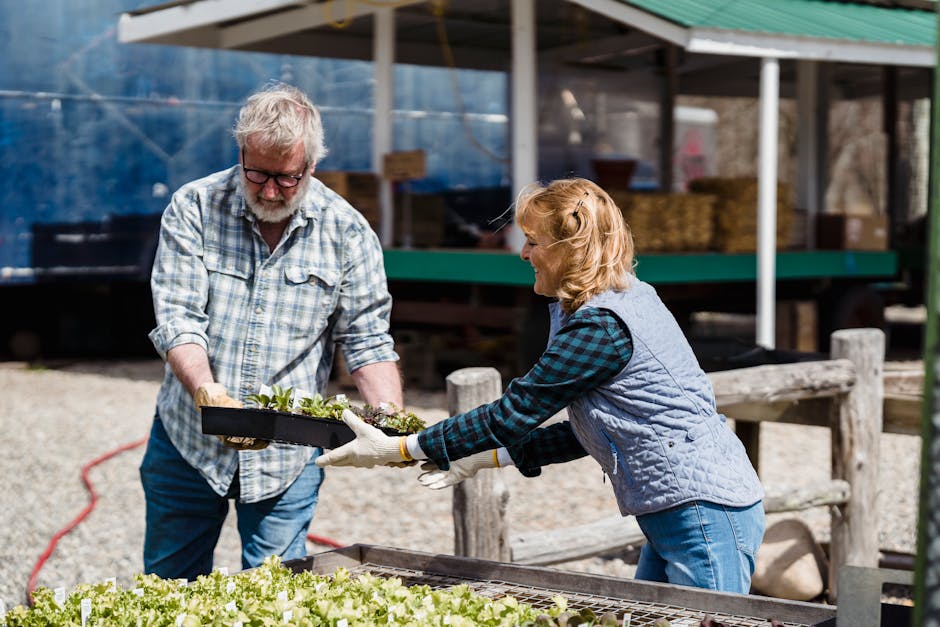
Imagine a constant supply of crisp, fresh lettuce, plucked directly from your garden, regardless of the season. This isn’t a gardener’s dream; it’s an achievable reality. Cultivating lettuce year-round transforms your kitchen, reduces grocery bills, and connects you more deeply with the rhythm of nature. Whether you’re a seasoned horticulturist or just starting your green journey, mastering the art of perpetual lettuce growing is a rewarding endeavor that promises a continuous bounty of vital greens.
Understanding Lettuce’s Core Needs
To grow lettuce successfully throughout the year, we must first understand its fundamental requirements. Lettuce (Lactuca sativa) is a cool-season crop, but with strategic planning and environmental control, its growing window can be extended indefinitely.
Light and Location
Lettuce thrives on abundant light, ideally 6-8 hours of direct sun daily. However, in hotter months, too much intense sun can lead to bolting (where the plant prematurely sends up a flower stalk and turns bitter). During summer, consider partial shade or use shade cloth to filter intense midday sun. In colder, shorter days, maximizing light exposure is crucial. South-facing locations, reflective surfaces, or supplemental grow lights indoors can make a significant difference.
Soil and Nutrients
A well-draining, fertile soil rich in organic matter is paramount. Lettuce prefers a pH between 6.0 and 7.0. Amend your soil with compost regularly to ensure a steady supply of nutrients. A balanced, slow-release organic fertilizer can also support vigorous growth. For container growing, a high-quality potting mix is essential. Regular, shallow watering is key, as lettuce has shallow roots and needs consistent moisture without becoming waterlogged. Mulching helps retain soil moisture and regulate temperature.
Temperature Management
This is perhaps the most critical factor for year-round success. Lettuce germinates best between 40-75°F (4-24°C) and grows optimally between 50-70°F (10-21°C).
- For Heat: Choose heat-tolerant varieties like ‘Black Seeded Simpson’ or ‘Buttercrunch’. Provide afternoon shade, keep soil consistently moist, and consider overhead watering in the morning to cool plants.
- For Cold: Select cold-hardy varieties such as ‘Arctic King’ or ‘Winter Density’. Utilize cold frames, cloches, row covers, or even mini-greenhouses to protect plants from frost and extend the season. Indoors, ensure adequate light and stable temperatures.
Season-Proofing Your Lettuce Patch
Achieving continuous harvests requires a blend of variety selection, strategic planting, and protective measures.
Succession Planting: The Heart of Continuous Harvests
Don’t plant all your lettuce seeds at once! Succession planting involves sowing small batches of seeds every 1-2 weeks. This ensures a staggered harvest, preventing an overwhelming glut of lettuce followed by a barren period. As one batch matures, another is ready to be harvested, and a new batch is sown. This method is fundamental to year-round production.
Variety Selection for All Seasons
Different lettuce types excel in varying conditions:
- Spring/Autumn: Loose-leaf varieties (‘Salad Bowl’, ‘Oakleaf’) and Romaine (‘Parris Island Cos’) are excellent choices.
- Summer: Look for heat-tolerant varieties specifically bred for warmer climates. Crispheads (‘Great Lakes’) can also perform well with proper care.
- Winter: Opt for very cold-hardy types like ‘Merveille des Quatre Saisons’ or ‘Rouge d’Hiver’.
Exploring seed catalogs from reputable sources like Johnny’s Selected Seeds (https://www.johnnyseeds.com/) can provide a wealth of information on specific variety performance.
Protective Measures Against Extremes
- Cold Frames & Row Covers: These simple structures are invaluable for extending the growing season into colder months. They trap solar heat and protect plants from frost, wind, and heavy rain. Learn more about building and using cold frames from resources like the Royal Horticultural Society (https://www.rhs.org.uk/advice/grow-your-own/vegetables/lettuce).
- Shade Cloth: Essential for hot summers, shade cloth reduces light intensity and temperature, preventing bolting and sunburn.
- Indoor Growing: For the deepest winter or when outdoor conditions are impossible, consider growing lettuce indoors under LED grow lights. Hydroponic systems, even small countertop units, can provide a steady supply of greens with minimal space.
Advanced Strategies for Perpetual Greens
Beyond basic care, integrating advanced techniques can further solidify your year-round lettuce supply.
Hydroponics and Aquaponics
These soilless growing methods offer precise control over nutrients and environment, making them ideal for consistent, high-yield lettuce production, especially indoors. Nutrient Film Technique (NFT) or Deep Water Culture (DWC) systems are popular for lettuce. University extension resources, such as those from Cornell University (https://www.gardening.cornell.edu/homegardening/scene033a.html), often provide detailed guides on setting up small-scale hydroponic systems.
Cut-and-Come-Again Harvesting
For loose-leaf varieties, instead of harvesting the entire plant, simply snip off the outer leaves. This allows the plant to continue producing new leaves from the center, extending its productive life significantly. This method is a cornerstone of continuous harvesting.
Pest and Disease Management
Year-round growing means year-round vigilance. Common lettuce pests include aphids, slugs, and leafminers. Employ organic pest control methods such as neem oil, insecticidal soap, or introducing beneficial insects. Ensure good air circulation to prevent fungal diseases like downy mildew. Regular garden inspection is your best defense.
Conclusion: Your Garden, Always Green
Growing lettuce year-round is a testament to the gardener’s ingenuity and dedication. By understanding lettuce’s specific needs, employing succession planting, selecting appropriate varieties, and utilizing protective measures, you can ensure a continuous harvest of fresh, delicious greens. Whether it’s through a simple cold frame, careful variety rotation, or even an indoor hydroponic setup, the satisfaction of harvesting your own lettuce, every single day, is an unparalleled joy. Embrace the challenge, enjoy the process, and savor the perpetual abundance from your vibrant, year-round lettuce patch.
Related Articles

Biological Cycle and Ecological Interactions of Gryllidae in Sustainable Horticulture
Examines cricket life cycles, their beneficial roles as detritivores and food sources, and their phytophagous impact in gardens.

Unlock Bountiful Harvests: Your Definitive Guide to Thriving Tomato Plants
Master the art of cultivating exceptional tomatoes in your home garden with this comprehensive guide to planting, care, and harvesting.

Garden Pond Design and Construction: Ecological and Technological Integration
Enhance your garden with ponds: we cover location, dimensions, filtration, liners, and plant selection for sustainable ecosystems.

Container Potato Cultivation: Growing and Managing Solanum tuberosum in Urban Spaces
A technical guide to growing potatoes in pots: variety selection, soil, watering, and harvesting for urban gardens.