Mastering Argentina's Garden: Your Essential Planting Calendar for Thriving Harvests
Unlock Argentina's diverse climates with this essential planting calendar, guiding gardeners to successful harvests year-round from Patagonia to the Pampas.

Argentina’s vast and varied landscapes offer a unique canvas for gardeners, from the subtropical north to the temperate central plains and the cold, arid south. This incredible diversity means that a single, universal planting calendar is insufficient. To truly thrive, Argentine horticulturists must understand the nuances of their specific microclimates and adapt their sowing strategies accordingly. This guide will equip you with the knowledge to cultivate a bountiful garden, celebrating the rich agricultural potential of this magnificent country.
Decoding Argentina’s Climatic Zones for Optimal Growth
Argentina’s geography is defined by distinct climatic zones, each presenting unique opportunities and challenges for the gardener. Understanding these zones is the first step to a successful planting strategy:
- Northwest (NOA - Salta, Jujuy, Tucumán): Characterized by high-altitude arid regions and subtropical valleys. Expect warm summers, mild winters, and distinct rainy seasons. Ideal for crops needing warmth and sunshine, but requiring careful water management in arid areas.
- Northeast (NEA - Misiones, Corrientes, Chaco, Formosa): Subtropical and humid, with hot, rainy summers and mild winters. This zone supports a wide array of tropical and subtropical fruits and vegetables, but humidity can bring fungal challenges.
- Central (Pampas - Buenos Aires, Córdoba, Santa Fe, Entre Ríos, La Pampa): Temperate climate with four distinct seasons. Summers are warm, winters are cool with occasional frosts. This is Argentina’s agricultural heartland, suitable for a vast range of common garden vegetables.
- Cuyo (Mendoza, San Juan, La Rioja): Arid to semi-arid, with significant thermal amplitude (hot days, cool nights). Irrigation is crucial, often sourced from Andean meltwater. Famous for viticulture, but also excellent for many vegetables with proper water management.
- Patagonia (Neuquén, Río Negro, Chubut, Santa Cruz, Tierra del Fuego): Cold and arid, with strong winds and short growing seasons. Frosts are common and can occur almost year-round in some areas. Focus on hardy, quick-maturing crops and protective measures like greenhouses.
By identifying your specific zone, you can tailor your planting schedule to align with local temperature patterns, rainfall, and frost dates, maximizing your garden’s potential.
Seasonal Sowing: A Tailored Guide for Argentine Gardeners
While microclimates vary, a general seasonal approach provides a robust framework. Remember to consult local resources for precise frost dates in your area.
Spring (September - November): The Season of Renewal
As temperatures rise and frost risk diminishes, spring is prime time for planting. Soils warm, encouraging germination and vigorous growth. This is when most gardeners eagerly begin their main season.
- What to Plant: Tomatoes, peppers, eggplants, corn, beans, squash, zucchini, melons, cucumbers, basil, parsley, carrots, radishes, lettuce, chard, spinach. For cooler zones, start with cold-hardy varieties and protect new seedlings.
- Actionable Tip: Harden off seedlings started indoors before transplanting. Prepare beds with generous amounts of compost. Consider early-season succession planting for leafy greens.
Summer (December - February): Harnessing the Sun’s Power
Summer brings intense heat and longer days, ideal for sun-loving crops. In many regions, this is when fruits mature rapidly.
- What to Plant: Continue succession planting for quick-growing crops like lettuce (in shaded areas), radishes, and beans. Heat-tolerant varieties of tomatoes and peppers will thrive. Sweet potatoes can be planted in warmer zones. Cover crops can be sown in empty beds to improve soil.
- Actionable Tip: Focus on consistent irrigation, especially in arid regions like Cuyo. Apply a thick layer of mulch to retain soil moisture and regulate temperature. Provide shade for heat-sensitive plants during the hottest parts of the day.
Autumn (March - May): Preparing for Cooler Days
Autumn’s milder temperatures and often increased rainfall make it an excellent time for planting cool-season crops and preparing for winter.
- What to Plant: Broccoli, cauliflower, cabbage, kale, spinach, chard, lettuce (cold-hardy varieties), peas, broad beans, garlic, onions, leeks, carrots, beets, radishes, parsnips. Cover crops like oats or vetch are beneficial.
- Actionable Tip: Clean up spent summer crops to prevent pest and disease carryover. Amend beds with compost to build soil fertility for the next season. Plant garlic and onions in colder zones for spring harvest.
Winter (June - August): Nurturing Through the Cold
Winter often means colder temperatures and frost. While growth slows, many hardy vegetables can still be grown, especially in milder zones or with protection.
- What to Plant: Hardy greens like kale, spinach, and some lettuce varieties in protected environments (cold frames, tunnels). Broad beans and peas can be sown in milder regions. Garlic and onions planted in autumn will be developing roots.
- Actionable Tip: Protect sensitive plants from frost using row covers, cloches, or moving potted plants indoors. Focus on soil building with cover crops or adding organic matter. Plan your spring garden layout during this quieter period.
Example Planting Schedule (General Temperate Zone - Pampas):
| Crop | Spring (Sep-Nov) | Summer (Dec-Feb) | Autumn (Mar-May) | Winter (Jun-Aug) |
|---|---|---|---|---|
| Tomatoes | Plant seedlings | Harvest, succession | End, clean up | Planning |
| Lettuce | Plant/Harvest | Plant (shade) | Plant/Harvest | Hardy varieties |
| Carrots | Plant | Harvest, succession | Plant | Overwinter |
| Garlic | Plant | Growing | ||
| Broccoli | Plant seedlings | Growing |
Cultivating Success: Key Practices for the Argentine Garden
Beyond timing, several practices ensure a thriving garden across Argentina’s diverse conditions:
- Soil Health is Paramount: Regular soil testing helps understand nutrient deficiencies and pH. Incorporate generous amounts of compost and well-rotted organic matter to improve structure, water retention, and fertility. For arid regions like Cuyo, healthy soil is crucial for water efficiency.
- Water Management: Efficient irrigation is vital, especially in dry periods or arid zones. Drip irrigation or soaker hoses minimize water waste. Mulching with straw, wood chips, or leaves significantly reduces evaporation, suppresses weeds, and moderates soil temperature.
- Pest and Disease Control: Implement organic strategies. Encourage beneficial insects by planting flowering herbs and native plants. Practice crop rotation to break pest and disease cycles and maintain soil vitality. Inspect plants regularly for early detection.
- Regional Adaptations: In Patagonia, consider raised beds and windbreaks, or even low tunnels and greenhouses to extend the short growing season. In the humid NEA, ensure good air circulation to prevent fungal issues. In Cuyo, select drought-tolerant varieties and prioritize water conservation.
For further regional guidance and agricultural best practices in Argentina, the Instituto Nacional de Tecnología Agropecuaria (INTA) is an invaluable resource: https://inta.gob.ar/
Conclusion: Your Garden, Your Argentine Legacy
Gardening in Argentina is a journey of discovery, connecting you deeply with the land and its rhythms. By understanding your specific climatic zone, adhering to a thoughtful planting calendar, and implementing sound horticultural practices, you can transform your plot into a vibrant, productive oasis. Embrace the challenge, learn from each season, and savor the unique flavors that your Argentine garden will yield. Your hands-on effort not only enriches your table but also contributes to a more sustainable and connected way of life, celebrating the rich agricultural heritage of this incredible nation.
Related Articles

Attracting Pollinators to Your Garden: Strategies for Biodiversity and Productivity
Learn how to create a pollinator haven in your garden with native plants and sustainable practices to boost food production.
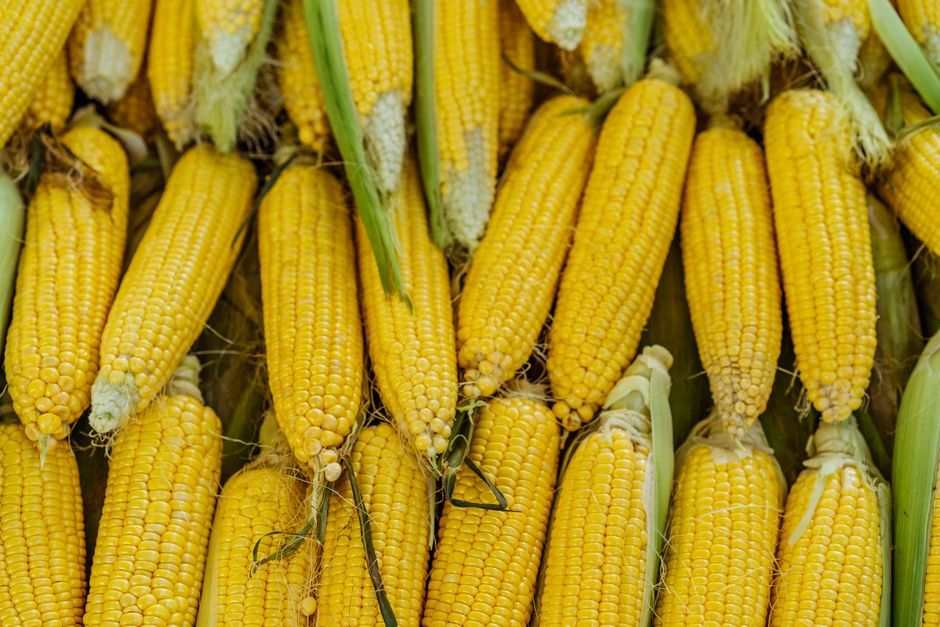
Zea Mays Cultivation in Argentina: Agronomic Principles and Sustainable Strategies
Understand the key agronomic principles and sustainable strategies driving maize cultivation, Zea Mays, across Argentina's diverse agricultural landscapes.

Persimmon (*Diospyros kaki*) Cultivation: Requirements, Management, and Trends
Details climate, soil, propagation, pruning, irrigation, nutrition, and harvesting for persimmon production, focusing on sustainability and new varieties.

Mediterranean Garden Design: Principles, Plants, Water Management
Integrate water efficiency, resilient flora, and natural materials. Optimize resources and promote resilience in variable climates.