Elevate Your Culinary Creations: Growing Aromatic Herbs for Unmatched Flavor
Transform your cooking with fresh, homegrown aromatic herbs. Discover essential tips for cultivating a thriving herb garden, from planting to harvesting.
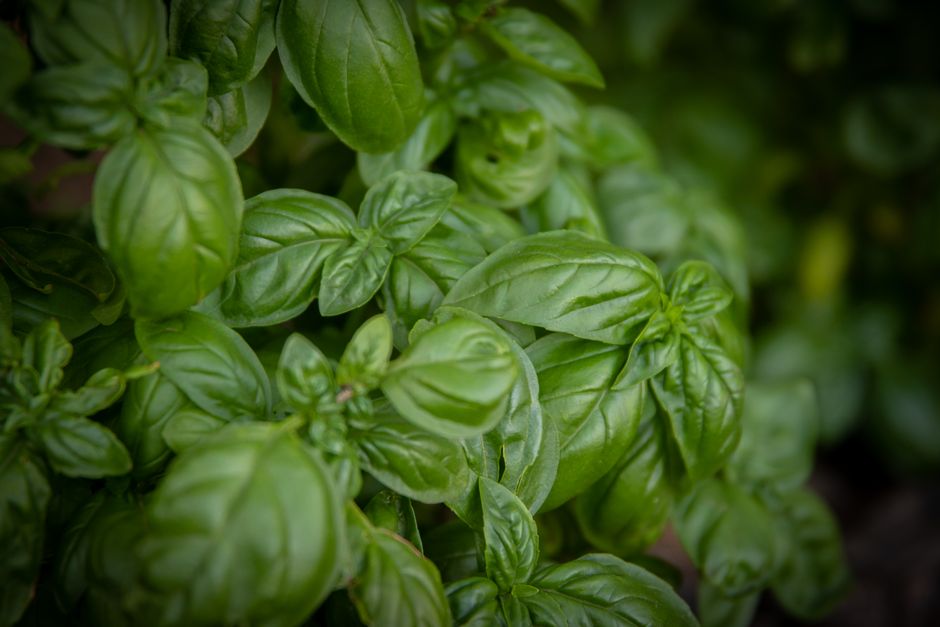
The scent of fresh basil, the earthy aroma of rosemary, the bright zest of cilantro – imagine these vibrant flavors not from a supermarket shelf, but from your own garden. Cultivating aromatic herbs at home is a deeply rewarding experience that bridges the gap between garden and kitchen, offering a continuous supply of fresh, potent ingredients that can elevate any dish. Beyond the culinary delight, tending to an herb garden provides a calming connection to nature, a small patch of green vitality that enriches both your plate and your soul.
Whether you have a sprawling backyard or a sunny windowsill, the world of aromatic herbs is accessible to everyone. This post will guide you through establishing and maintaining your own fragrant oasis, ensuring your kitchen is always stocked with the freshest flavors imaginable.
Choosing Your Culinary Companions: A World of Flavor at Your Fingertips
Selecting the right herbs is the first step towards a thriving culinary garden. Consider your cooking preferences, local climate, and available space. Some herbs thrive in full sun, while others prefer a bit of shade. Here are some popular choices that are relatively easy to grow and incredibly versatile:
- Basil (Ocimum basilicum): A warm-weather annual, essential for Italian cuisine, pesto, and salads. Needs plenty of sun and consistent moisture.
- Rosemary (Rosmarinus officinalis): A woody perennial, perfect for meats, roasted vegetables, and infusing oils. Drought-tolerant once established, loves full sun.
- Thyme (Thymus vulgaris): Another woody perennial with small, fragrant leaves, ideal for savory dishes, stews, and poultry. Prefers full sun and well-drained soil.
- Mint (Mentha spp.): A vigorous perennial, excellent for teas, desserts, and cocktails. Be cautious – it spreads aggressively, so container planting is often recommended.
- Oregano (Origanum vulgare): A robust perennial, a staple in Mediterranean and Mexican dishes. Thrives in full sun and well-drained soil.
- Parsley (Petroselinum crispum): A biennial (often grown as an annual), available in flat-leaf and curly varieties. A versatile garnish and flavor enhancer. Prefers partial shade in hot climates.
- Cilantro (Coriandrum sativum): A fast-growing annual, integral to Latin American, Asian, and Indian cuisines. Tends to bolt in hot weather, so succession planting is key.
When choosing, think about how you’ll use them. Do you want to infuse oils, create vibrant sauces, or simply garnish? Mixing sun-loving herbs with those that prefer a bit of afternoon shade in different pots or garden sections will optimize their growth.
Nurturing Your Herb Garden: Planting and Care Essentials
Once you’ve chosen your herbs, proper planting and care are crucial for their success. Most herbs prefer well-draining soil and ample sunlight, but their specific needs can vary.
Soil and Location
- Soil: Herbs generally prefer light, well-drained soil. If planting in the ground, amend heavy clay soils with organic matter like compost to improve drainage and fertility. For containers, a good quality potting mix designed for edibles is ideal. Avoid overly rich soils, as some herbs (like rosemary and thyme) can become less fragrant.
- Sunlight: Most culinary herbs thrive in at least 6 hours of direct sunlight per day. Basil, rosemary, thyme, and oregano are sun-worshippers. Parsley and mint can tolerate partial shade, especially in regions with intense summer heat.
- Container Gardening: For those with limited space or who wish to control aggressive spreaders like mint, containers are an excellent solution. Ensure pots have drainage holes to prevent waterlogging, which can be fatal to many herbs. Terracotta pots are popular as they allow the soil to breathe.
Watering and Feeding
- Watering: The key is consistency without overwatering. Feel the soil; if the top inch or two is dry, it’s time to water. Water deeply until it drains from the bottom of the pot or saturates the garden bed. Herbs like basil and mint require more frequent watering than drought-tolerant rosemary and thyme.
- Fertilization: Herbs generally don’t need heavy feeding. Over-fertilizing can reduce the concentration of essential oils, making them less aromatic. A light application of a balanced organic liquid fertilizer every few weeks, or incorporating compost into the soil at planting time, is usually sufficient. For more on organic feeding, resources like the Royal Horticultural Society (RHS) offer excellent guidance: https://www.rhs.org.uk/advice/grow-your-own/herbs
Pruning and Pest Management
- Pruning: Regular pruning is vital for bushy growth and preventing herbs from flowering (bolting), which can change their flavor. Pinch off the top sets of leaves on basil to encourage side branching. For woody herbs like rosemary and thyme, trim back about a third of the plant after it flowers to maintain shape and encourage new growth. This practice also extends the harvesting period.
- Pests: Most herbs are relatively pest-resistant due to their strong aromas. However, aphids, whiteflies, or spider mites can occasionally appear. First, try a strong spray of water to dislodge them. For more persistent issues, insecticidal soap or neem oil, applied according to product instructions, can be effective. Always opt for organic solutions when growing edibles.
Harvesting and Preserving for Year-Round Flavor
The true joy of growing herbs is the harvest. Knowing when and how to pick your herbs ensures maximum flavor and encourages the plant to produce more.
Optimal Harvesting Techniques
- Timing: The best time to harvest most herbs is in the morning after the dew has dried but before the sun gets too hot, as their essential oils are most concentrated. Avoid harvesting more than one-third of the plant at any one time to allow for continuous growth.
- Method: Use sharp scissors or pruners to make clean cuts. For leafy herbs like basil and mint, pinch off individual leaves or snip stems just above a leaf node. For woody herbs, cut sprigs as needed.
- Flowering: If your herbs start to flower (like basil or cilantro bolting), pinch off the flower buds immediately. This redirects the plant’s energy back into leaf production, maintaining flavor and extending the harvest.
Preserving Your Bountiful Harvest
To enjoy your homegrown flavors long after the growing season, consider these preservation methods:
- Drying: Air drying is simple for herbs with lower moisture content like rosemary, thyme, oregano, and bay leaves. Bundle sprigs together and hang them in a warm, dry, well-ventilated area away from direct sunlight. Alternatively, a food dehydrator or even a low oven can be used. Store dried herbs in airtight containers away from light and heat.
- Freezing: This method works wonderfully for herbs with higher moisture content, such as basil, parsley, cilantro, and chives, as it preserves their fresh flavor and color better than drying. Chop herbs finely, place them in ice cube trays, cover with a little water or olive oil, and freeze. Once solid, transfer the herb cubes to freezer bags.
- Infused Oils and Vinegars: Create your own gourmet infused oils or vinegars with herbs like rosemary, thyme, or oregano. Ensure herbs are thoroughly clean and dry to prevent spoilage. These make excellent gifts or additions to your pantry. For detailed safe infusion techniques, reputable sources like Oregon State University Extension provide valuable information: https://extension.oregonstate.edu/food/preservation/herbs-oils-vinegars
Conclusion: Savor the Flavor, Embrace the Journey
Embarking on the journey of growing your own aromatic herbs is more than just a gardening endeavor; it’s an invitation to a richer, more flavorful culinary life. From the vibrant greens of basil to the pungent notes of oregano, each herb offers a unique contribution to your kitchen and well-being. Start small, experiment with varieties that excite you, and don’t be afraid to get your hands dirty. The subtle art of tending to these fragrant plants will not only elevate your dishes but also provide a continuous source of joy and connection to the natural world. Happy growing, and happy cooking!
Related Articles

Urban Horticulture: Principles of Substrate, Irrigation, and Phytosanitary Management
Scientific guide for cultivation in small spaces, covering substrate, fertilization, irrigation, and pest control.
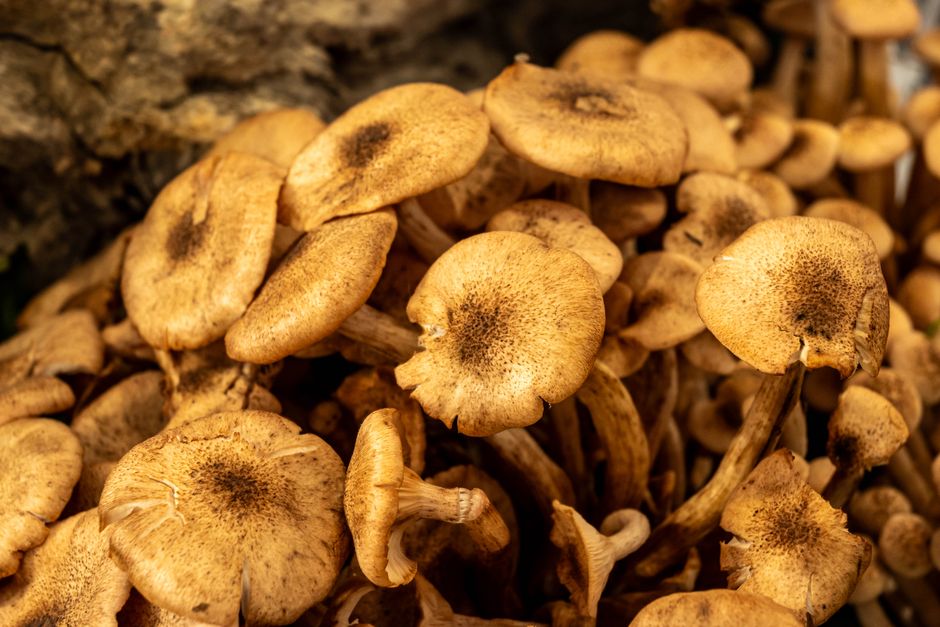
Armillaria mellea: Identification, Management & Biocontrol in Green Ecosystems
Morphological and molecular diagnosis of Armillaria mellea, with cultural management, biocontrol, and soil rehabilitation strategies.

Container Potato Cultivation: Growing and Managing Solanum tuberosum in Urban Spaces
A technical guide to growing potatoes in pots: variety selection, soil, watering, and harvesting for urban gardens.

Balcony Strawberry Cultivation: Variety Selection, Substrates, and Sustainable Management
Enhance strawberry cultivation in small spaces. Covers varieties, substrates, irrigation, nutrition, and biocontrol for successful harvests.