Whispers from the Garden: Deciphering the Ancient Language of Flowers
Understand the fascinating history and practical application of floriography, using flowers to convey unspoken messages in your garden and gifts.
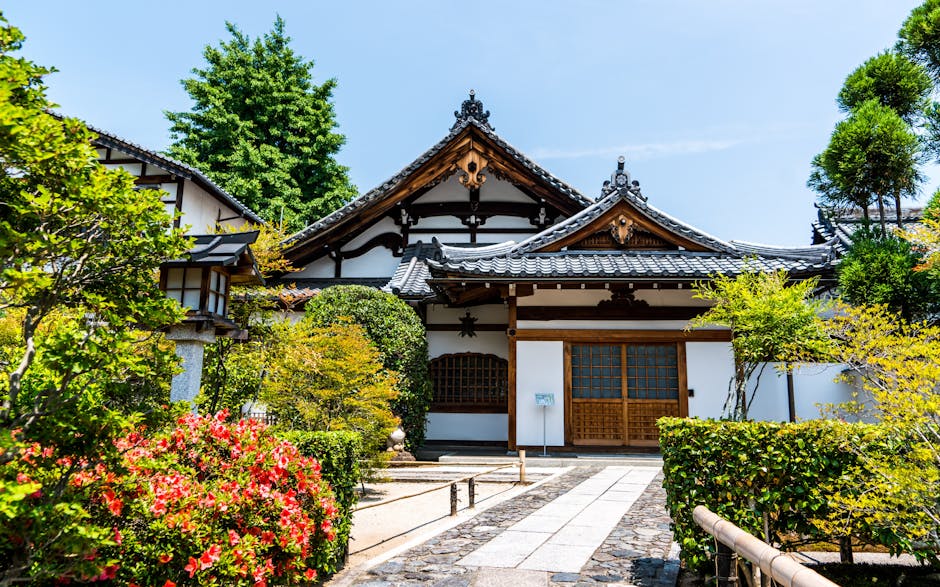
In a world buzzing with digital communication, there’s a profound beauty in the silent, timeless language that nature offers: floriography, the art of communicating through flowers. This ancient practice, often associated with the romantic Victorian era, allowed individuals to express emotions, send secret messages, and convey complex sentiments without uttering a single word. For horticulturists and garden enthusiasts, understanding this ‘language of flowers’ not only enriches the gardening experience but also transforms every bloom into a potential whisper of the heart.
The Roots of Floriography: A Historical Journey
The concept of assigning meanings to flowers dates back centuries, with notable influences from the Ottoman Empire, where the practice of selam (a system of communicating through objects and flowers) flourished. However, it was during the 19th-century Victorian era that floriography truly blossomed in the Western world. Bound by strict societal etiquette, people found an ingenious way to bypass verbal constraints by crafting messages through carefully chosen floral arrangements. Bouquets became coded letters, each flower, its color, and even its orientation holding specific meanings.
For instance, a red rose universally signifies passionate love, while a yellow rose traditionally conveyed friendship or jealousy, depending on the context. A lily often represents purity and refined beauty, and a sunflower, with its face turned towards the sun, speaks of adoration and longevity. This intricate system was so prevalent that numerous ‘language of flowers’ dictionaries were published, guiding senders and recipients alike through its subtle nuances. This historical context reminds us that our gardens are not merely collections of plants, but living libraries of stories and sentiments waiting to be rediscovered. For more on the history, the Smithsonian Libraries offer fascinating insights into this botanical communication: Smithsonian Libraries - The Language of Flowers.
Crafting Your Floral Messages: Practical Applications
Integrating floriography into your gardening and gifting practices adds a layer of depth and personal touch that is truly unique. It moves beyond simply selecting a beautiful flower to choosing one that carries a specific resonance for the occasion or recipient.
Tips for Intentional Floral Selection:
- Know Your Meanings: Familiarize yourself with common flower meanings. A simple online search for ‘flower meanings dictionary’ can provide a wealth of information.2. Consider the Occasion: * Celebrations (Birthdays, Graduations): Choose flowers that symbolize joy, success, or friendship. Daisies for innocence, gladiolus for strength of character, or yellow tulips for cheerful thoughts. * Sympathy: Lilies (purity, restoration), white roses (reverence, remembrance), or forget-me-nots (true love, remembrance). * Apologies/Forgiveness: White tulips (apology) or cyclamen (resignation, goodbye).3. Color Matters: Beyond the flower itself, color adds another layer of meaning. Red for love, pink for admiration, white for purity, yellow for friendship or joy, and purple for royalty or enchantment.4. Arrangement and Context: The way flowers are presented can also convey meaning. A single bloom might signify a simple, direct message, while a complex bouquet can tell a richer story. Consider adding herbs like rosemary (remembrance) or mint (virtue) for an even more nuanced message.
Example: For a friend recovering from an illness, a bouquet of yellow roses (friendship), daisies (innocence, new beginnings), and lavender (devotion, calm) would convey warmth, hope, and care, far beyond just being ‘pretty.‘
Beyond the Bouquet: Floriography in Modern Gardening
Floriography isn’t just for cut flowers; it can profoundly influence how we design and interact with our living gardens. Imagine a garden designed not just for aesthetics, but as a living narrative, a ‘story garden’ that speaks volumes to those who walk through it.
- Creating ‘Story Gardens’: Plant beds can be arranged to tell tales. A section dedicated to remembrance might feature rosemary, forget-me-nots, and white roses. A corner for love and passion could burst with red roses, tulips, and carnations. This approach elevates garden design to an art form, making your outdoor space a personal sanctuary of meaning.
- Thoughtful Garden Gifts: When gifting plants to fellow horticulturists or neighbors, consider the plant’s symbolic meaning. A potted basil plant (love, good wishes) for a new home, or a vibrant dahlia (elegance, dignity) for a mentor, carries a deeper sentiment than a generic choice. Exploring local flora and its unique symbolism in your region can also add a culturally rich layer to your choices.
- Therapeutic Connection: Understanding floriography can deepen your connection to your garden. As you tend to each plant, you’re not just nurturing a botanical specimen; you’re cultivating a sentiment, a wish, or a memory. This mindful approach to gardening can be incredibly therapeutic, fostering a sense of purpose and connection to the natural world.
Conclusion: Cultivating Meaning in Every Bloom
The language of flowers is a powerful testament to the enduring human desire for connection and expression. By delving into floriography, we don’t just learn about flowers; we learn about ourselves, our emotions, and the subtle ways we communicate. Whether you’re designing a garden, selecting a gift, or simply admiring a single bloom, embracing this ancient art allows you to cultivate not just beauty, but also profound meaning. Let your garden be a canvas for your unspoken words, a vibrant symphony of sentiments, and a constant source of inspiration. May every petal you encounter whisper a story worth hearing.
Related Articles

Neoclassical Gardens: Geometry, Botany, Sustainability
Harmonize geometric structure, sculptural botany, and classical ornamentation with sustainable practices for functional and aesthetic neoclassical gardens.

The Language of Flowers: Symbolism and Communication Through Botany
Master floriography, the art of communicating emotions and messages through flower symbolism and cultural meaning.

Design, Botanical Selection, and Sustainable Management of Alpine Rock Gardens
Optimizing mountain microhabitats through topographic analysis, draining substrates, lithic arrangement, and drought-resistant flora selection.

Modern Floriography: Floral Symbolism, Design, and Sustainable Cultivation in the 21st Century
Exploring contemporary floriography: symbolism, purposeful arrangement design, and sustainable cultivation for meaningful gardens.