Harvest Abundance: Your Guide to Thriving Beans, Peas, and Lentils in the Home Garden
Unlock the secrets to cultivating nutrient-rich beans, peas, and lentils, enriching your soil and your plate with this comprehensive guide.

The dream of a lush, productive home garden often includes vibrant greens and colorful fruits. Yet, for many seasoned and aspiring horticulturists, the true unsung heroes lie beneath the surface, or rather, on robust vines and bushes: legumes. Beans, peas, and lentils offer an unparalleled blend of nutritional value, soil-enriching properties, and a satisfying harvest. Growing these versatile plants isn’t just about food; it’s about fostering a healthier garden ecosystem and embracing sustainable practices. Prepare to transform your plot into a beacon of green abundance.
The Legume Advantage: Beyond the Plate
Legumes are powerhouse plants, celebrated globally for their dietary contributions and their remarkable ability to improve soil health. Unlike most plants, legumes form a symbiotic relationship with nitrogen-fixing bacteria (Rhizobia) in their root nodules. These bacteria convert atmospheric nitrogen into a usable form for the plant, a process known as nitrogen fixation. This natural fertilizer not only nourishes the legumes themselves but also enriches the surrounding soil, benefiting subsequent crops and reducing the need for synthetic nitrogen fertilizers. This makes them invaluable in crop rotation strategies, especially in regions focusing on sustainable agriculture.
Beyond their soil-enhancing capabilities, beans, peas, and lentils are nutritional champions. They are excellent sources of plant-based protein, dietary fiber, essential vitamins, and minerals. Incorporating them into your garden means cultivating a direct source of healthy, fresh food for your table. For more on the magic of nitrogen fixation, explore resources like the RHS guide on green manures, which often feature legumes.
Laying the Groundwork: Site, Soil, and Season
Successful legume cultivation begins with careful planning. Most legumes thrive in full sun, requiring at least 6-8 hours of direct sunlight daily. Good drainage is paramount, as waterlogged roots can lead to disease and poor growth. A soil pH between 6.0 and 7.0 is generally ideal. Before planting, enrich your soil with plenty of organic matter, such as well-rotted compost. This improves soil structure, aeration, and nutrient retention.
Actionable Tip: Conduct a soil test to understand your garden’s specific needs. Amend heavy clay soils with compost and sand to improve drainage, or add organic matter to sandy soils to boost water retention. Mulching with straw or wood chips after planting helps retain soil moisture, suppress weeds, and moderate soil temperature. Learn more about preparing your soil for success from the National Gardening Association.
Timing is crucial. Peas prefer cooler weather and are typically planted in early spring or late summer. Beans are warm-season crops, thriving after the last frost. Lentils prefer moderate temperatures and well-drained, lighter soils.
Cultivating Your Harvest: Beans, Peas, and Lentils
Each legume has its unique requirements, though general principles of good gardening apply across the board.
Beans (Phaseolus vulgaris)
Beans come in many forms: bush beans (compact, quick-producing) and pole beans (vining, higher yield over a longer season, require support). Plant seeds 2.5-5 cm deep and 10-15 cm apart, with rows spaced 60-90 cm apart. For pole beans, ensure sturdy trellises, stakes, or netting are in place at planting time. They are sensitive to cold, so wait until soil temperatures are consistently above 15°C. For detailed bean growing tips, refer to guides like those from Gardeners’ World.
Peas (Pisum sativum)
Peas are a cool-season delight. Sow seeds 2.5 cm deep and 5 cm apart in double rows, with 15 cm between the double rows and 60-90 cm between each double row. Provide support (trellis, netting) for climbing varieties from the start. Plant them as soon as the soil can be worked in early spring. They can also be planted in late summer for a fall harvest. There are shelling peas, snap peas (edible pods), and snow peas (flat edible pods). The RHS offers excellent advice on growing peas.
Lentils (Lens culinaris)
Lentils are less common in home gardens but are incredibly rewarding. They prefer well-drained, light to medium soils and moderate temperatures. Sow seeds 1-2 cm deep and about 2-5 cm apart in rows 15-30 cm apart. They are relatively drought-tolerant once established but benefit from consistent moisture during flowering. Lentils are excellent for improving soil and can be harvested when the pods dry on the plant. For those interested in growing this unique crop, the University of Minnesota Extension has valuable insights.
Nurturing and Harvesting for Peak Yields
Watering: Consistent moisture is key, especially during flowering and pod development. Avoid overhead watering late in the day to minimize fungal diseases. Deep watering encourages stronger root growth.
Pest and Disease Management: Legumes can be susceptible to aphids, bean beetles, and powdery mildew. Practice good garden hygiene, rotate crops, and use organic pest control methods like neem oil or insecticidal soap. Companion planting with marigolds or nasturtiums can deter some pests. For organic pest control strategies, the Rodale Institute provides valuable resources.
Harvesting: Harvest beans and peas frequently to encourage continued production. Pick beans when pods are firm and snap easily. Harvest peas when pods are plump and full, but before they become starchy. For lentils, allow the pods to dry on the plant before harvesting the entire plant and threshing the seeds.
Succession Planting: For a continuous supply, plant small batches of beans and peas every 2-3 weeks during their respective growing seasons.
Conclusion: The Enduring Reward of Legumes
Cultivating beans, peas, and lentils in your home garden is a deeply rewarding endeavor. Not only do you gain access to fresh, nutritious produce, but you also actively participate in enhancing your garden’s health and sustainability. From the simple act of sowing a seed to the satisfying moment of harvest, legumes offer a cycle of growth that enriches both your soil and your soul. Embrace these incredible plants, experiment with different varieties, and watch your garden flourish with the vibrant life and abundant yields that legumes provide. Happy gardening, and may your harvest be bountiful!
Related Articles

Harvesting Gold: Master Sweet Potato Cultivation for Abundant Yields
Master expert tips and practical techniques to successfully grow sweet potatoes, transforming your garden into a source of delicious, nutritious harvests.
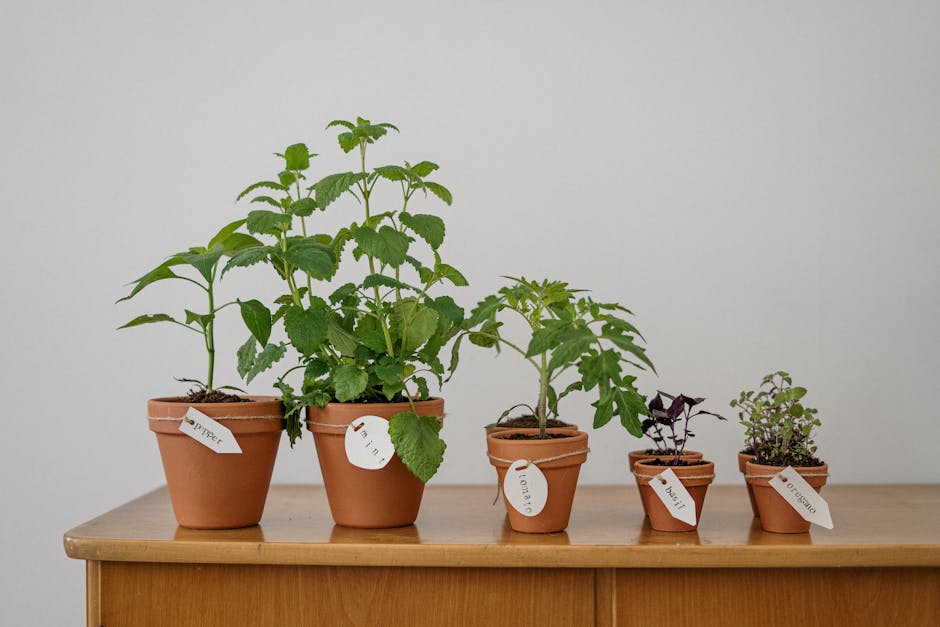
Home Tomato Cultivation: Nutrition, Pruning, and Protection for Exceptional Harvests
Learn watering, nutrition, pruning, and pest control techniques to grow healthy, productive tomatoes at home.
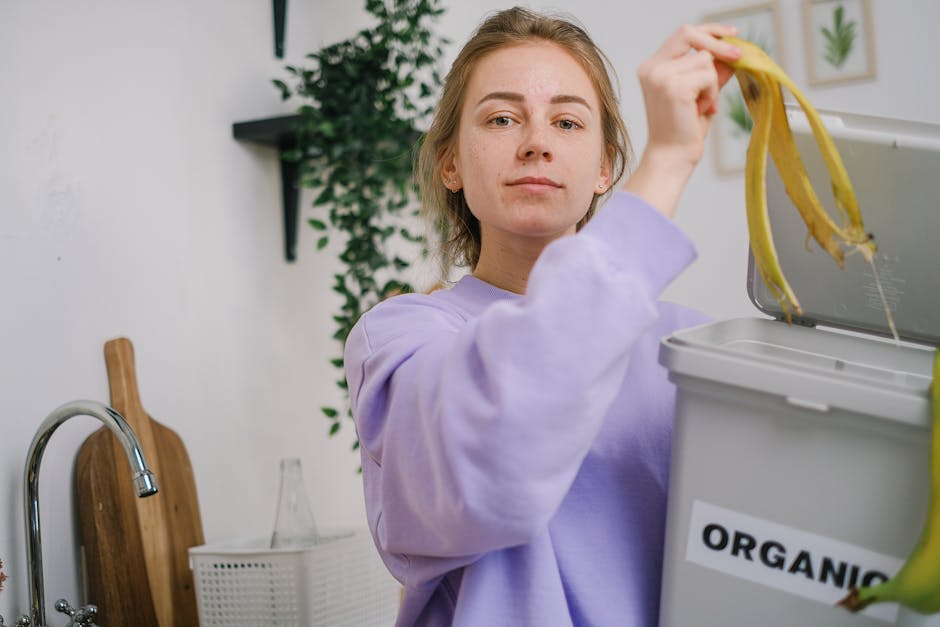
Homemade Organic Fertilization: Composting, Vermicomposting, and Leachate for Sustainable Gardens
Master composting, vermicomposting, and leachate methods to create homemade organic fertilizers for eco-friendly crop nutrition.