Unlock Your Indoor Oasis: Hydroponics Made Simple for Every Home
Dive into the world of soil-free gardening! This beginner's guide to hydroponics reveals practical tips, essential systems, and actionable advice to grow fresh produce year-round.

For anyone who’s ever dreamt of fresh, vibrant produce year-round, regardless of climate or space constraints, hydroponics offers a revolutionary path. Imagine plucking crisp lettuce, aromatic herbs, or juicy tomatoes from your own indoor garden, free from soil, pests, and the whims of weather. This isn’t a futuristic fantasy; it’s the accessible reality of hydroponic gardening, and you’re about to discover how simple it can be to start.
Hydroponics, the practice of growing plants without soil, using mineral nutrient solutions dissolved in water, is transforming home gardening. It’s a method that promises faster growth, greater yields, and significant water savings compared to traditional soil-based cultivation. Whether you live in a bustling city apartment or simply wish to extend your growing season, hydroponics empowers you to cultivate a thriving garden right at your fingertips. Let’s embark on this exciting journey to becoming a successful hydroponic gardener.
What is Hydroponics and Why Should You Care?
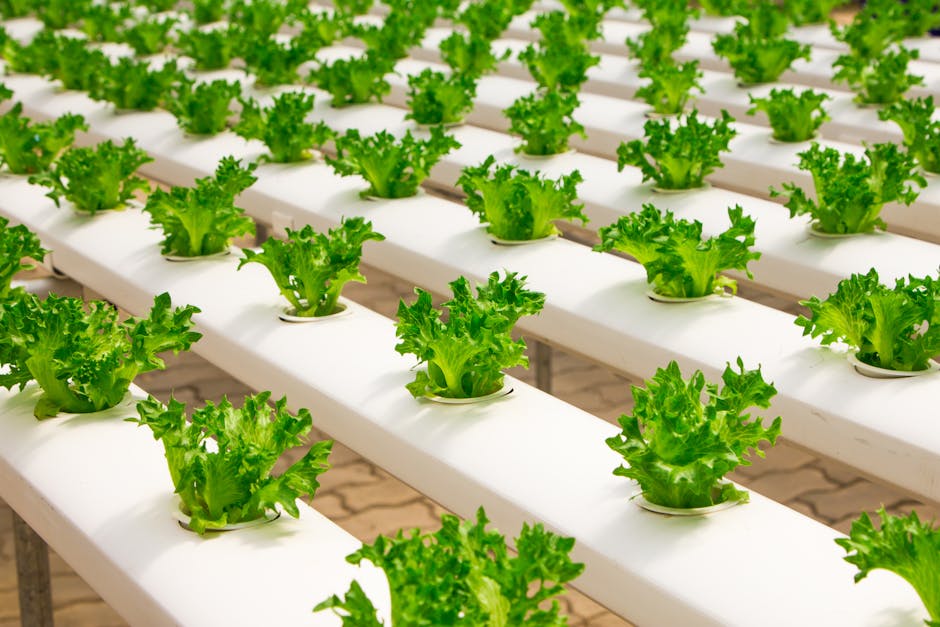
At its core, hydroponics replaces soil with a nutrient-rich water solution. Plants are supported by an inert medium like rockwool or coco coir, and their roots are directly exposed to the essential minerals they need to flourish. This direct access to nutrients, combined with controlled environmental factors, leads to remarkably efficient growth.
Why choose hydroponics?
- Faster Growth: Plants often mature 25-50% quicker than in soil, as they don’t expend energy searching for nutrients. This means more frequent harvests.
- Water Efficiency: Hydroponic systems can use up to 90% less water than traditional gardening because water is recirculated and not lost to evaporation or runoff.
- No Soil, No Weeds, Fewer Pests: Eliminating soil removes common problems like soil-borne diseases, weeds, and many pests, simplifying maintenance.
- Space Saving: Vertical and compact systems make it ideal for small spaces, urban environments, or even a corner of your kitchen.
- Year-Round Growing: With indoor setups and controlled lighting, you can grow your favorite plants regardless of the season.
It’s a sustainable and incredibly rewarding way to reconnect with your food source. For more in-depth information on the benefits and science behind hydroponics, reputable sources like the Purdue University Extension offer valuable insights into sustainable agriculture practices. Learn more about Hydroponics from Purdue Extension
Choosing Your First Hydroponic System: Simplicity is Key
Starting with the right system is crucial for a positive first experience. While many advanced setups exist, beginners should prioritize simplicity and reliability. Here are a few popular choices, with a strong recommendation for one to start:
- Deep Water Culture (DWC): This is often considered the easiest and most cost-effective system for beginners. Plants are suspended in net pots with their roots submerged in a reservoir of nutrient solution. An air pump and air stone oxygenate the water, preventing root rot. DWC is fantastic for leafy greens and herbs.
- Wick System: A passive system where a wick draws nutrient solution from a reservoir up to the growing medium. It’s incredibly simple with no moving parts, but less efficient for larger plants.
- Nutrient Film Technique (NFT): Plants sit in channels, and a thin film of nutrient solution flows over their roots. This is more advanced but highly efficient for leafy greens. It requires a pump and precise slope.
Actionable Tip for Beginners: Start with a single-bucket DWC system. You can easily assemble one with a 5-gallon bucket, a lid, a net pot, an air pump, and an air stone. This allows you to learn the basics of nutrient management and pH control without overwhelming complexity. You can find many guides online for DIY DWC systems, or purchase an affordable starter kit from a reputable supplier like Hydrofarm or General Hydroponics.
Essential Components for Any System:
- Reservoir: To hold the nutrient solution.
- Growing Medium: Rockwool, coco coir, or hydroton (clay pebbles) provide support.
- Hydroponic Nutrients: Specific formulations for soilless growing.
- pH Testing Kit & Adjusters: Essential for maintaining optimal pH levels.
- Air Pump & Air Stone (for DWC/NFT): To oxygenate the water.
- Grow Lights (for indoor setups): LED grow lights are energy-efficient and effective. Explore LED Grow Light options on Gardening Know How
The Essentials: Nutrients, pH, and Light
Mastering these three pillars is key to hydroponic success. They are interdependent, and understanding their roles will empower your plants to thrive.
Nutrients: The Plant’s Food
Hydroponic plants rely entirely on the nutrient solution for all their dietary needs. Unlike soil, which can store nutrients, the solution must provide a balanced blend of macro (Nitrogen, Phosphorus, Potassium) and micro (Iron, Calcium, Magnesium, etc.) elements. Always use hydroponic-specific nutrient solutions, as garden fertilizers are formulated for soil and can harm your system.
Actionable Tip: Follow the manufacturer’s feeding schedule closely, especially when starting. As you gain experience, you can fine-tune concentrations, but consistency is vital for healthy growth.
pH: The Key to Nutrient Absorption
Plant roots can only absorb nutrients efficiently within a specific pH range, typically between 5.5 and 6.5 for most hydroponic crops. If the pH is too high or too low, nutrients become ‘locked out,’ even if present in the solution, leading to deficiencies.
Actionable Tip: Invest in a reliable pH testing kit (liquid drops or a digital meter). Check your solution’s pH daily for the first week, then every few days. Use pH Up or pH Down solutions (available at hydroponic stores) to adjust as needed. Keep a log of your readings to track stability.
Light: The Energy Source
For indoor hydroponics, artificial lighting is indispensable. LED grow lights are highly recommended due to their energy efficiency, long lifespan, and customizable spectrums. Different plants have different light requirements, but a general rule is 12-16 hours of light per day for most leafy greens and herbs.
Actionable Tip: Use a timer to ensure consistent light cycles. Position your lights correctly – too far, and plants stretch; too close, and they can burn. Consult your light manufacturer’s recommendations for optimal hanging height.
Your First Hydroponic Harvest: From Seed to Salad
With your system set up and the basics understood, it’s time to grow!
- Seed Starting: Start seeds in rockwool cubes or other inert media. Keep them moist and warm until they sprout.
- Transplanting: Once seedlings have developed a few true leaves and their roots emerge from the bottom of the cube, carefully place them into your net pots within the hydroponic system.
- Maintenance is Key:
- Check Water Levels: Top up your reservoir with fresh, pH-adjusted water (and sometimes a half-strength nutrient solution, depending on plant size) regularly.
- Nutrient Changes: Completely drain and refill your reservoir with fresh nutrient solution every 1-2 weeks. This prevents nutrient imbalances and buildup.
- System Cleaning: Periodically clean your reservoir and system components to prevent algae growth and pathogen buildup. A diluted hydrogen peroxide solution can help.
Best Plants for Beginners: Start with fast-growing, less demanding plants like:
- Leafy Greens: Lettuce (butterhead, romaine), spinach, kale.
- Herbs: Basil, mint, chives, cilantro.
Common Troubleshooting:
- Yellowing Leaves: Often a sign of nutrient deficiency or incorrect pH. Check your pH first.
- Algae Growth: Too much light reaching the reservoir. Cover light-exposed areas to block it out.
- Wilting: Could be root issues (lack of oxygen, disease) or nutrient shock. Check roots and pH.
For more detailed plant-specific growing guides and troubleshooting, reliable online resources like The Old Farmer’s Almanac offer a wealth of practical advice. Explore Hydroponic Growing Guides
Embrace the Future of Growing
Embarking on your hydroponic journey is an exciting step towards a more self-sufficient and sustainable lifestyle. It’s a method that rewards curiosity, consistency, and a keen eye for your plants’ needs. From the first sprout to your inaugural harvest, you’ll gain invaluable insights into plant biology and the intricate dance of life.
Remember, every expert was once a beginner. Start small, learn from each cycle, and don’t be afraid to experiment. The fresh flavors and vibrant growth you’ll achieve will be a testament to your efforts. Your indoor oasis awaits – happy growing!
Related Articles

Crop Rotation Planning for Small-Scale Urban Gardens
Intensive and sustainable strategies to optimize soil health and productivity in reduced spaces through spatial design and plant selection.
Lettuce Salinity Management: Diagnosis and Agronomic Strategies
Addresses salinity identification, irrigation techniques, soil improvements, nutrition, and biostimulants for optimal lettuce yield.

Plant Fungi: Identification, Prevention, and Sustainable Control
Learn to identify, prevent, and control fungi on your plants with cultural practices, healthy soil, and natural treatments.

Cultivate Garden Gold: The Essential Guide to Homemade Composting Success
Learn how to effortlessly transform kitchen scraps and garden waste into nutrient-rich compost, enriching your soil and boosting plant health sustainably.