Argentina's Golden Grain: Mastering Maize for Your Backyard Bounty
Learn how to successfully cultivate maize in your Argentinian home garden, from selecting the right varieties to ensuring a bountiful harvest.
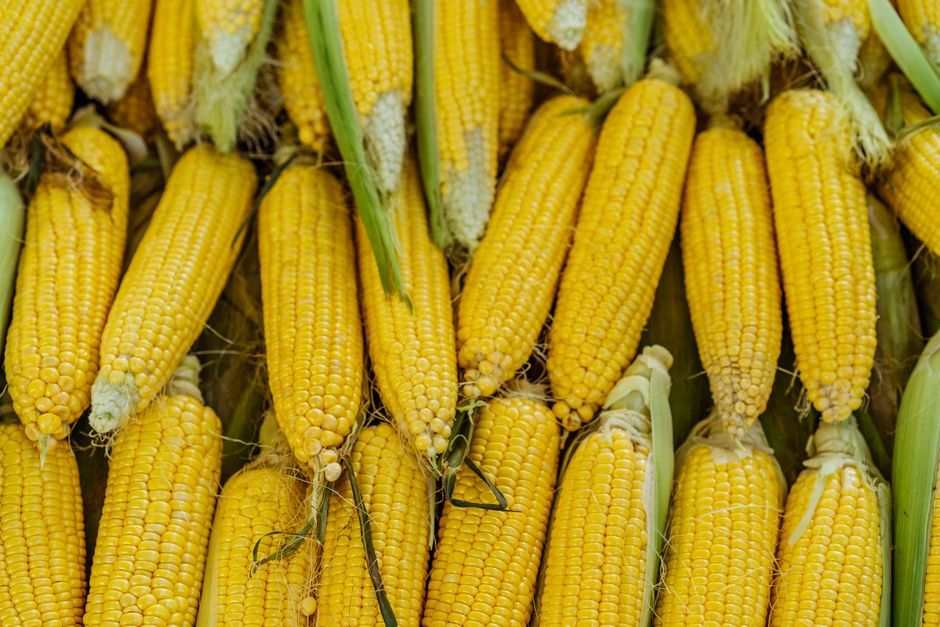
The rustle of corn leaves in a gentle breeze, the anticipation of biting into a freshly picked, sweet cob – there’s a unique satisfaction in growing your own food. In Argentina, a nation synonymous with agricultural prowess, maize (corn) holds a special place. While vast fields stretch across the pampas, the joy of cultivating this golden grain is entirely within reach for home gardeners. Beyond its culinary versatility, growing maize connects us to ancient traditions and the rhythm of the land. This guide will empower you to transform your backyard into a productive maize patch, yielding delicious results.
Choosing Your Golden Variety & Ideal Site
The journey to a successful maize harvest begins with thoughtful selection. Maize isn’t just one plant; it encompasses a diverse range of types, each with unique characteristics. For home gardeners, sweet corn (ideal for eating fresh), popcorn (for those movie nights), and even some dent corn varieties (for milling or animal feed, if you’re ambitious) are popular choices. When selecting varieties, consider your local climate and growing season length. For instance, if you’re in a region with a shorter summer, look for early-maturing varieties.
Actionable Tip: Research local seed suppliers or horticultural centers in Argentina. They often stock varieties best suited to regional conditions. For example, some drought-tolerant varieties might be ideal for drier areas, while others thrive in more humid environments.
Maize is a sun-worshipper, demanding at least 6-8 hours of direct sunlight daily. Choose a spot in your garden that receives ample light throughout the day. The soil is equally crucial. Maize prefers well-draining, fertile loam with a pH between 6.0 and 6.8. If your soil is heavy clay or very sandy, significant amendment with organic matter is necessary. A simple soil test can provide invaluable insights into your garden’s specific needs.
Planting for Success: From Seed to Stalk
Timing is everything when planting maize. In Argentina, the ideal planting window typically opens after the last danger of frost has passed in spring, usually from late September to November, depending on your specific latitude and climate zone. Soil temperature should consistently be above 10°C (50°F) for optimal germination.
Practical Ideas:
- Soil Preparation: Begin by enriching your soil. Incorporate a generous amount of well-rotted compost or aged manure. This not only boosts fertility but also improves soil structure and water retention. Digging in organic matter to a depth of 20-30 cm (8-12 inches) a few weeks before planting is beneficial.
- Planting in Blocks: Maize is wind-pollinated, meaning pollen from the tassels (male flowers) needs to fall onto the silks (female flowers) of neighboring plants. To ensure good pollination and well-filled cobs, plant maize in blocks or squares of at least four rows, rather than a single long row. Space seeds about 15-20 cm (6-8 inches) apart within the row, with rows 75-90 cm (30-36 inches) apart. Plant seeds 2.5-5 cm (1-2 inches) deep.
- Watering: After planting, water thoroughly. Consistent moisture is vital, especially during germination, tasseling, and cob development. Aim for about 2.5-4 cm (1-1.5 inches) of water per week, either from rain or irrigation. Drip irrigation or soaker hoses are excellent for efficient watering, minimizing evaporation.
Nurturing Your Crop: Pests, Nutrients, and Support
As your maize plants grow, they’ll require ongoing care to thrive. Vigilance against pests and adequate nutrition are key.
Common Challenges & Solutions:
- Nutrient Needs: Maize is a heavy feeder, particularly of nitrogen. A balanced fertilizer can be applied at planting, followed by a side-dressing of a nitrogen-rich fertilizer when plants are about 30 cm (1 foot) tall and again just before tasseling. Organic options include blood meal, compost tea, or well-rotted chicken manure.
- Weed Management: Weeds compete with maize for water, nutrients, and sunlight. Keep the area around your plants free of weeds, especially when they are young. Shallow cultivation or mulching with straw or wood chips can suppress weeds and help retain soil moisture. Be careful not to damage shallow maize roots.
- Pests: Common maize pests include corn earworm, aphids, and cutworms. For corn earworms, a few drops of mineral oil applied to the silk of each developing ear can deter them. For aphids, a strong spray of water or insecticidal soap can be effective. Crop rotation is an excellent preventative measure against many soil-borne pests and diseases. Learn more about organic pest control from resources like Rodale Institute.
- Support: Taller maize varieties may benefit from staking or hilling (mounding soil around the base of the plants) to provide extra support against strong winds, especially in open areas.
Harvest & Beyond: Enjoying Your Yield
The moment of truth! Knowing when to harvest is crucial for peak flavor and quality.
- Sweet Corn: For sweet corn, look for plump, well-filled ears with silks that have turned brown and dried. Test for ripeness by piercing a kernel with your fingernail; if a milky liquid squirts out, it’s ready. If it’s watery, it’s too early; if pasty, it’s too late. Harvest sweet corn in the morning when sugars are highest.
- Dent Corn/Popcorn: These varieties need to mature fully and dry on the stalk. The kernels will become hard, and the husks will turn completely brown and dry. This can take several weeks after sweet corn harvest time.
Storage Tips: Sweet corn is best consumed immediately after harvest, as its sugars rapidly convert to starch. If you can’t eat it all, blanching and freezing are excellent options. Dent corn and popcorn can be dried and stored in a cool, dry place for long-term use.
Crop Rotation: To maintain soil health and prevent disease buildup, avoid planting maize in the same spot year after year. Rotate with legumes (like beans or peas) or other non-grass crops. The Royal Horticultural Society (RHS) offers further insights into cultivating sweetcorn.
The Golden Reward of Your Labor
Growing maize in your Argentinian garden is a deeply rewarding endeavor. From the first tender shoots to the towering stalks laden with golden cobs, each stage offers lessons in patience and the wonders of nature. Whether you’re enjoying fresh-grilled cobs with friends, popping your homegrown kernels, or even grinding your own polenta, the taste of home-grown maize is unparalleled. Embrace the challenge, enjoy the process, and savor the bountiful harvest that your dedication brings. Happy gardening!
Related Articles

Unleash Your Roses' Potential: The Art and Science of Pruning for Spectacular Blooms
Master rose pruning techniques to ensure healthier plants, more vigorous growth, and an abundance of breathtaking flowers in your garden.

Cultivate Success: Master Drip Irrigation for Lush Gardens and Water Savings
Unlock the power of drip irrigation to nurture thriving plants, conserve precious water, and simplify your gardening routine sustainably.

Agronomic Practices and Innovations in Sustainable Sweet Potato (*Ipomoea batatas*) Production
Covers soil preparation, propagation, nutrition, pest and disease control, curing, and advancements in varieties and precision agriculture for sweet potatoes.

Agronomic Management of Capsicum Crops: Soil, Variety, Nutrition, and Irrigation
Enhance pepper and chili yields with soil analysis, varietal selection, precise nutrition, and efficient irrigation. Strategies for Latin America.