From Seed to Supper: Unearthing the Myriad Joys of Home Gardening
Learn how a home garden enriches your life with fresh produce, boosts well-being, and connects you to nature, fostering sustainable living.
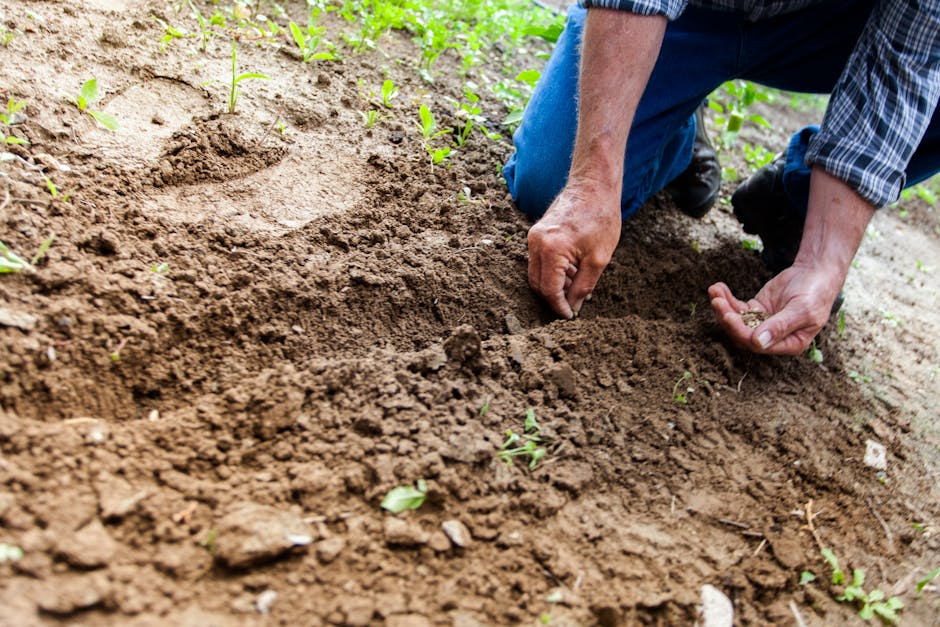
The simple act of planting a seed, nurturing a sprout, and harvesting your own food is a profound journey. In a world increasingly disconnected from the origins of our sustenance, cultivating a home garden offers more than just fresh produce; it provides a direct link to nature, a source of well-being, and a pathway to sustainable living. Whether you have a sprawling backyard or just a sunny balcony, the benefits of growing your own food are accessible to everyone, transforming not just your plate, but your entire lifestyle.
A Harvest of Health: Nourishing Body and Mind
One of the most immediate and tangible benefits of a home garden is the unparalleled quality of your produce. Imagine biting into a tomato picked moments ago, bursting with flavor, or enjoying crisp lettuce free from pesticides and long-distance travel. Homegrown fruits, vegetables, and herbs are often richer in nutrients, as they are harvested at peak ripeness and consumed shortly thereafter, preserving their vital compounds. This direct access to fresh, organic food empowers you to make healthier dietary choices, reducing reliance on processed alternatives.
Beyond the plate, gardening itself is a fantastic form of physical activity. From digging and planting to weeding and watering, these tasks engage various muscle groups, improving strength, flexibility, and cardiovascular health. It’s a gentle yet effective workout that often doesn’t feel like exercise, especially when you’re immersed in the beauty of your growing space.
Moreover, the mental health benefits are profound. Spending time outdoors, surrounded by greenery, has been scientifically linked to reduced stress, anxiety, and depression. The rhythmic, meditative nature of gardening fosters mindfulness, allowing you to disconnect from daily pressures and reconnect with the present moment. Witnessing life grow and flourish under your care instills a sense of purpose, accomplishment, and deep satisfaction. Many find the garden to be a sanctuary, a place of peace and rejuvenation. For resources on gardening for well-being, the Royal Horticultural Society offers valuable insights: https://www.rhs.org.uk/
- Practical Tip: Start with easy-to-grow, high-yield crops like leafy greens (lettuce, spinach), radishes, or cherry tomatoes. These provide quick successes that boost confidence and encourage further gardening endeavors.
Growing Green: Economic Savings and Environmental Stewardship
Your home garden isn’t just a source of fresh food; it’s also a smart financial investment. Over time, growing your own produce can significantly reduce your grocery bills, especially for items that are expensive or frequently consumed. Consider the cost of organic herbs or specialty vegetables – cultivating them at home can lead to substantial savings. Furthermore, by preserving excess produce through canning, freezing, or drying, you extend the economic benefits throughout the year.
Environmentally, home gardening is a powerful act of stewardship. By growing your own, you dramatically cut down on the carbon footprint associated with food transportation, packaging, and industrial farming practices. Implementing sustainable methods like composting kitchen scraps and yard waste enriches your soil naturally, reduces landfill waste, and minimizes the need for synthetic fertilizers. Rainwater harvesting and efficient irrigation techniques further conserve precious resources.
Home gardens also play a vital role in supporting local biodiversity. By planting a variety of flowers and food crops, you create a haven for beneficial insects, such as bees, butterflies, and other pollinators, which are crucial for our ecosystems. This contributes to a healthier environment beyond your garden fence. Learn more about sustainable gardening practices from reputable sources like the National Gardening Association: https://garden.org/
- Practical Tip: Embrace composting. A simple compost bin or pile can transform kitchen waste (fruit and vegetable scraps, coffee grounds) and yard trimmings into nutrient-rich soil amendment, closing the loop on your garden’s ecosystem. Many online guides, such as those from The Old Farmer’s Almanac, offer easy steps to start: https://www.almanac.com/
Learning and Connecting: The Garden as a Classroom and Community Hub
A home garden serves as an invaluable living classroom for all ages. Children, in particular, benefit immensely from learning where food truly comes from, understanding plant life cycles, and observing the intricate web of nature firsthand. It teaches patience, responsibility, and the rewards of hard work. For adults, it’s an ongoing journey of discovery, mastering new techniques, experimenting with different plant varieties, and continually expanding horticultural knowledge.
Gardening can also be a wonderful way to foster family bonding. Working together in the garden creates shared experiences, strengthens relationships, and provides a productive outlet for spending quality time outdoors. Beyond the family, gardens often become centers for community connection. Sharing surplus produce with neighbors, exchanging seeds and tips, or even participating in local community garden initiatives can build strong social ties and a sense of collective purpose.
Modern gardening trends, such as urban farming and vertical gardens, demonstrate how adaptable and inclusive this activity can be, even in densely populated areas. These innovations allow more people to experience the joy of growing, fostering a deeper appreciation for food and nature within urban landscapes. University extension services often provide excellent resources for specific regional gardening advice, such as those from the University of California, Agriculture and Natural Resources: https://anrcatalog.ucanr.edu/
- Practical Tip: Involve children in the planning and planting stages. Give them their own small patch or a few pots to care for, choosing fast-growing, fun plants like sunflowers or snap peas.
Conclusion: Cultivating a Richer Life
The benefits of a home garden are far-reaching, touching every aspect of life from personal health and financial well-being to environmental stewardship and community engagement. It’s a journey that starts with a single seed but blossoms into a richer, more connected, and sustainable way of living. Whether you’re a seasoned horticulturist or a budding enthusiast, the rewards of cultivating your own green space are immeasurable. Embrace the challenge, start small, and watch as your garden, and your life, flourish.
Happy gardening!
Related Articles

Arazá (*Psidium cattleyanum*): Cultivation, Management, and Agribusiness Potential
Arazá evaluation: edaphoclimatic requirements, propagation, sustainable agronomic management, and agribusiness potential for production diversification.

Pink Trumpet Tree: Ecology, Propagation & Urban Biodiversity
Details ecology, seed and mycorrhizal propagation, and water-nutritional management of the Pink Trumpet Tree for landscape restoration and resilience.

Permaculture in Home Gardens: Efficiency, Biodiversity, and Local Resilience
Zone design, water management, living soil, and polycultures for sustainable, productive gardens adapted to the Southern Cone.
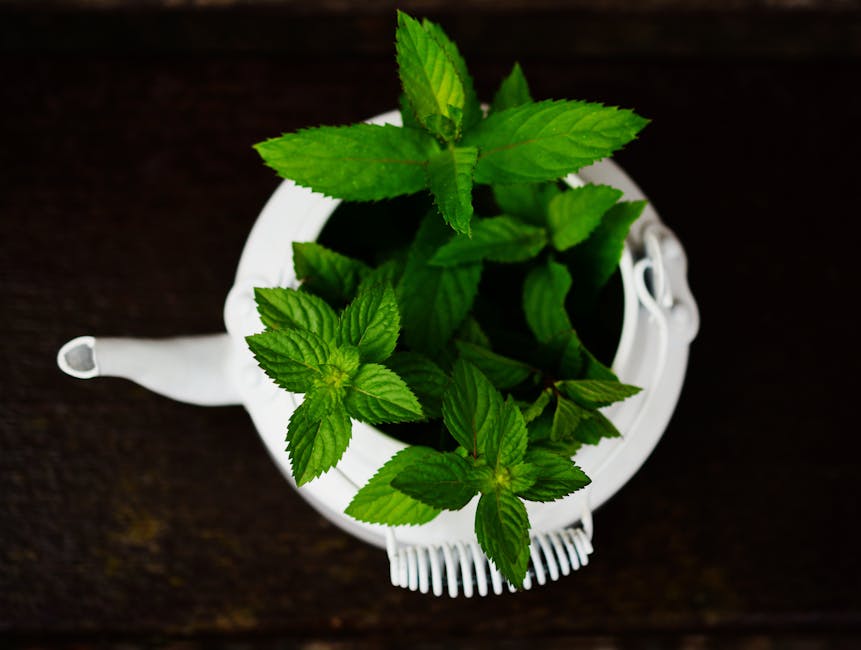
Elevate Your Cuisine: Cultivating a Thriving Home Herb Garden
Understand the joy of fresh flavors! Learn how to grow essential culinary herbs at home, from planting to harvesting, for vibrant dishes.