Beyond the Backyard: What to Grow in Pots for Bountiful Harvests
Understand the secrets to successful container gardening, transforming small spaces into productive urban oases with a variety of fruits, vegetables, and herbs.

The dream of a lush garden brimming with fresh produce often feels out of reach for those in urban apartments or homes with limited yard space. Yet, the verdant revolution of container gardening proves that a bountiful harvest is not confined to vast fields. From sun-drenched balconies in Buenos Aires to cozy patios in Córdoba, cultivating your own edible paradise in pots is not only achievable but deeply rewarding. It’s an accessible way to reconnect with nature, enjoy unparalleled freshness, and add a touch of green vibrancy to your everyday life. This guide will help you unlock the potential of your small space, transforming it into a thriving hub of homegrown goodness.
The Foundation: Choosing Your Containers and Soil
The success of your container garden begins with the right vessels and the perfect growing medium. Don’t underestimate their importance!
Containers: Size matters. Each plant has specific root space requirements. A general rule is: the larger the plant, the larger the pot.
- Small (15-20 cm diameter): Ideal for herbs like basil, mint, cilantro, and chives, or single lettuce plants.
- Medium (25-35 cm diameter): Perfect for bush beans, peppers, spinach, radishes, and smaller tomato varieties (e.g., ‘Roma’).
- Large (40+ cm diameter): Essential for indeterminate tomatoes, eggplants, zucchini, and small fruit bushes.
- Materials: Terracotta pots offer good aeration but dry out quickly. Plastic pots retain moisture longer. Fabric grow bags provide excellent drainage and air pruning for roots, a popular choice among modern gardeners. Ensure all containers have adequate drainage holes to prevent waterlogging, which can lead to root rot.
Soil: Forget garden soil; it compacts easily in pots and lacks the necessary aeration. A high-quality potting mix is crucial. Look for mixes that are:
- Lightweight and well-draining: Often containing perlite or vermiculite.
- Rich in organic matter: Such as compost, which provides essential nutrients.
- Sterile: To minimize pests and diseases. You can also create your own mix using equal parts compost, coco coir or peat moss, and perlite for excellent results. For more detailed guidance on container gardening fundamentals, including soil and watering, reputable sources like the University of Maryland Extension offer comprehensive information. And for specific insights on crafting your ideal potting mix, resources like Gardeners’ World provide excellent tips.
Edibles Galore: Top Plants for Container Success
The variety of plants that thrive in containers might surprise you. Here’s a selection perfect for the urban gardener:
| Plant Category | Examples for Containers | Key Considerations |
|---|---|---|
| Leafy Greens | Lettuce (loose-leaf), Spinach, Arugula, Swiss Chard | Quick growing, can be harvested ‘cut-and-come-again’. Requires consistent moisture. |
| Herbs | Basil, Mint, Parsley, Cilantro, Rosemary, Thyme | Most herbs are compact and thrive in pots. Mint can be invasive, so keep it separate. |
| Fruiting Vegetables | Bush Tomatoes, Cherry Tomatoes, Bell Peppers, Chili Peppers, Eggplant, Bush Cucumbers | Need larger pots, consistent watering, and often staking or support. Choose “bush” or “patio” varieties. |
| Root Vegetables | Radishes, Carrots (short varieties), Small Turnips, Beets | Require deeper pots than their expected root length to avoid stunted growth. |
| Legumes | Bush Beans, Peas (dwarf varieties) | Relatively easy to grow, good for nitrogen fixation in soil. |
| Small Fruits | Strawberries (everbearing), Blueberries (acid-loving soil), Dwarf Citrus | Strawberries are excellent in hanging baskets or specialized planters. Blueberries need specific pH. |
Tips for Selection:
- Sunlight: Observe your space. Most edible plants need at least 6-8 hours of direct sunlight daily. If you have less, focus on leafy greens and some herbs.
- Variety Selection: Look for “dwarf,” “bush,” “patio,” or “container” specific varieties at your local nursery or seed supplier. These are bred to perform well in confined spaces.
- Vertical Growth: Utilize vertical space with trellises for climbing plants like pole beans or small cucumbers.
Nurturing Your Potted Paradise: Essential Care Tips
Growing in containers presents unique challenges and opportunities. Here’s how to ensure your plants flourish:
Watering: Container plants dry out faster than in-ground plants.
- Frequency: Check daily, especially during hot, dry periods or windy conditions. Stick your finger an inch or two into the soil; if it feels dry, it’s time to water.
- Technique: Water deeply until it drains from the bottom. Avoid overhead watering on foliage to reduce fungal diseases. Consider drip irrigation or self-watering planters for convenience, especially if you’re away often.
Fertilizing: Nutrients leach out of pots with each watering. Regular feeding is vital.
- Initial Boost: Many potting mixes include slow-release fertilizer, but this will deplete over time.
- Ongoing Nutrition: Start fertilizing 2-4 weeks after planting with a balanced liquid organic fertilizer (e.g., a balanced NPK ratio like 5-5-5) every 2-4 weeks, following product instructions. For fruiting plants, switch to a fertilizer higher in phosphorus and potassium once flowering begins. Composting tea is another excellent organic option.
Sunlight and Location:
- Maximize Sun: Position your pots in the sunniest spot available. Rotate pots periodically to ensure even growth.
- Protection: In the intense summer sun of regions like Mendoza or Salta, some plants might benefit from partial afternoon shade to prevent scorching. Conversely, during cooler seasons, moving pots to sheltered, sunny spots can extend the growing season.
Pest and Disease Management:
- Vigilance: Inspect your plants regularly for signs of pests or diseases. Early detection is key.
- Organic Solutions: Use organic pest control methods like neem oil, insecticidal soap, or simply hand-picking larger pests. Introduce beneficial insects if possible.
- Good Practices: Ensure good air circulation, avoid overwatering, and remove any diseased foliage promptly.
Conclusion: Your Green Journey Awaits
Container gardening is more than just a hobby; it’s a lifestyle that brings fresh, healthy food right to your doorstep, regardless of space limitations. It’s about the joy of watching a seed sprout, the satisfaction of harvesting your first ripe tomato, and the peace of tending to living things. With the right containers, quality soil, careful plant selection, and consistent care, your urban oasis will not only thrive but inspire. Embrace the journey, experiment with different plants, and savor the delicious rewards of your very own potted paradise. Happy gardening!
Related Articles
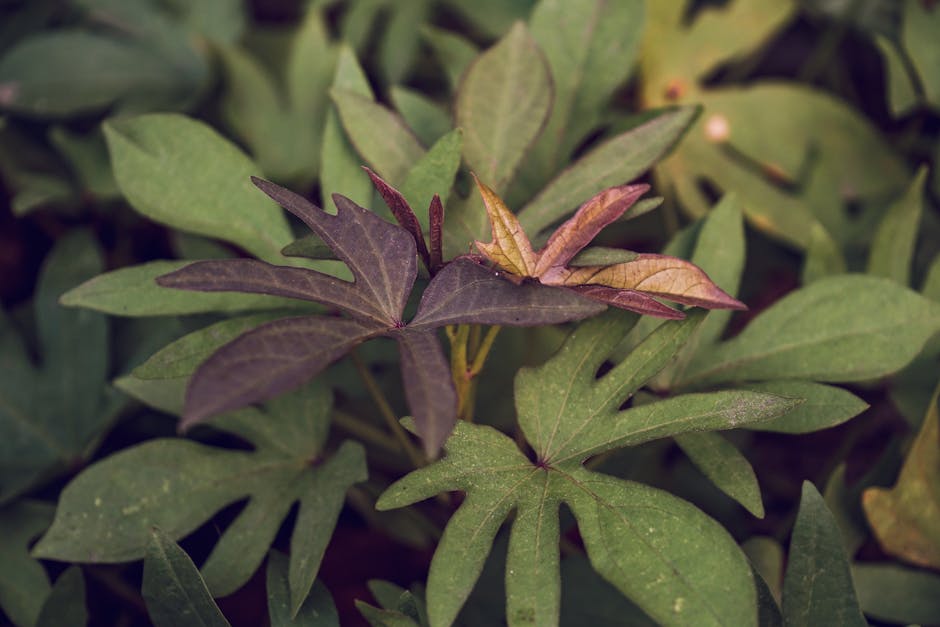
Ipomoea batatas: Botanical Characteristics, Cultivation, and Post-Harvest in Temperate Climates
Master sweet potato (Ipomoea batatas) cultivation: from variety selection and environmental conditions to harvesting and storage techniques.

Grow Your Best Garden: Argentina's Essential Southern Hemisphere Planting Calendar
Unlock Argentina's unique planting seasons and master your garden with this comprehensive Southern Hemisphere planting calendar and expert tips.
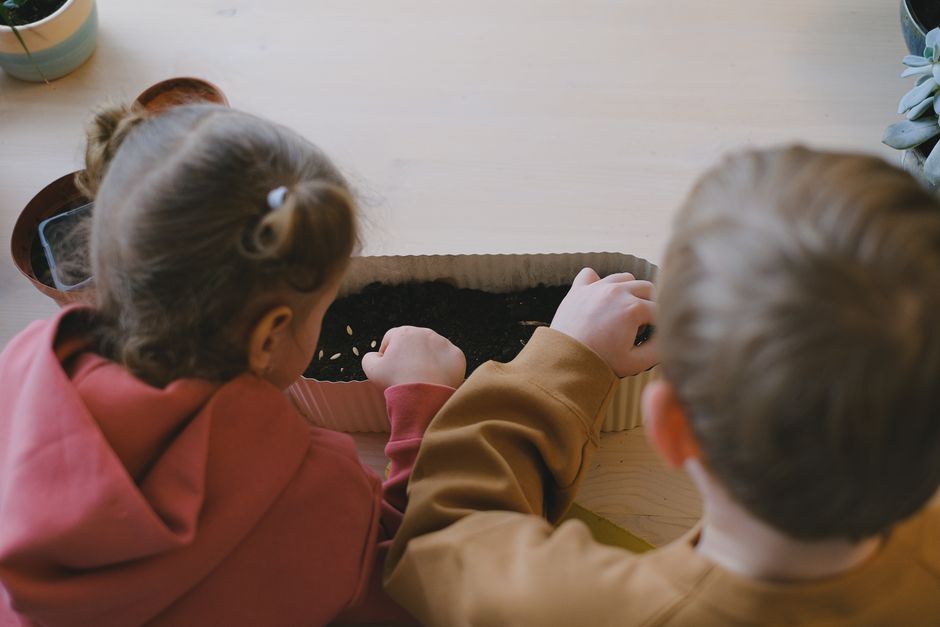
The Family Garden: A Platform for Experiential Learning and Ecological Engagement
Exploring how domestic horticulture serves as a dynamic educational environment, fostering ecological literacy, practical skills, and responsible stewardship.

Container Potato Cultivation: Genotypes, Substrate, and Management for Urban Success
Enhance potted potato production with genotype selection, light substrates, and efficient hilling techniques for urban harvests.