Unlock Endless Green: Master the Art of Plant Propagation Through Cuttings
Transform your garden with plant cuttings! Discover expert techniques for successful propagation, from selection to rooting, and multiply your favorite plants.

Unlock Endless Green: Master the Art of Plant Propagation Through Cuttings
Imagine transforming a single beloved plant into a thriving collection, sharing its beauty with friends, or simply expanding your garden’s diversity without breaking the bank. This isn’t magic; it’s the accessible and immensely rewarding practice of plant propagation through cuttings. For gardeners worldwide, from the bustling urban balconies to vast rural landscapes, mastering this technique opens a world of possibilities, allowing you to multiply your favorite specimens and cultivate new life with your own hands. It’s a sustainable, cost-effective, and deeply satisfying way to engage with the natural world, fostering a deeper connection to your green companions.
The Science of Cuttings: How New Life Emerges
At its core, propagation by cuttings harnesses a plant’s remarkable ability to regenerate. Most plants possess meristematic tissue, specialized cells found in growing tips, nodes, and root tips, capable of dividing and differentiating into various plant organs. When you take a cutting, you’re essentially providing a segment of the parent plant with the potential to develop its own root system, becoming a genetically identical clone.
This process is often aided by plant hormones, particularly auxins, which stimulate root development. While some plants root readily without assistance, others benefit greatly from rooting hormones – either synthetic or natural (like willow water) – applied to the cut end. Understanding this fundamental biological process empowers you to select the right cutting, provide optimal conditions, and guide it towards independent life.
Mastering the Technique: A Step-by-Step Guide to Success
Successful propagation by cuttings is a blend of art and science. Follow these steps to maximize your chances of success:
-
Selecting the Mother Plant: Choose a healthy, vigorous, and disease-free parent plant. Avoid stressed or flowering specimens, as their energy is directed elsewhere. The best time to take cuttings often coincides with active growth, typically spring or early summer, though this varies by plant type.
-
Identifying Cutting Types: Different plants respond best to different types of cuttings:
- Softwood Cuttings: Taken from new, soft, flexible growth (e.g., hydrangeas, fuchsias). These root quickly but are prone to wilting. Best taken in spring.
- Semi-Hardwood Cuttings: Taken from slightly matured, firm, but still flexible growth (e.g., camellias, azaleas). These are a good middle ground for many shrubs and trees. Best taken in summer.
- Hardwood Cuttings: Taken from mature, dormant woody stems (e.g., roses, grapes). These take longer to root but are very hardy. Best taken in late autumn or winter.
-
Making the Cut:
- Use sharp, sterile pruning shears or a knife to prevent disease transmission and ensure a clean cut. Sterilize tools with rubbing alcohol or a bleach solution between plants.
- For most stem cuttings, aim for a length of 4-6 inches (10-15 cm). Make the bottom cut just below a node (where a leaf or bud emerges), as this area contains high concentrations of rooting hormones. Make the top cut above a node.
- Remove any leaves from the lower half to two-thirds of the cutting to prevent rot and reduce moisture loss, leaving 2-4 leaves at the top.
-
Preparing for Rooting:
- Dip the cut end into rooting hormone powder or gel if desired. Gently tap off any excess.
- Some gardeners also scarify the bottom inch of the stem by lightly scraping the bark to expose more cambium tissue, which can encourage rooting.
-
Planting the Cutting:
- Rooting Medium: A well-draining, sterile medium is crucial. Options include perlite, vermiculite, sand, a mix of peat moss and perlite, or specialized seed-starting mixes. Avoid heavy garden soil, which can lead to rot.
- Insertion: Create a small hole in the medium with a pencil or stick to avoid scraping off the rooting hormone. Insert the cutting deep enough so that at least one node is buried.
- Watering: Water thoroughly after planting to settle the medium around the cutting.
-
Creating the Ideal Environment (Aftercare):
- Humidity: Cuttings lack roots to absorb water, so high humidity is essential to prevent desiccation. Cover the cuttings with a clear plastic bag (supported by stakes so it doesn’t touch the leaves), a propagation dome, or place them in a mini-greenhouse. Ensure good air circulation to prevent fungal issues.
- Light: Provide bright, indirect light. Direct sun can scorch the delicate cuttings.
- Temperature: Maintain a consistent warm temperature, ideally between 65-75°F (18-24°C). Bottom heat mats can significantly accelerate rooting.
- Moisture: Keep the rooting medium consistently moist, but not waterlogged. Misting the leaves can also help maintain humidity.
For more detailed guidance on various propagation methods, the Royal Horticultural Society offers excellent resources.
Beyond the Basics: Advanced Tips and Common Challenges
While the basic steps are straightforward, a few advanced techniques and awareness of common pitfalls can significantly improve your success rate:
- Misting Systems & Humidity Domes: For larger batches, automatic misting systems can maintain optimal humidity. For smaller scale, simple clear plastic domes or even an inverted clear plastic bottle can create a microclimate.
- Bottom Heat: A heated propagation mat placed under your cutting trays provides gentle warmth to the root zone, encouraging faster cell division and root growth. This is especially beneficial for plants that are slow to root or when propagating in cooler conditions.
- Plant-Specific Needs: Research the specific requirements for the plants you wish to propagate. Some, like succulents (e.g., Sedum, Echeveria), root easily from leaf or stem cuttings left to callus for a few days before planting. Others, like many herbs (e.g., rosemary, mint), thrive in water propagation before being transferred to soil.
- Common Challenges:
- Rot: Overwatering is the most common cause. Ensure good drainage and avoid soggy conditions.
- Wilting: Indicates insufficient humidity or too much sun. Adjust environmental conditions.
- No Rooting: Can be due to incorrect cutting type, low temperatures, or lack of rooting hormone for stubborn species. Be patient; some plants take weeks or even months.
Understanding these nuances allows you to adapt your strategy, turning potential failures into learning opportunities. The Clemson University Extension provides further insights into troubleshooting common propagation issues.
Cultivate Your Green Oasis: A Rewarding Journey
Plant propagation by cuttings is more than just a gardening technique; it’s an exploration of nature’s resilience and your own nurturing capabilities. From multiplying cherished roses and vibrant bougainvillea to expanding your herb garden with fragrant basil or rosemary, the possibilities are endless. Each successful cutting is a testament to your patience and skill, a small victory that contributes to a greener, more sustainable world. Embrace the journey, experiment with different plants, and delight in the continuous growth of your garden and your expertise. Happy propagating!
Related Articles
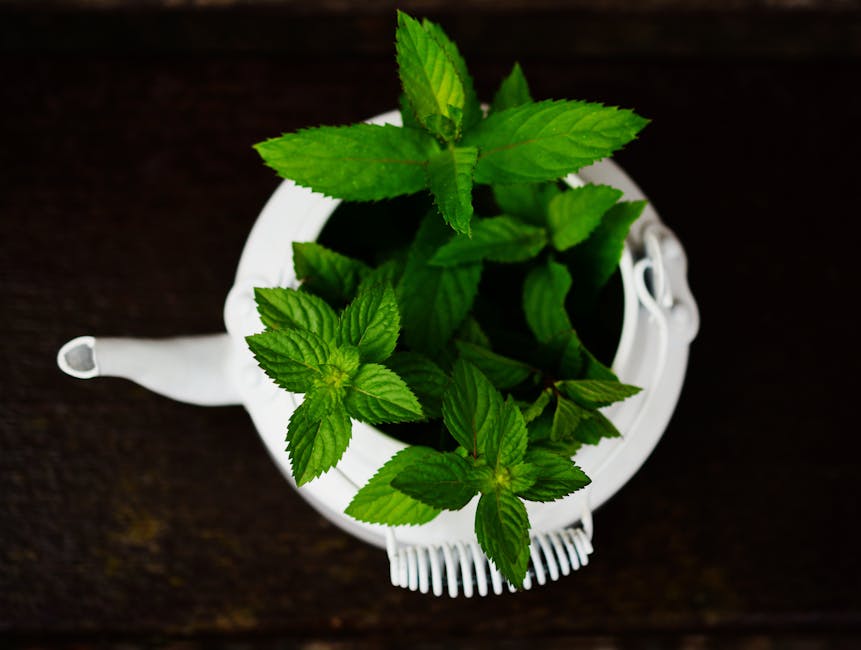
Elevate Your Cuisine: Cultivating a Thriving Home Herb Garden
Understand the joy of fresh flavors! Learn how to grow essential culinary herbs at home, from planting to harvesting, for vibrant dishes.
Fungal Pathogens in Plants: Identification and Management Strategies
Master effective strategies for identifying and managing common fungal pathogens to maintain robust plant health in your garden and horticulture endeavors.

Crop Rotation: Agronomic Principles and Practical Applications for Soil Sustainability
Crop rotation is an essential agronomic technique for soil health, pest management, and sustainable productivity in gardens.
Solanum lycopersicum: Physiological Requirements and Agronomic Management for Optimal Cultivation
Understand the physiological requirements and agronomic management of tomatoes (Solanum lycopersicum) for high-quality yields.