Harvest Fresh Lettuce Year-Round: Your Blueprint for Continuous Greens
Understand the secrets to cultivating crisp, delicious lettuce throughout all seasons with these expert tips and techniques.

Imagine the satisfaction of harvesting your own fresh, vibrant lettuce any day of the year, regardless of the season. For many gardeners, lettuce is a seasonal delight, but with strategic planning and a few clever techniques, you can enjoy a continuous supply of this essential leafy green. This guide will empower you to transform your gardening approach, ensuring your salad bowl is never empty.
1. Understanding Lettuce Needs: The Foundation of Success
To achieve a year-round harvest, it’s crucial to first grasp lettuce’s fundamental requirements. Lettuce (Lactuca sativa) thrives in cool to moderate temperatures, typically between 10°C and 20°C (50°F and 68°F). High temperatures often lead to bolting, where the plant prematurely sends up a flower stalk, making the leaves bitter.
Key Environmental Factors:
- Light: Lettuce needs at least 6 hours of direct sunlight per day. In warmer months, some afternoon shade can prevent bolting. For indoor growing, full-spectrum grow lights are essential.
- Soil: Well-draining, fertile soil rich in organic matter is ideal. A pH between 6.0 and 7.0 is optimal. Amending your soil with good quality compost before planting will provide essential nutrients and improve structure.
- Water: Consistent moisture is critical. Lettuce has shallow roots, so dry periods can quickly stress the plant. Aim for uniform watering, avoiding waterlogging. Drip irrigation or soaker hoses are excellent for maintaining consistent soil moisture.
- Nutrients: Lettuce is a relatively light feeder but benefits from nitrogen-rich fertilizers to promote lush leaf growth. Organic options like fish emulsion or compost tea can be applied every few weeks.
Practical Tip: Consider raised beds for better drainage and temperature control, especially in areas with heavy clay soils or extreme temperatures.
2. Mastering Succession Planting & Variety Selection
The cornerstone of continuous harvesting is succession planting – sowing small batches of seeds every 10-14 days rather than planting an entire crop at once. This ensures a steady supply of mature plants without overwhelming you with a single, large harvest.
Variety Selection for All Seasons:
- Spring/Autumn: Most loose-leaf varieties (e.g., ‘Black Seeded Simpson’, ‘Salad Bowl’) and butterhead types (e.g., ‘Bibb’, ‘Buttercrunch’) perform well. Romaine varieties like ‘Parris Island Cos’ also thrive.
- Summer (Heat Tolerant): Look for varieties specifically bred for heat tolerance to delay bolting. Examples include ‘Nevada’, ‘Tropicana’, ‘Green Star’, and certain Romaine types. Providing partial shade during the hottest part of the day is also crucial.
- Winter (Cold Tolerant): Varieties like ‘Winter Density’ (a Romaine type), ‘Arctic King’, and ‘Merveille de Quatre Saisons’ (a beautiful butterhead) are more resilient to colder temperatures. Protecting them with cloches or cold frames is highly recommended.
Actionable Advice: Keep a gardening journal to track which varieties perform best in your specific microclimate during different seasons. This will be invaluable for future planning.
3. Extending the Season: Protected & Indoor Cultivation
When outdoor conditions become challenging due to extreme heat or cold, protected cultivation methods allow you to keep your lettuce growing.
- Cold Frames & Cloches: These simple structures create mini-greenhouses, trapping solar heat and protecting plants from frost and harsh winds. They are perfect for extending the growing season into late autumn and early spring, and even through mild winters.
- Greenhouses: A more substantial investment, a greenhouse offers comprehensive environmental control. You can regulate temperature, humidity, and light, making it ideal for year-round production of a wide range of crops, including lettuce.
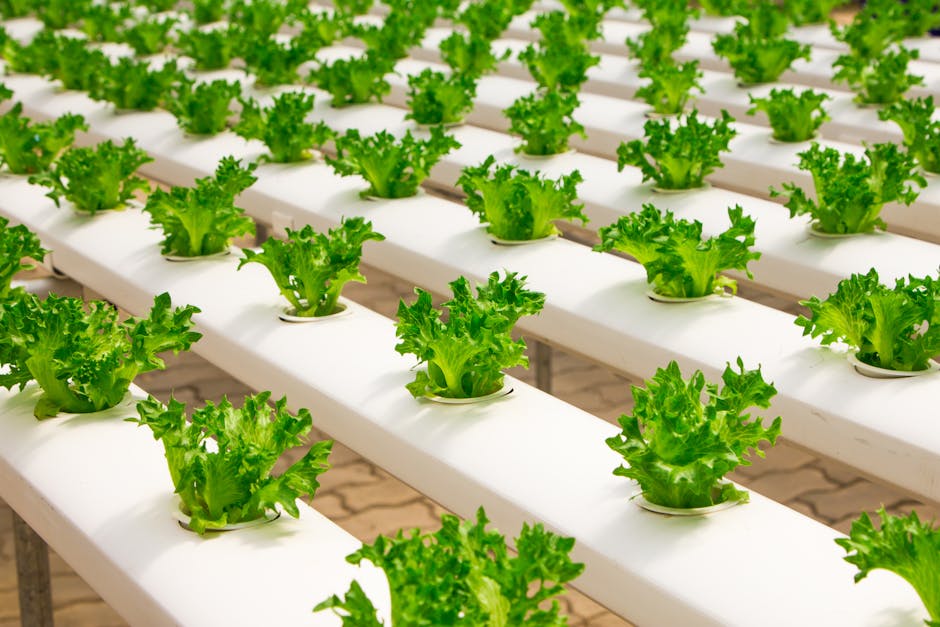
- Indoor Growing with Grow Lights: For truly continuous harvests, especially in regions with severe winters, bringing lettuce indoors is a fantastic option. Utilize containers and provide supplemental lighting with full-spectrum LED grow lights. Hydroponic or aquaponic systems can also be highly efficient for indoor lettuce production, often yielding faster growth and less pest issues.
Trend Alert: Vertical gardening systems and small-scale hydroponic units are becoming increasingly popular for urban gardeners, allowing them to grow significant amounts of lettuce in limited spaces, indoors or out. Resources like Gardening Know How offer extensive information on various growing techniques.
4. Pest and Disease Management for Continuous Growth
Consistent monitoring is key to preventing pests and diseases from derailing your year-round efforts. Healthy plants are more resilient, so ensure optimal growing conditions.
Common Issues & Organic Solutions:
- Aphids: These small insects can quickly multiply. Spray with insecticidal soap or a strong stream of water. Introduce beneficial insects like ladybugs.
- Slugs & Snails: They love tender lettuce leaves. Use organic slug baits, beer traps, or physical barriers like copper tape.
- Leaf Miners: These larvae tunnel through leaves, creating visible trails. Remove affected leaves promptly. Neem oil can deter adults from laying eggs.
- Downy Mildew: Appears as fuzzy white or gray patches on leaves, often in cool, damp conditions. Ensure good air circulation, avoid overhead watering, and select resistant varieties.
Pro Tip: Practice crop rotation to break pest and disease cycles. Avoid planting lettuce in the same spot year after year. For reliable organic pest control information, resources like Planet Natural provide excellent guidance.
Embracing year-round lettuce cultivation is a rewarding journey that connects you more deeply with your food source. By understanding lettuce’s needs, employing succession planting, utilizing protected growing methods, and practicing vigilant pest management, you can enjoy the crisp, fresh taste of homegrown lettuce every single day. Start small, experiment with varieties, and soon you’ll be celebrating a garden that gives back continually, enriching your table and your spirit.
Related Articles

Integrating Hoverflies in Gardens for Biological Control and Pollination
Attract hoverflies with strategic botanical design: accessible flowers, continuous bloom, and safe habitats for pest control and pollination.

Cultivate Garden Gold: The Essential Guide to Homemade Composting Success
Learn how to effortlessly transform kitchen scraps and garden waste into nutrient-rich compost, enriching your soil and boosting plant health sustainably.

Master Homemade Compost: Turn Waste into Garden Gold and Boost Your Harvests!
Understand the secrets to creating nutrient-rich homemade compost from kitchen and garden waste, transforming your soil and boosting plant growth sustainably.
Urban Hydroponics: Efficient Soilless Cultivation for Home Gardens
Understand the principles and essential components of hydroponics for growing fresh food at home, optimizing water and space.