Cultivate Garden Gold: The Essential Guide to Homemade Composting Success
Learn how to effortlessly transform kitchen scraps and garden waste into nutrient-rich compost, enriching your soil and boosting plant health sustainably.

For gardeners across Latin America and beyond, the dream of a thriving, vibrant garden often begins with healthy soil. Imagine transforming everyday kitchen scraps and garden waste into a rich, dark ‘black gold’ that breathes life into your plants, boosts their resilience, and reduces your environmental footprint. This isn’t magic; it’s the accessible and rewarding practice of homemade composting.
Composting is more than just waste management; it’s an act of nurturing. It’s about returning vital nutrients to the earth, creating a self-sustaining cycle that benefits your garden, your wallet, and the planet. Whether you’re tending a small balcony herb garden in Buenos Aires or a sprawling backyard vegetable patch, mastering the art of composting is a fundamental step towards truly sustainable horticulture.
Why Compost? The Unsung Hero of Your Garden
Compost is often called a gardener’s best friend, and for good reason. Its benefits extend far beyond simply providing nutrients. It’s a comprehensive soil improver that addresses multiple challenges faced by gardeners, especially in varied climates.
- Enriches Soil Structure: Compost improves soil aggregation, making heavy clay soils more workable and sandy soils better at retaining water and nutrients. This is crucial for robust root development.
- Boosts Nutrient Cycling: It introduces a diverse microbial ecosystem to your soil, which breaks down organic matter, making essential nutrients more available to plants. This reduces the need for synthetic fertilizers.
- Enhances Water Retention: Soils rich in organic matter can hold significantly more water, meaning less frequent watering – a valuable asset in regions prone to dry spells.
- Suppresses Pests and Diseases: Healthy, biologically active soil fosters stronger plants that are naturally more resistant to pests and diseases. The beneficial microorganisms in compost can also outcompete harmful pathogens.
- Reduces Waste: Diverting organic waste from landfills significantly cuts down on methane emissions, a potent greenhouse gas. It’s a tangible way to practice environmental stewardship right in your backyard.
The ABCs of Composting: What Goes In & What Stays Out
The secret to successful composting lies in understanding the balance between ‘greens’ and ‘browns.’ Think of it as a recipe for healthy soil.
- “Greens” (Nitrogen-Rich): These provide the nitrogen necessary for microbial activity and heat generation in your compost pile.
- Fruit and vegetable scraps (peels, cores, wilted produce)
- Coffee grounds and tea bags
- Fresh grass clippings (in moderation to avoid matting)
- Green plant trimmings
- “Browns” (Carbon-Rich): These provide the carbon that gives compost its structure and aeration, preventing odors.
- Dry leaves
- Shredded newspaper or cardboard (non-glossy)
- Straw or hay
- Wood chips or sawdust (in moderation)
- Twigs and small branches
What to AVOID composting:
- Meat, fish, and bones: Attract pests, create odors, and can harbor pathogens.
- Dairy products and oily foods: Similar to meat, they attract pests and slow down decomposition.
- Diseased plants: Can spread pathogens back to your garden.
- Weeds with seeds: You’ll just be spreading weeds.
- Pet waste (dogs, cats): May contain parasites harmful to humans.
- Chemically treated wood: Contains harmful chemicals that shouldn’t enter your garden.
For more detailed information on compostable materials, Cornell Composting offers excellent resources: https://compost.css.cornell.edu/
Building Your Compost Pile: Simple Steps for Success
Creating a thriving compost pile is easier than you might think. Here’s how to get started:
- Choose Your Location: Select a shaded, well-drained spot in your garden, ideally close to your kitchen and garden beds. Ensure good air circulation.
- Select Your System:
- Open Pile: Simple and cost-effective for larger gardens. Just stack materials.
- Compost Bin: Enclosed structures (wire mesh, wood pallets, plastic bins) keep the pile tidy and can help retain heat. Tumbler bins are great for easy turning.
- Vermicomposting: Using worms (e.g., Red Wigglers) is excellent for smaller spaces and produces nutrient-rich worm castings, a powerful soil amendment.
- Layer It Up: Start with a base layer of coarse browns (twigs, straw) for drainage and aeration. Then, alternate layers of greens and browns, aiming for roughly a 2:1 or 3:1 ratio of browns to greens by volume. A thin layer of finished compost or soil between layers can introduce beneficial microbes.
- Moisture is Key: Your compost pile should feel like a wrung-out sponge – moist, but not soaking wet. Water it if it’s too dry, or add more browns if it’s too wet. Too much moisture leads to anaerobic conditions and odors.
- Aerate Regularly: Turning your pile every week or two introduces oxygen, which is essential for aerobic decomposition. This speeds up the process and prevents odors. If you have a tumbler, simply rotate it. For piles, use a pitchfork.
For practical tips on maintaining your compost, the Royal Horticultural Society (RHS) provides valuable guidance: https://www.rhs.org.uk/soil-composts-mulches/composting
Harvesting and Using Your Black Gold
Knowing when your compost is ready is just as important as making it. Mature compost will be dark brown, crumbly, and have a pleasant earthy smell – no longer resembling the original materials. The temperature inside the pile will have cooled down to ambient levels.
- Sifting (Optional): For a finer product, you can sift your compost through a screen to remove any larger, undecomposed pieces, which can be returned to a new pile.
- How to Apply Compost:
- Soil Amendment: Mix 1-3 inches of compost into your garden beds before planting to improve soil health and fertility.
- Top Dressing: Spread a thin layer (0.5-1 inch) around existing plants, trees, and shrubs. Water it in to help nutrients seep into the soil.
- Potting Mix: Combine compost with other ingredients like perlite, coir, or sand to create a custom potting mix for containers and seed starting.
- Mulching: Use compost as a mulch layer to conserve moisture, suppress weeds, and slowly release nutrients.
Embracing compost is a step towards regenerative gardening, a practice that builds soil health and biodiversity. It’s a trend gaining significant traction globally, from small urban plots to large-scale agriculture, demonstrating a commitment to working with nature rather than against it.
Conclusion: Your Garden’s Sustainable Future Starts Now
Homemade composting is a simple yet profound way to enrich your garden, reduce waste, and connect more deeply with the natural cycles of growth and decay. It transforms discarded materials into a valuable resource, fostering robust plant growth and a healthier environment. By embracing this practice, you’re not just making compost; you’re cultivating a more sustainable future for your garden and contributing to a greener planet. Start today, and watch your garden flourish with the power of your own ‘black gold.’
Related Articles

From Slips to Sweet Harvests: Mastering Homegrown Sweet Potato Cultivation
Unlock the secrets to successful sweet potato cultivation, from preparing slips to maximizing your harvest with expert tips and sustainable practices.

Cultivating Perfect Tomatoes: Expert Secrets for Abundant, Flavorful Harvests
Unlock the secrets to growing your best tomatoes yet, from choosing the right varieties to mastering soil health and pest management for a bountiful yield.
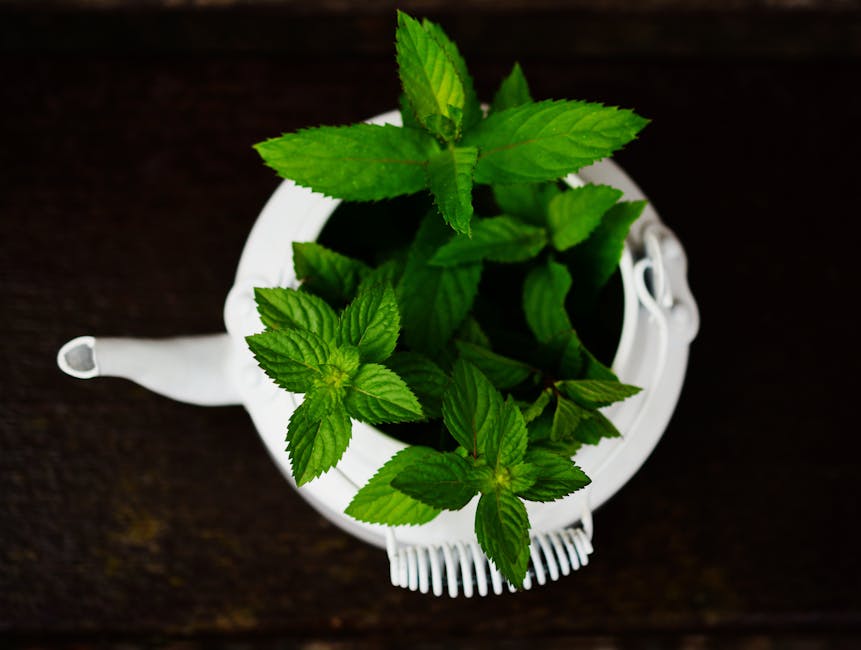
Elevate Your Cuisine: Cultivating a Thriving Home Herb Garden
Understand the joy of fresh flavors! Learn how to grow essential culinary herbs at home, from planting to harvesting, for vibrant dishes.