Grow Your Best Garden: Argentina's Essential Southern Hemisphere Planting Calendar
Unlock Argentina's unique planting seasons and master your garden with this comprehensive Southern Hemisphere planting calendar and expert tips.

Embarking on a gardening journey in Argentina offers a unique and rewarding experience, driven by its diverse climates and the distinct rhythm of the Southern Hemisphere seasons. Unlike our Northern counterparts, understanding when to sow, grow, and harvest requires a specialized approach, one that harmonizes with the local environment. This guide is crafted to empower horticulturists and home gardeners across Argentina, from the fertile Pampas to the arid west, ensuring your efforts yield a bountiful harvest and a flourishing landscape.
Unveiling Argentina’s Diverse Climate Zones
Argentina’s vast geography presents a tapestry of climate zones, each dictating its own optimal planting windows. Successful gardening begins with recognizing your specific microclimate. Broadly, we can categorize them into:
- Temperate (Central Argentina, incl. Buenos Aires): Characterized by four distinct seasons with warm summers and cool winters. This zone is highly productive for a wide range of vegetables and fruits.
- Subtropical (Northeastern Argentina): Hot, humid summers and mild, short winters. Ideal for tropical and sub-tropical crops, requiring careful management of humidity and potential pests.
- Arid/Semi-Arid (Western and Central-West Argentina): Significant temperature variations between day and night, with low rainfall. Irrigation is crucial, and drought-tolerant plants thrive here.
- Cold/Patagonian (Southern Argentina): Short, cool summers and long, cold winters with frosts. Focus shifts to cold-hardy varieties and extending the growing season with protection.
Understanding your region is the first step to creating a planting calendar that truly works. Local knowledge, often passed down through generations, is invaluable, as are resources from agricultural extension services like INTA, which provide region-specific guidance.
Seasonal Planting Guide: What to Sow When
Navigating the Southern Hemisphere’s reversed seasons is key. Here’s a general guide for the temperate zone, which can be adapted for other regions:
Spring (September - November): The Season of Renewal
Spring is a burst of life, marking the ideal time for most warm-season crops. As frost risks diminish, the soil warms, signaling go-time for direct sowing and transplanting. This is a crucial period for establishing your garden.
- Vegetables: Tomatoes, peppers, eggplants, corn, beans, squash, zucchini, cucumbers, potatoes, carrots, lettuce, radishes, spinach, swiss chard.
- Herbs: Basil, cilantro, parsley, dill, mint, oregano.
- Flowers: Sunflowers, marigolds, cosmos, zinnias, petunias, nasturtiums.
Summer (December - February): Abundance and Growth
With long, sunny days and warm temperatures, summer is a period of rapid growth and abundant harvests. Consistent watering and pest management become paramount.
- Vegetables: Continue planting heat-loving crops for successive harvests. Okra, sweet potatoes, melons, pumpkins. Ensure adequate water for established plants.
- Herbs: Continue planting heat-tolerant herbs.
- Flowers: Maintain summer annuals, enjoy vibrant blooms.
Autumn (March - May): Preparing for Cooler Days
As temperatures cool, autumn is perfect for planting cool-season crops that will mature before winter’s chill or overwinter. It’s also a time for soil enrichment and preparing beds for the next cycle.
- Vegetables: Broccoli, cauliflower, cabbage, Brussels sprouts, peas, broad beans, garlic, onions, leeks, carrots, spinach, lettuce, radishes.
- Herbs: Rosemary, thyme, sage, cilantro (for early autumn sowing).
- Flowers: Pansies, violas, calendula, sweet peas (for winter flowering).
Winter (June - August): Hardy Harvests and Planning
Winter brings colder temperatures and potential frosts, especially in central and southern regions. This is a time for hardy greens, root vegetables, and meticulous garden planning. Consider cold frames or cloches for protection.
- Vegetables: Garlic (late winter planting), leeks, winter lettuce varieties, spinach, kale, broad beans, peas (in milder areas), parsnips, turnips.
- Herbs: Hardy perennial herbs like rosemary, thyme, oregano.
- Flowers: Camellias, some cyclamen, winter-flowering heaths.
Quick Reference: Argentina’s Temperate Zone Planting Overview
| Season | Months | Key Activities | Example Crops (Vegetables) |
|---|---|---|---|
| Spring | Sep, Oct, Nov | Frost risk decreasing, soil warming, main sowing | Tomatoes, Peppers, Zucchini, Corn, Beans, Carrots, Lettuce |
| Summer | Dec, Jan, Feb | Peak growth, fruiting, consistent watering | Melons, Pumpkins, Okra, Sweet Potatoes, Successive Bush Beans |
| Autumn | Mar, Apr, May | Cooling temperatures, planting cool-season crops | Broccoli, Cabbage, Peas, Garlic, Onions, Spinach, Radishes |
| Winter | Jun, Jul, Aug | Frost protection, hardy crops, garden planning | Leeks, Kale, Broad Beans, Winter Lettuce, Parsnips |
Cultivating Success: Practical Tips for Thriving Gardens
Beyond knowing when to plant, how you plant and care for your garden profoundly impacts its success. These actionable tips are universal yet critical for the Argentine context:
- Soil Health is Paramount: Invest in your soil. Regular additions of compost and well-rotted manure improve structure, fertility, and water retention. Conduct soil tests to understand its composition and nutrient deficiencies. Healthy soil is the foundation of a resilient garden.
- Water Wisely: Argentina, like many regions, faces water challenges. Implement efficient irrigation methods like drip systems. Practice mulching with organic materials (straw, wood chips, leaves) to conserve soil moisture, suppress weeds, and regulate soil temperature. Water early in the morning to reduce evaporation.
- Embrace Companion Planting: Strategically placing certain plants together can deter pests, attract beneficial insects, and improve growth. For example, marigolds can deter nematodes, and basil planted near tomatoes is said to enhance flavor and repel flies.
- Practice Crop Rotation: To maintain soil fertility and prevent the build-up of pests and diseases, avoid planting the same crop in the same spot year after year. Rotate plant families (e.g., legumes, brassicas, solanaceae) to break disease cycles and balance nutrient uptake.
- Start from Seed: Many gardeners find immense satisfaction and cost savings by starting seeds indoors, especially for plants requiring a longer growing season or protection from early frosts. This allows for greater control over plant varieties and timing.
- Adapt to Microclimates: Even within a small garden, microclimates exist. Observe sunny spots, shady corners, and areas protected from wind. Utilize these to your advantage, placing plants where they will thrive best.
Conclusion: Your Garden, Your Seasons
Gardening in Argentina is a journey of discovery and adaptation. By understanding the unique rhythm of the Southern Hemisphere seasons, the nuances of your local climate, and implementing sound horticultural practices, you can transform your outdoor space into a vibrant, productive oasis. This calendar serves as a living guide, encouraging you to observe, experiment, and connect with the natural world around you. Embrace the challenges, celebrate the successes, and enjoy the profound satisfaction of growing your own food and beauty, attuned to the very pulse of the land.
Related Articles

Greenhouse Design, Environmental Management, and Cultivation for Food Self-Sufficiency
Optimize your garden with greenhouses: structural planning, thermohydric control, efficient irrigation, and crop management for sustainable cultivation.

Squash Cultivation: From Soil Preparation to Harvest and Storage
A comprehensive guide to successfully growing squash, covering soil prep, planting, care, harvesting, and storage.
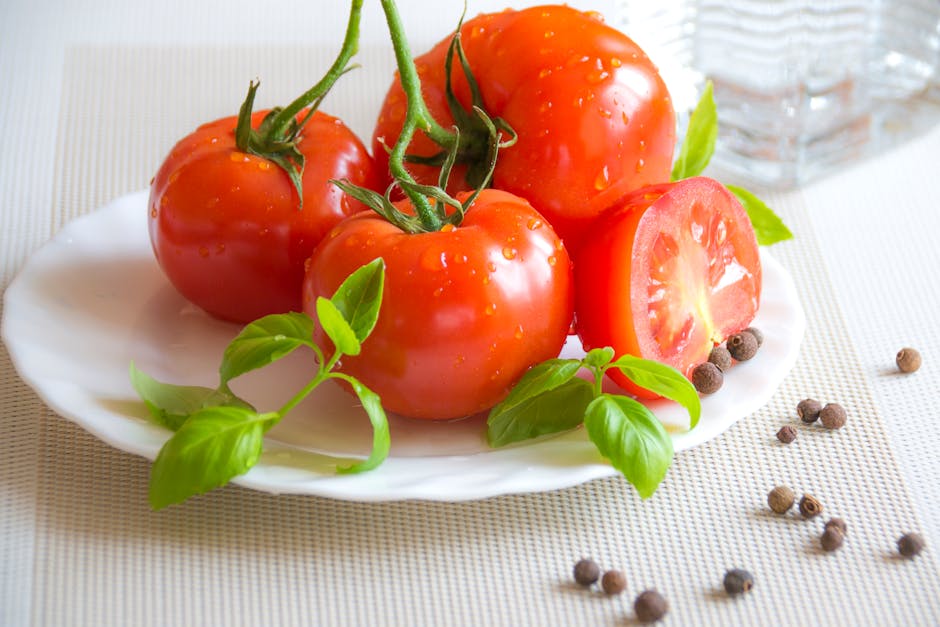
Unlocking Bumper Harvests: Your Essential Guide to Thriving Homegrown Tomatoes
Master the art of cultivating luscious tomatoes with this comprehensive guide, covering everything from soil to harvest for a bountiful yield.

Unlock Your Garden's Potential: The Art of Companion Planting for Thriving Harvests
Understand the power of companion planting to enhance plant growth, deter pests, and maximize yields in your garden with proven pairings and expert tips.