Elevate Your Cuisine: Cultivating a Thriving Home Herb Garden
Understand the joy of fresh flavors! Learn how to grow essential culinary herbs at home, from planting to harvesting, for vibrant dishes.
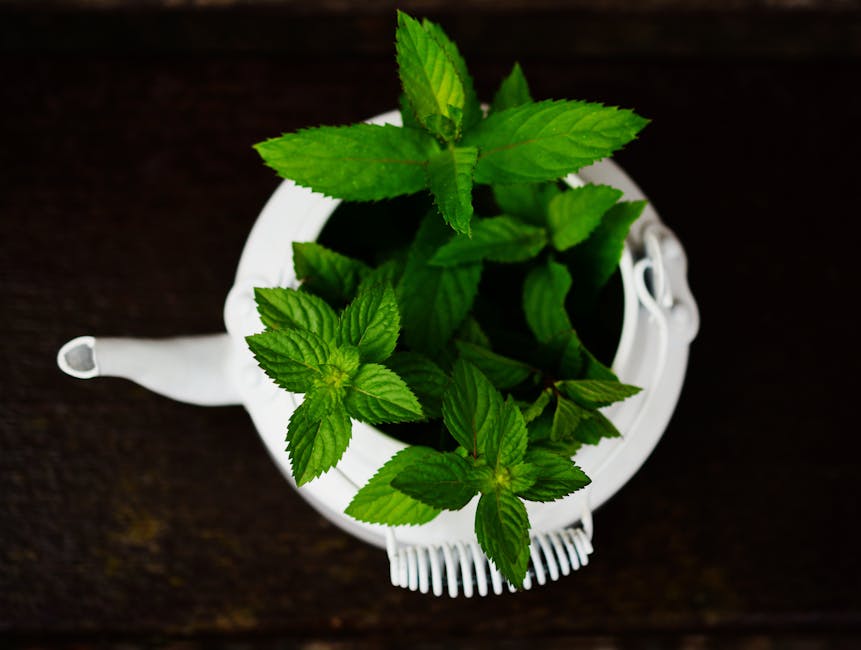
Imagine stepping into your kitchen, reaching for a pot, and snipping fresh, aromatic herbs to infuse your dishes with unparalleled flavor. This isn’t just a chef’s dream; it’s an accessible reality for every home gardener. Growing your own culinary herbs transforms everyday cooking into an art form, offering not only superior taste but also a rewarding connection to your food source. From the vibrant zest of cilantro to the earthy warmth of rosemary, home-grown herbs are a game-changer for any kitchen.
Choosing Your Culinary Companions
The first step to a successful herb garden is selecting the right plants. Consider your culinary preferences, local climate, and available space. Many popular herbs thrive in a variety of conditions, making them ideal for both novice and experienced gardeners. For those in regions with ample sunshine and mild winters, like many parts of South America, the growing season can be wonderfully extended.
Here are some indispensable herbs to consider for your kitchen:
- Basil (Ocimum basilicum): A warm-weather annual, perfect for pesto, salads, and Italian dishes. Requires plenty of sun and consistent moisture. Varieties like ‘Genovese’ are classic, while ‘Lemon Basil’ offers a citrusy twist.
- Rosemary (Rosmarinus officinalis): A woody perennial with a distinctive piney aroma. Excellent with roasted meats, potatoes, and bread. Thrives in full sun and well-drained soil, tolerating drier conditions once established. Suitable for container growing or as a fragrant hedge.
- Thyme (Thymus vulgaris): A low-growing perennial with tiny, aromatic leaves. Versatile in stews, poultry, and vegetable dishes. Prefers full sun and sandy, well-drained soil. Many varieties exist, including ‘Lemon Thyme’ and ‘Creeping Thyme’.
- Mint (Mentha spp.): A vigorous perennial known for its refreshing scent. Be cautious, as mint can be invasive; it’s often best grown in pots. Great for teas, desserts, and savory dishes like lamb. Peppermint and Spearmint are popular choices.
- Parsley (Petroselinum crispum): A biennial often grown as an annual, available in flat-leaf (Italian) and curly varieties. Essential for garnishes, sauces, and fresh salads. Prefers partial to full sun and moist, rich soil.
- Oregano (Origanum vulgare): A robust perennial, a staple in Mediterranean and Latin American cuisine. Thrives in full sun and well-drained soil, tolerating some neglect. Its strong flavor intensifies when dried.
- Cilantro (Coriandrum sativum): An annual prized for its fresh, pungent leaves, crucial for salsas, curries, and many Latin American dishes. Prefers cooler weather and tends to bolt (go to seed) in heat. Plant in succession for a continuous harvest.
For more detailed information on specific herb varieties and their needs, resources like the Royal Horticultural Society offer comprehensive guides: https://www.rhs.org.uk/advice/grow-your-own/herbs
From Seed to Savor: Planting and Care Essentials
Starting your herb garden can be done from seeds, small plants (seedlings), or cuttings. Each method has its advantages. Seeds offer a wider variety, while seedlings provide a head start. Cuttings are excellent for propagating existing plants.
Soil and Location
Most herbs prefer well-draining soil with a neutral pH. If planting in the ground, amend heavy clay soils with organic matter like compost to improve drainage and fertility. For container gardening, use a high-quality potting mix. Ensure your chosen location receives adequate sunlight – typically 6-8 hours of direct sun per day for most herbs, although some, like parsley and cilantro, appreciate a little afternoon shade in hotter climates.
Watering and Feeding
Consistent watering is key, especially for herbs in containers, but avoid overwatering, which can lead to root rot. Check the soil moisture by sticking your finger about an inch deep; water if it feels dry. While herbs generally don’t require heavy feeding, a light application of balanced organic fertilizer or a top-dressing of compost once or twice during the growing season can be beneficial. Mulching around your in-ground herbs can help retain soil moisture and suppress weeds.
Pest and Disease Management
Healthy plants are less susceptible to pests. Practice good garden hygiene, ensure proper air circulation, and inspect your plants regularly. Common pests like aphids can often be dislodged with a strong spray of water or treated with insecticidal soap. For fungal issues, ensure good spacing and avoid overhead watering. Embrace beneficial insects like ladybugs, which are natural predators to many garden pests.
For troubleshooting plant problems, the Missouri Botanical Garden provides excellent resources: https://www.missouribotanicalgarden.org/gardens-gardening/your-garden/help-for-the-home-gardener/advice-tips-resources/pests-and-problems/plant-problems/growing-problems/growing-herbs.aspx
Harvesting for Peak Flavor and Longevity
Harvesting your herbs correctly not only provides you with fresh ingredients but also encourages the plant to produce more foliage, ensuring a continuous supply. The best time to harvest most herbs is in the morning after the dew has dried, when their essential oils are most concentrated.
- Pinch or Snip: For herbs like basil and mint, pinch off the top sets of leaves or snip stems just above a node (where leaves emerge). This encourages bushier growth and prevents the plant from flowering prematurely.
- Cut Stems: For woody herbs like rosemary and thyme, cut whole stems, taking care not to remove more than one-third of the plant at a time. This allows the plant to recover and produce new growth.
- Continuous Harvest: For annuals like cilantro and parsley, harvest outer leaves first, allowing the inner leaves to continue growing. For cilantro, if the weather turns hot, it will likely bolt; at this point, you can harvest the seeds (coriander) instead.
Storage Methods
- Fresh: Store freshly cut herbs like a bouquet of flowers in a glass of water on your counter or in the refrigerator, covered loosely with a plastic bag. Change the water daily.
- Drying: For herbs like oregano, thyme, and rosemary, tie small bundles and hang them upside down in a cool, dry, dark place until brittle. Once dry, crumble and store in airtight containers.
- Freezing: Chop tender herbs like basil, parsley, and cilantro, mix with a little olive oil or water, and freeze in ice cube trays. Once frozen, transfer the cubes to freezer bags for easy, pre-portioned use.
Beyond the Pot: Creative Uses and Garden Inspiration
Your herb garden offers more than just culinary delights. Many herbs are beautiful and can be integrated into your landscape design. Rosemary can form fragrant borders, while various mints can be ground covers (in contained areas). Consider companion planting, where certain herbs can deter pests or attract beneficial insects to other plants in your garden. For example, basil can protect tomatoes from hornworms.
Embrace the versatility of your harvest. Infuse olive oils with rosemary or thyme for gourmet cooking. Create refreshing herbal teas with mint or lemon verbena. Experiment with making your own spice blends or herbal vinegars. In regions like Argentina, fresh oregano and parsley are indispensable for creating authentic chimichurri, elevating grilled meats to new heights. Your home herb garden is a living pantry, constantly inspiring new culinary adventures.
Conclusion
Embarking on the journey of growing your own culinary herbs is an incredibly rewarding experience. It’s a simple yet profound way to enhance your cooking, connect with nature, and embrace a more sustainable lifestyle. From the careful selection of your plants to the joyful act of harvesting, each step brings you closer to a garden that truly feeds your soul and your palate. So, whether you have a sprawling garden plot or just a sunny windowsill, start small, experiment, and savor the fresh, vibrant flavors that only home-grown herbs can provide. Your kitchen, and your taste buds, will thank you.
Related Articles
Fungal Pathogens in Plants: Identification and Management Strategies
Master effective strategies for identifying and managing common fungal pathogens to maintain robust plant health in your garden and horticulture endeavors.

Grow Your Own Green Gold: Mastering Yerba Mate Cultivation at Home
Learn how to cultivate Yerba Mate, the iconic South American herb, in your own garden with expert tips and actionable advice.

Cultivate Garden Gold: The Essential Guide to Homemade Composting Success
Learn how to effortlessly transform kitchen scraps and garden waste into nutrient-rich compost, enriching your soil and boosting plant health sustainably.

Pleurotus ostreatus: Mycology, Substrate Colonization, and Fruiting Body Induction in Domestic Settings
Understand the scientific principles and practical techniques for successful oyster mushroom cultivation in a home environment.