Unlocking Bumper Harvests: Your Essential Guide to Thriving Homegrown Tomatoes
Master the art of cultivating luscious tomatoes with this comprehensive guide, covering everything from soil to harvest for a bountiful yield.
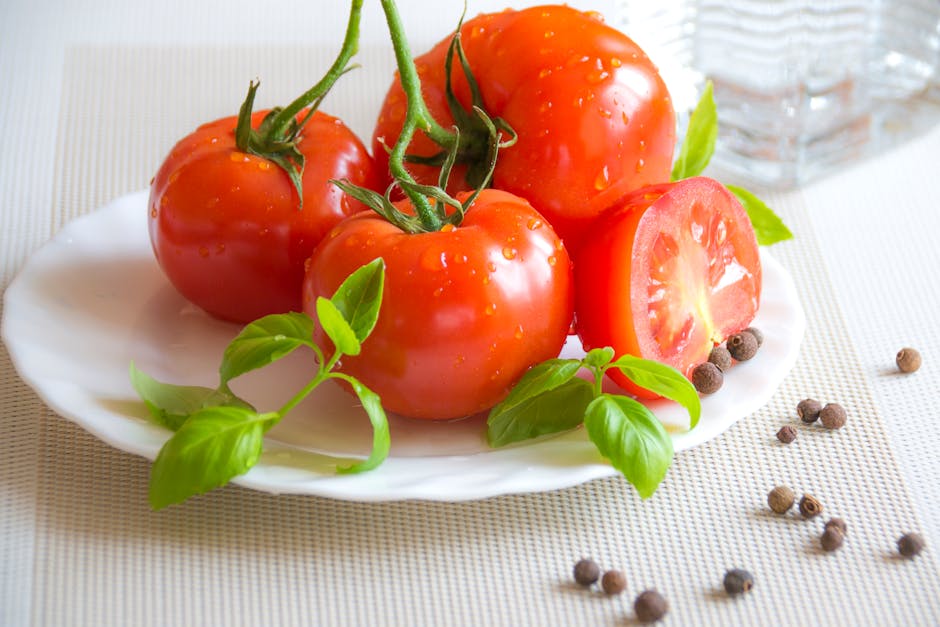
Imagine the unparalleled satisfaction of slicing into a perfectly ripe, sun-warmed tomato, fresh from your own garden. It’s a culinary delight and a testament to the gardener’s craft. Tomatoes, scientifically known as Solanum lycopersicum, are among the most rewarding vegetables to grow, offering a spectrum of flavors, colors, and textures that far surpass store-bought varieties. This guide will equip you with the knowledge and actionable steps to transform your patch into a prolific tomato haven, ensuring a season filled with vibrant, delicious harvests.
Laying the Foundation: Site Selection and Superior Soil
The journey to exceptional tomatoes begins long before planting. Selecting the right location and preparing your soil are critical first steps. Tomatoes are sun-worshippers, demanding at least 6-8 hours of direct sunlight daily. Choose a spot that receives ample morning sun, which helps dry dew from leaves, reducing fungal disease risk. Good air circulation is also vital.
Soil quality is paramount. Tomatoes thrive in well-draining, fertile, slightly acidic to neutral soil (pH 6.0-6.8). Heavy clay soils can be amended with plenty of organic matter, such as compost or well-rotted manure, to improve drainage and aeration. Sandy soils benefit from organic matter to enhance water retention and nutrient availability. Incorporating a balanced organic fertilizer or a slow-release granular option into the top 12-18 inches of soil a few weeks before planting will provide a strong start.
Actionable Tip: Consider a soil test if you’re unsure about your soil’s composition or pH. Many local agricultural extension offices offer this service, providing tailored recommendations for amendments. For those in regions with intense sun, partial afternoon shade can be beneficial to prevent sunscald on fruits during the hottest months.
Planting for Success: From Seedling to Sturdy Plant
Whether you start from seed or purchase seedlings, proper planting techniques are key. If growing from seed, start them indoors 6-8 weeks before your last anticipated frost date. Harden off seedlings gradually over a week before transplanting them outdoors.
When transplanting, plant tomato seedlings deeply. Remove the lower leaves and bury up to two-thirds of the stem. Tomatoes are unique in their ability to grow roots from their buried stems, leading to a stronger, more resilient plant. Space plants adequately – typically 2-3 feet apart for determinate varieties and 3-4 feet for indeterminate types – to ensure good air circulation and light penetration, which are crucial for disease prevention and fruit development.
Staking and Support: All tomato plants benefit from some form of support. Options include sturdy stakes, cages, or trellises. Indeterminate varieties, which continue to grow and produce fruit throughout the season, absolutely require robust support to prevent sprawling and fruit damage. Install supports at planting time to avoid disturbing the root system later.
- Staking: Individual stakes (wood or metal) for each plant, tying the main stem as it grows.
- Caging: Wire cages that surround the plant, allowing branches to grow through.
- Trellising: Using a string or wire system to guide vertical growth, often preferred for larger indeterminate varieties.
Nurturing Abundance: Watering, Feeding, and Pest Management
Consistent care is the backbone of a prolific tomato harvest.
Watering: Tomatoes need consistent moisture, especially during flowering and fruiting. Aim for deep, infrequent watering rather than shallow, frequent sprinkles. Water at the base of the plant to keep foliage dry, which helps prevent fungal diseases. During dry spells, provide 1-1.5 inches of water per week, adjusting for rainfall. Irregular watering can lead to issues like blossom end rot, a common physiological disorder.
Feeding: Once plants begin to set fruit, they benefit from a balanced fertilizer with slightly higher potassium. Organic options like fish emulsion, compost tea, or granular fertilizers specifically formulated for tomatoes can be applied every 2-4 weeks. Avoid excessive nitrogen, which promotes leafy growth at the expense of fruit production.
Pruning and Mulching:
- Pruning: For indeterminate varieties, ‘suckers’ (small shoots that emerge in the crotch between the main stem and a leaf branch) can be pinched off to direct energy into fruit production and improve air circulation. Determinate varieties generally require less pruning. Mulching around the base of plants with straw, shredded leaves, or wood chips helps retain soil moisture, suppress weeds, and regulate soil temperature. This practice also prevents soil-borne diseases from splashing onto lower leaves during watering or rain.
Pest and Disease Management: Vigilance is your best tool. Regularly inspect plants for common pests like aphids, hornworms, and whiteflies. Hand-picking larger pests, using insecticidal soap for smaller ones, or introducing beneficial insects can be effective. For diseases like early blight or powdery mildew, good air circulation, proper spacing, and resistant varieties are preventative measures. Remove and destroy affected leaves immediately.
The Sweet Reward: Harvesting and Enjoying Your Bounty
Harvesting your tomatoes at the peak of ripeness ensures the best flavor. Most tomatoes are ready when they achieve their full color (red, yellow, orange, etc.) and feel slightly soft when gently squeezed. Pick them carefully, twisting the fruit until it separates from the stem, or using pruners to snip the stem just above the fruit.
Harvesting Tip: For an extended harvest, pick ripe tomatoes regularly. This signals the plant to produce more. If frost threatens, pick any mature green tomatoes; they can ripen indoors at room temperature, ideally in a single layer away from direct sunlight.
Store ripe tomatoes at room temperature, away from direct sunlight. Refrigeration can diminish their flavor and texture. For an abundant harvest, consider preserving your tomatoes through canning, freezing, or making sauces and pastes to enjoy their fresh taste year-round.
Conclusion: Your Garden’s Legacy of Flavor
Cultivating tomatoes is a journey of patience, observation, and immense reward. By focusing on healthy soil, providing consistent care, and employing strategic growing techniques, you can overcome common challenges and unlock the full potential of these incredible plants. Each juicy bite of a homegrown tomato is a testament to your dedication and the simple magic of gardening. Embrace the process, learn from each season, and savor the unparalleled flavor that only your own garden can provide. Happy growing!
Related Articles

Sweet Success: Cultivating Luscious Strawberries on Your Balcony
Transform your urban space into a productive edible garden by learning how to grow abundant, delicious strawberries right on your balcony.

Urban Oasis: Cultivate Delicious Strawberries Right on Your Balcony!
Learn how to transform your urban balcony into a thriving strawberry patch, yielding fresh, delicious fruit with practical tips and expert advice.
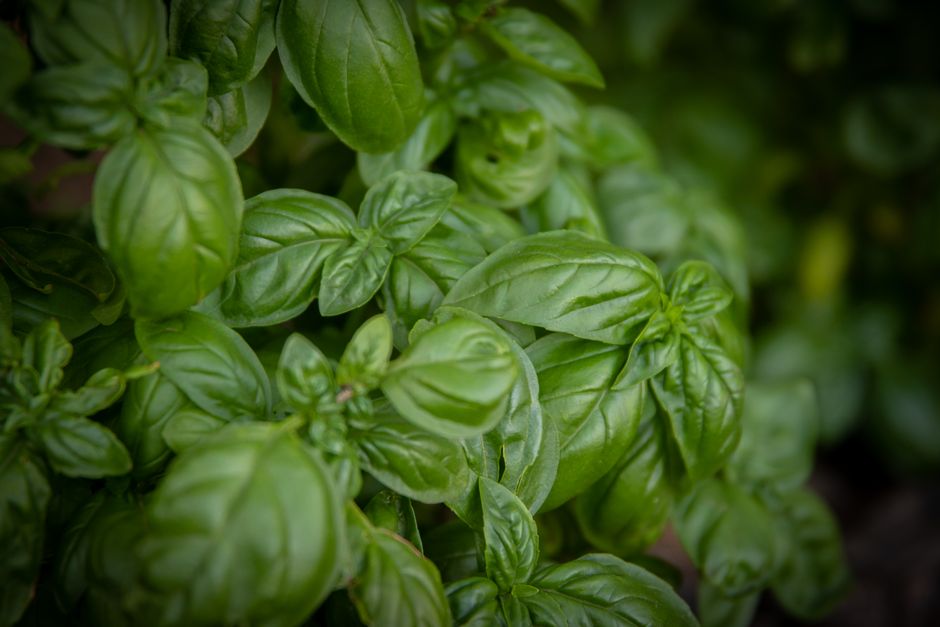
Elevate Your Culinary Creations: Growing Aromatic Herbs for Unmatched Flavor
Transform your cooking with fresh, homegrown aromatic herbs. Discover essential tips for cultivating a thriving herb garden, from planting to harvesting.