Complete Guide to Urban Gardening for Beginners
Learn how to create your own urban garden from scratch with practical tips and sustainable techniques adapted to the South American climate.

Complete Guide to Urban Gardening for Beginners
Urban gardening has become an increasingly popular practice in South American cities. Whether you live in a small apartment or have a large terrace, there are always creative ways to grow your own plants and food.
Why Choose Urban Gardening?
Urban gardening offers many benefits:
- Access to fresh food: Grow your own herbs and vegetables
- Connection with nature: Reduce stress and improve mental well-being
- Sustainability: Reduce your carbon footprint and help the environment
- Financial savings: Spend less on vegetables and herbs
First Steps for Your Urban Garden
1. First Steps for Your Urban Garden
First Steps for Your Urban Garden
- Small balconies: Ideal for vertical gardens and hanging pots
- Large terraces: Perfect for container gardens or raised beds
- Windows with good light: Excellent for growing herbs in small planters
2. Choose the Right Plants
For beginners in the South American climate, we recommend starting with:
Aromatic herbs:
- Basil
- Parsley
- Cilantro
- Rosemary
- Thyme
Easy vegetables:
- Lettuce
- Chicory
- Cherry tomatoes
- Peppers
3. Consider the Climate and Season
In South America, the seasons are opposite to the northern hemisphere. Plan your planting schedule accordingly:
- Spring (September–December): Ideal for planting most vegetables
- Summer (December–March): Growing and harvesting season
- Autumn (March–June): Perfect for aromatic herbs
- Winter (June–September): Time for planning and preparation
Sustainable Techniques for Your Garden
Homemade Composting
Turn your organic waste into nutritious fertilizer:
- Separate fruit and vegetable scraps
- Add dry material such as leaves
- Maintain proper moisture
- Stir regularly
Efficient Watering
- Use homemade drip irrigation systems
- Collect rainwater whenever possible
- Water early in the morning
Natural Pest Control
- Companion plants that repel insects
- Homemade garlic and onion sprays
- Maintain biodiversity in your garden
Common Mistakes to Avoid
- Overwatering: One of the main causes of plant death
- Poor drainage: Make sure your pots have drainage holes
- Wrong location: Understand the light needs of each plant
- Overcrowding: Respect the space each plant needs to grow
Basic Tools to Get Started
You do not need to spend a lot of money. These basic tools are enough to begin:
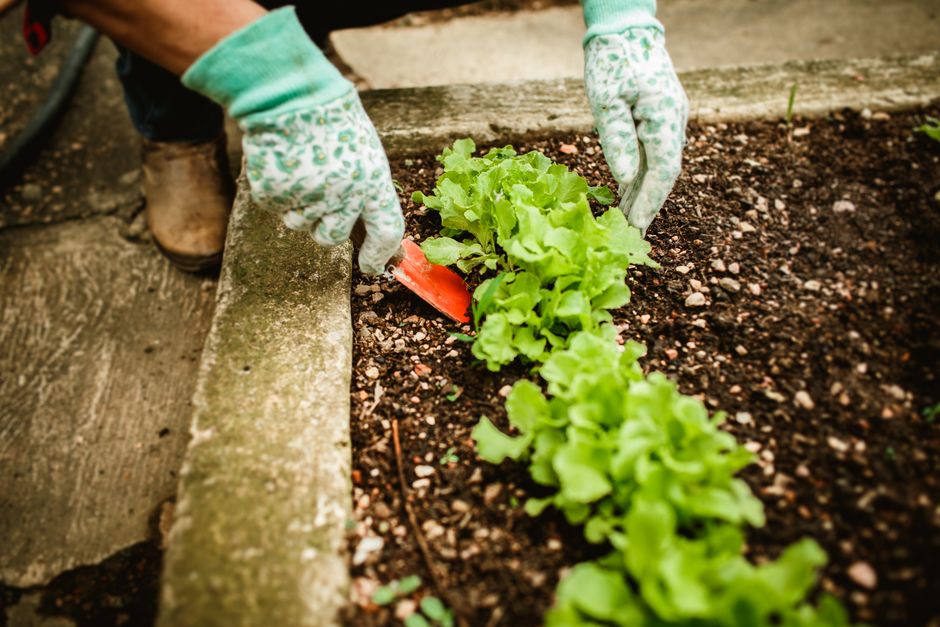
- Small shovel or transplanting tool
- Watering can with a fine spout
- Pruning scissors
- Gardening gloves
- Pots in different sizes
Seasonal Maintenance
Spring
- Prepare the soil
- Sow seeds
- Transplant seedlings
Summer
- Water consistently
- Harvest regularly
- Control pests
Autumn
- Plant winter crops
- Prepare compost
- General cleanup
Winter
- Protect plants from frost
- Plan the next season
- Maintain gardening tools
Conclusion
Urban gardening is a rewarding activity that can transform your relationship with food and nature. Getting started is easier than you think, and the benefits for your health and the environment are enormous.
Remember that every garden is unique, and experimenting is part of the learning process. Do not get discouraged if some plants do not thrive at first; gardening is an art that improves with practice.
Start your urban gardening journey today and discover the joy of growing your own food!
Related Articles
Your Guide to Starting a Home Vegetable Garden
Cultivate a thriving garden by mastering site selection, soil amendment, crop choice, and irrigation techniques for optimal yield and plant health.

Your Potted Garden: Steps to Get Started
Cultivating a container garden involves strategic site selection, appropriate substrate formulation, and informed crop selection for robust plant development.

Growing Arugula at Home: Simple Steps for Fresh Greens
Sow seeds, choose a sunny spot, use light soil, and water moderately to harvest fresh arugula in pots or planters. Manage pests.